



By Eleanor Thorne
There is a moment just before dawn when the world holds its breath—when mist still clings to the fields like silver thread, where birdsong has not yet drowned out silence, and the air tastes of wet earth and something older. It is in this liminal space that folk witchcraft makes its home. Not in grand halls or ornate temples, but in the soil beneath our feet, the wind through hedgerows, and the stories passed from grandmother to granddaughter along hearth-fires and kitchen tables.
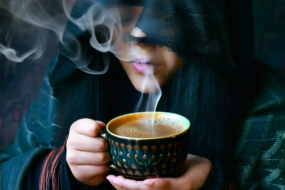
Folk witchcraft—often called “witchcraft of the people”—is the craft that lives not in dusty books or scholarly treatises, but in daily life: the way a grandmother brews a cup of yarrow tea for protection, the way children learn which herbs grow where by the path, the way housewives hang bundles of dried sage and rosemary above doorways. It is witchcraft unpretentious, practical, deeply embedded in the rhythms of ordinary seasons and extraordinary moments alike.
The Living Tradition
What distinguishes folk witchcraft from other forms of magical practice is its intimate relationship with locality and lineage. Every region has its own stories, its own herbs, its own customs—the Cornish tinners had their peculiar practices for mine spirits; the Appalachian mountaineers preserved ancient Celtic elements alongside African and Native American influences; the Norse fjords carried runic traditions into daily farming life. These are not mere curiosities preserved in museums but living, breathing expressions of craft that continue to evolve while maintaining contact with sources far older than memory.
The folk witch is often a person who knows their land intimately—the gardener who can tell by smell which soil is richest; the fisherfolk who read weather patterns in cloud formations and bird behavior; the shepherdess whose songs call in wandering sheep. They may never have attended a coven or studied with a master, yet they practice witchcraft as naturally as breathing.
Tools of the Everyday Witch
In folk tradition, tools are rarely elaborate. The witch’s main implements tend to be things found around the house—kitchen utensils, garden implements, simple fabrics—rather than specially consecrated items from specialized shops. A wooden spoon might serve as a wand; a simple braided cord becomes an altar rope; a small pouch of herbs carried in the pocket serves as protection amulet throughout the day.
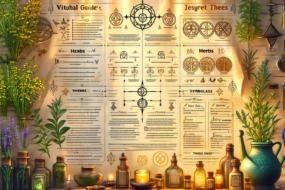
Herb work forms the backbone of folk practice. Every household garden or windowsill provides the witch with their primary arsenal: lavender for sleep and cleansing, mugwort for dreams and divination, rue for protection against maleficence, basil for love and prosperity. The folk witch knows which herbs grow where in their local environment, when to harvest them (always by the light of the moon), and how to combine them for specific purposes.
Seasonal Rhythms and Daily Rituals
The wheel of the year turns through eight major festivals in many Western traditions—the cross-quarter days like Imbolc, Beltane, Lammas, and Samhain forming the pillars upon which folk witchcraft rests. Each festival marks a particular moment when thresholds between worlds grow thin, when special foods are prepared, specific herbs are gathered, certain rituals enacted to honor whatever spirits or forces seem most active at that time.
But beyond festivals lies daily ritual—the morning prayer whispered while brewing tea; the evening blessing of the hearth fire; the simple act of leaving offerings on windowsills during particular months; the habit of writing intentions into wax and placing them under floorboards. These are not grand spectacles but quiet, persistent acts of will that shape one’s life according to ancient patterns.
The Witch as Healer and Keeper of Stories
Throughout history, folk witches have served as healers—midwives who helped women through childbirth, herbalists whose poultices saved lives where medicine failed, wise-women whose words could calm fevered minds or soothe troubled children. They preserved stories about the old gods, about fairies and spirits, about ancestors and land-spirits, passing these along orally as well as through practical remedies that contained embedded magical knowledge.
This tradition continues today. The folk witch does not need to invent new theories or construct elaborate cosmologies—they need only look around them with eyes trained by generations of witches before them—and see clearly what is there. They recognize the signs: which plants are useful, where spirits dwell (in old trees, in springs, at crossroads), how to read weather and seasons accurately, when times are propitious for action.
Modern Folk Witchcraft
What makes folk witchcraft particularly compelling today is its accessibility. Unlike some forms of magic that require extensive training or expensive equipment, folk witchcraft can begin with a single herb garden on a windowsill. It asks only willingness to pay attention—to notice what’s growing nearby, to learn one’s local customs and stories, to take time each day for small acts of awareness and intention.
Many modern practitioners find themselves returning to these old ways not as mere nostalgia but as genuine spiritual practice—finding deep meaning in simple actions: lighting candles at solstices, planting seeds while reciting the names of those who planted before them, gathering herbs with gratitude, sharing stories around fires both literal and metaphorical.
Conclusion
The whispers of folk witchcraft continue—to those who listen closely enough, they can be heard in wind through hedgerows, in tea brewed with care, in hands that know how to work the earth. This is not a craft for specialists alone; it belongs to anyone willing to learn and practice. It speaks of simplicity, continuity, and deep connection—with land, with seasons, with ancestors and future generations who will one day speak your name while sharing stories around hearth-fires you might never see.
And so the old ways live on—not as relics preserved in books or museums but as living traditions, breathing, growing, changing even as they remain true to their roots. The folk witch’s path is neither mysterious nor exotic—it simply requires willingness to be present and attentive, willing to learn from what surrounds us daily, willing to honor the stories that have kept people alive through countless generations of darkness and harvest alike.
The old ways whisper still. Will you listen?














No Comments