



By Dr. Alistair Thornhaven, Keeper of the Silent Archive
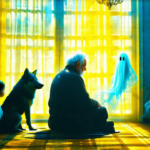
There is a profound difference between burial and true death. When we lay our loved ones in earth or fire, we assume they are at rest—but what if this assumption is merely convenient fiction? For centuries, necromancers have maintained that consciousness persists beyond the body’s decay, that the dead possess knowledge inaccessible to the living: memories unburdened by flesh, perspectives granted by the removal of pain and desire. This article examines why conversing with the departed remains both forbidden and essential.
The ancients understood something we have forgotten: that death is not an event but a transition. When Aristotle wrote on dreams as divine messages, he was perhaps describing early necromantic practice. The Greeks called these oneiroi—dream spirits sent from beyond—and their rituals involved speaking with the dead through carefully constructed altars and sacrifices. The Romans followed suit with the lemures, restless spirits who required appeisement through precise rites conducted in complete darkness, when no other soul could overhear the conversation.
What makes conversing with the dead forbidden? Consider the reasons. First, there is the matter of temporal disruption: the living exist in motion and purpose; the dead exist in stillness and reflection. When these two states meet, something must yield—and frequently, it is the living who suffer for their curiosity. Second, there exists a delicate balance between realms that ritual practitioners have long guarded against: when too many voices from beyond speak simultaneously through mediums or vessels, confusion multiplies into madness.
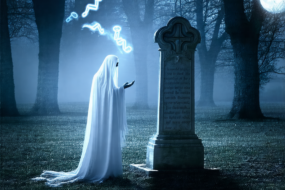
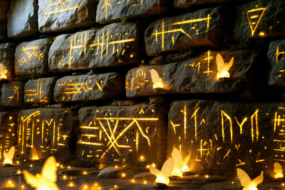
The most accomplished necromancers do not merely communicate with one dead soul at a time—they cultivate relationships across generations. Master Necromancer Valeria of Prague maintained correspondence with her grandfather throughout his decades in the grave, receiving guidance during major decisions while preserving his memory against the slow erosion that eventually claims even distinguished dead. Her method involved maintaining an active dialogue through specific stones laid at burial sites, reading impressions formed over time as the stones absorbed both weathering and conversation.
Modern practitioners often overlook this conversational aspect of necromancy in favor of more dramatic displays: summoning spirits for power or possession. Yet there is profound wisdom in simple listening rather than demanding answers from beyond. The dead have had centuries to consider questions that might have overwhelmed us; their perspectives are wider, deeper, occasionally strange in ways we should accept.
Consider also the possibility of learning things from our departed that would otherwise remain unknown: what they truly thought during life, what they noticed but failed to mention, what wisdom accumulated without effort or intention. Many a great discovery has come from a simple question posed at an open grave on a quiet evening.
The practice remains largely forbidden not because it is dangerous—though it certainly can be—but because it requires something more than most are willing to offer: patience, respect for the dead as separate beings with their own lives to live even after death, and willingness to accept that our beloved ones have become different since passing. They remember us, but they no longer belong entirely to us.
As we continue to explore these boundaries between life and death, perhaps we will rediscover why conversing with those who have passed was once considered a sacred practice—and why it deserves to be again.















No Comments