


By Alaric Mortemayne, Grand Necromancer of the Whispering Academy
The dead do not sleep in silence—they speak. We merely forget how to listen.
I have spent forty years studying the art of necromancy and its many offshoots, from the crude grave-warding rituals of ancient Mesopotamia to the sophisticated spirit-binding techniques found in medieval grimoires and beyond. What I have observed is this: human civilization has always been built upon a foundation of dead wisdom, yet we rarely acknowledge it. The ancients knew better. They built their cities near burial grounds not out of ignorance or superstition, but because they understood that the boundary between the living and the dead was thinner than any wall, and far more permeable than most would care to admit.
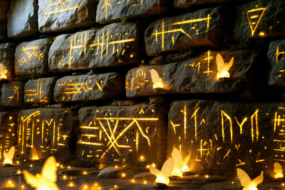
Consider how many cultures independently developed necromantic traditions. The Greeks consulted the nekromanteia, where shamans descended into caverns to commune with ancestral spirits through divination rites. The Chinese employed wuxing practitioners who could channel the qi of deceased ancestors, preserving their guidance across generations. The Norse practiced rune-binding upon the dead, creating talismins that carried their essence forward. And these were not isolated developments—this parallel emergence suggests something profound about how necromancy functions as a fundamental mode of communication between life and death.
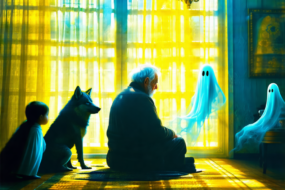
The Dead Have Been Trying to Tell Us Something for Centuries. They have been telling us through dreams. Through the sudden chill in summer air when no wind exists. Through the whispers we dismiss as wind, but which are actually voices from beyond. Through the patterns that appear in the smoke of funeral pyres and the ripples on still water before graves. The dead have been speaking continuously, and we have been developing an increasingly sophisticated ability to ignore them.
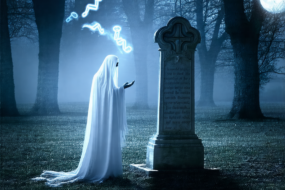
I believe this is because necromancy was never merely about raising corpses or binding spirits—it was always about communication. True necromancers do not command the dead; they listen to them. They develop a sensitivity to subtle changes in the atmosphere around burial grounds, to the faint signatures left behind by departed souls. When you learn to read these signatures properly, as I have learned through decades of practice and careful study, you begin to hear them: the dead offering their wisdom, their warnings, their unfulfilled business.
Let us examine some historical examples that demonstrate this principle clearly. The famous necromancers of medieval Europe did not merely raise the dead for power or knowledge—they raised them because they needed counsel. Nostradamus consulted his deceased teachers; Paracelsus bound spirits to serve as assistants in his alchemical work; even Shakespeare’s Hamlet encounters a ghost that offers direction and revelation. But these are only the most visible manifestations of necromancy as a communicative practice—there exists far more beneath the surface.
The Dead Have Been Trying to Tell Us Something for Centuries, and what they have to say is not always pleasant. Many necromancers report visions during their practices: glimpses of future events that occur within the dead’s remaining perspective on time; sensory memories that seem impossible until verified by later events; emotional impressions from the departed that guide living decisions with uncanny accuracy. These are not mere coincidences but rather evidence of a real, ongoing dialogue between the worlds of the living and the dead.
What makes this so remarkable is how much we have forgotten over time. As societies grew more materialistic and skeptical, necromancy was pushed to the margins—dismissed as superstition, relegated to occult texts and late-night television programs featuring ghost hunters with EMF meters. But the practice has endured because it works. The dead do speak. They offer guidance that is often practical and immediate: warnings about forthcoming danger, suggestions for resolving disputes, advice on matters of marriage, business, and health.
I find myself increasingly convinced that we are entering a period where necromancy will become not merely respectable but essential once again. The modern world presents us with unprecedented challenges—environmental shifts, social upheaval, technological changes so rapid they seem to break the very fabric of daily life—and these ancient practices offer perspectives that modern science is only beginning to rediscover.
The Dead Have Been Trying to Tell Us Something for Centuries. Perhaps now, at last, we are learning how to listen.












No Comments