


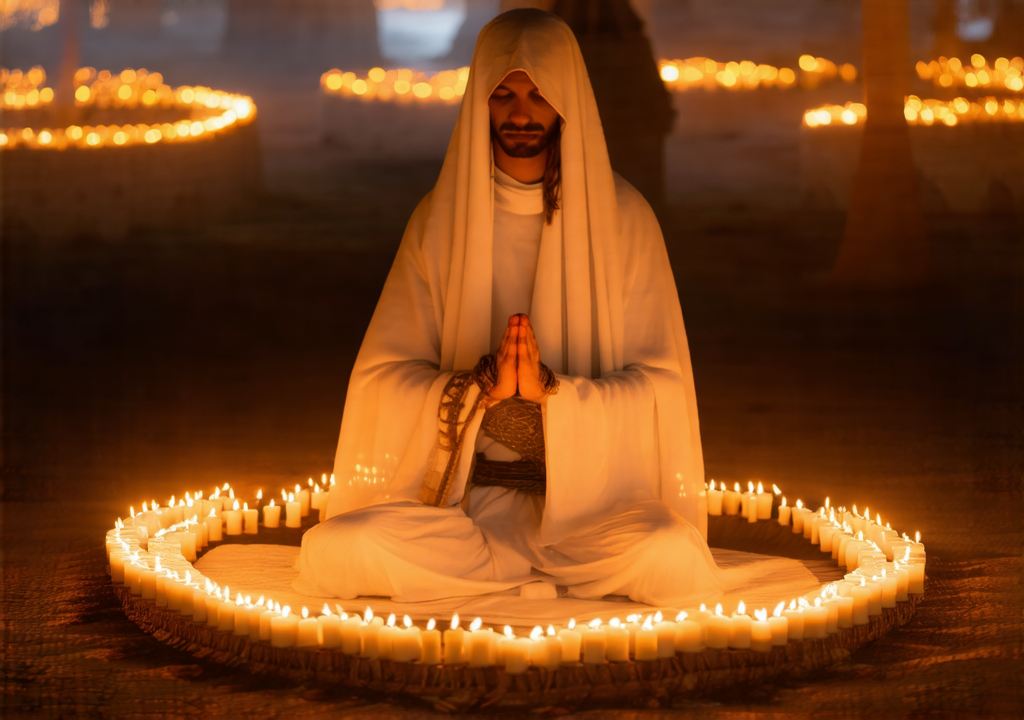
Prayer has always been the humble servant of religion—a quiet, introspective exercise where believers kneel on hard floors and whisper their requests into the ether, hoping someone might care enough to listen. It is a form of communion with the divine, yes, but it remains bound by its limitations: passive petition, meek supplication, the expectation that one’s prayers will be heard if they are only sincere enough.
But what if prayer worked like magic? What if, when we pray, we don’t merely ask and hope—but actually do something? Not metaphorically, not poetically, but in a real and tangible sense: the kind of action that moves things, shifts energies, creates effects as surely as casting a spell or working an incantation.
This is precisely what Theurgy—derived from the Greek θεουργία (theourgia), meaning “divine work”—posits. Where prayer traditionally represents asking the gods for favors, Theurgy was developed by Neoplatonic philosophers like Iamblichus as a system where humans actively participate in divine processes. The prayers aren’t requests sent upward; they’re invocations that draw heaven down. They don’t beg—they compel.
The Mechanics of Prayer-as-Magic
To understand how prayer might work like magic, consider the basic mechanics of magical operation: intention, symbol, and will. When a magician works, they direct their intention through specific symbols—words, gestures, or objects—and pour their will into these channels to effect change in the world. Prayer, in this light, becomes no different from spellcraft, only dressed in more reverent clothing.
Consider the prayer as spellwork: words are recited with deliberate intention; a gesture accompanies them (hands clasped, head bowed, perhaps the sign of the cross); and the practitioner believes—truly believes—in what they’re doing. This is precisely how magic works across cultures and historical periods. The distinction between “prayer” and “spell” often collapses when we examine both sides of the divide.
The Ancient Precedents: Iamblichus and Beyond
Iamblichus, writing in the third century CE in his On the Mysteries, proposed that prayer could function as a true theurgic operation—not mere verbal petition but actual participation in divine processes. He distinguished sharply between two approaches to relating with divine beings:
One was prayer (εὐχή), which involved asking and requesting—what we might call “passive” communion, where the practitioner waits patiently for responses from the gods and hopes that sincere supplication will be noticed. The other was theurgy, which actively drew down divine presence through specific rituals, symbols, and invocations designed to create actual contact with divine beings.
For Iamblichus, prayer could go beyond mere asking; it could become a genuine operation of divinity working through the practitioner, an active participation in cosmic forces. The key distinction lay not merely between requesting favors from gods or simply communicating with them. Prayer that worked like magic created real effects: healing, protection, illumination, and even mystical union.
How Prayer Actually Works as Magic
What does it mean for prayer to work “like” magic? Not metaphorically—literally, in a practical sense. When you pray with magical intention, several things happen simultaneously:
You direct energy. The act of praying isn’t passive contemplation; it’s the deliberate channeling of will through words and symbols. This is precisely what magical practitioners have claimed for millennia.
Symbols carry power. In prayer as magic, language itself becomes a tool—not merely descriptive but effective. Words spoken with proper intention actually do things in the world, just as spells work. The Lord’s Prayer isn’t merely asking God to do something; it’s an incantation designed to draw heaven down.
The practitioner participates actively. In traditional prayer-as-asking, we wait for divine action from outside ourselves. But when prayer works like magic, we become active participants in the process—we don’t just petition and hope; we do something that affects the cosmos.
Historical Examples of Prayer as Magic
Throughout history, countless examples support this view: The prayer circles of medieval monks were not mere devotional exercises but actual working systems believed to affect earthly outcomes through divine participation. The Eucharist—the consecration of bread and wine—represents both prayer and magic combined in a single act. Even the Psalms function as magical incantations when recited with proper intention, each one designed not merely to be read but to do something specific: healing, protection, blessing.
The Practical Application
If you want your prayers to work like magic rather than passive asking, follow these principles:
Pray with deliberate intention. Don’t just say the words; intend their effects. When praying for healing, imagine the healing actually happening as you speak. When praying for guidance, visualize yourself receiving it.
Use symbolic language. Pay attention to what symbols carry your prayers—words, gestures, and even physical objects all participate in the work of prayer.
Believe while doing. The difference between effective prayer and ordinary asking lies not merely in sincerity but in genuine belief that you’re participating in something real and powerful.
Conclusion: Prayer as Actual Magic
When prayer works like magic, it ceases to be mere petitioning of distant deities. It becomes an active participation in divine processes—working with the cosmos rather than simply asking from it. The distinction between “asking” and “doing” collapses, for when you pray truly well, you are both.
The ancient theologians knew this. The mystics understood it intuitively. And you can practice it too—not as passive devotion but as active communion with the forces that shape reality itself. After all, if prayer works like magic, then every genuine prayer is a spell—and every spell, properly spoken, is a prayer.

















No Comments