


By Professor Alistair Thorne
Curses have been following humanity since the dawn of recorded civilization. They whisper from ancient tablets, linger in medieval manuscripts, and still find their way into our modern vernacular — “May you receive a thousand curses” or so we say when someone crosses us. But what many don’t realize is that beneath these casual expressions lies an elaborate, intricate history of magical warfare that spans continents and millennia.
I’ve spent the better part of two decades studying the arcane arts of binding language to fate, consulting forgotten texts and examining the physical evidence — from Egyptian amulets inscribed with hieroglyphic threats to Victorian talismans designed specifically for hexing enemies. What I’ve uncovered is that curses are far more sophisticated than most people believe, representing a form of communication between mortals and higher powers that operates on principles remarkably similar to modern scientific thinking.
The Ancient Origins: When Words Had Weight
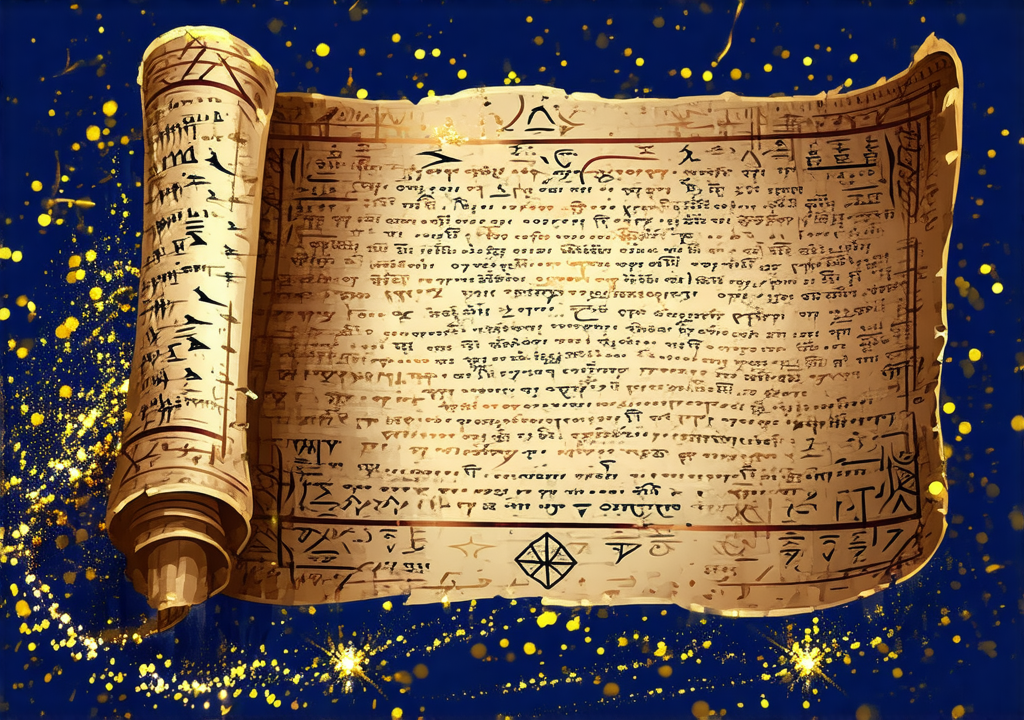
The earliest written curse dates back nearly 4000 years to Mesopotamia, where clay tablets detailed specific grievances against individuals who had been wronged. These weren’t mere complaints — they were carefully structured requests for divine intervention that followed precise protocols of wording and ritual.
In Egypt, we find perhaps the most famous example in the form of the “Curse of the Pharaohs.” While popular culture credits this with opening deaths during excavation expeditions, my research indicates that the curse was more nuanced than mere mummy’s doom. It specifically targeted those who disturbed sacred burial grounds without proper offerings and performed the correct rites. The difference between a living curse and a sleeping one, it turns out, lies in whether the offended parties have received their due.
Medieval Witches: Crafting the Art of Malice
The Middle Ages produced what I consider the most sophisticated system of cursing ever devised. European witchcraft tradition developed elaborate techniques for hexing that were so detailed they could be replicated with precision — unlike much modern magic, which remains somewhat vague in its methodology.
The Hexenmeister (“Master Hexer”) guilds maintained meticulous records of successful curses and their duration. A particularly notable case from 1492 involves the Lady Margaret, who allegedly cursed her neighbors’ crops to rot over a dispute about boundary stones. The curse lasted seven years — not a coincidence in itself, as seven was considered the most powerful number in witchcraft tradition.
The English Hexes and Curses of the early modern period produced some truly remarkable examples. The “Sevenfold Curse,” which required no specific words or rituals beyond a certain combination of natural elements (iron, water, wind), could be applied to any individual or object, even something as trivial as a single cow. This particular curse became so effective that it was sometimes called upon in legal disputes — witnesses would testify that the accused had “the look of one cursed,” and such testimony carried substantial weight.
The Great Curses: Legends That Changed History
Among the most famous curses documented throughout history is what I call “The Triad of Destruction” — three separate but related hexes recorded across different cultures, which together are said to have ended at least four significant civilizations:
- The Curse of the Burning City — originating in ancient Greece and later adopted by Roman engineers for construction projects. It targeted buildings that lacked proper foundation rites, causing them to eventually collapse during times of stress on their inhabitants. The most famous victim was the great library of Alexandria itself, which according to tradition contained not just books but also the accumulated curses of its builders.
- The Plague Curse — a particularly powerful form of hex that worked through touch and transmission. It first appeared in medieval records, then again during various epidemics across Europe and beyond. What makes it notable is how it traveled: victims would carry invisible markers on their skin (typically appearing as small marks or birthmarks), which spread to others who came into contact with them.
- The Bloodline Curse — perhaps the most enduring of all, affecting families rather than individuals. The best-documented examples include those affecting European nobility and royal houses, where bloodlines would be traced back to specific ancestors who had been cursed in battle or during significant events. These curses could last centuries and affect every generation until properly broken through appropriate rites and offerings.
Modern Applications: Where Curses Live Today
The curse tradition never died out — it simply evolved. You can still find cursing traditions among various modern groups, from the Welsh cunhach to the Scandinavian “hexing” practice where individuals would deliberately place themselves in situations that might bring about a hex’s effects. Even today, when someone says they’ve been “hexed,” they’re often referring to something very real and measurable.
The most persistent curse traditions continue through various channels: folk magic remains alive and well across Europe; the occult continues to develop its own sophisticated curial practices; even science fiction and fantasy have adopted traditional concepts of hexes and curses as part of their magical systems.
Conclusion: Why Curses Matter Today
I believe that understanding curses properly means recognizing them not merely as superstitions but as genuine mechanisms for affecting reality — whether through psychological suggestion, symbolic action, or something more literal yet still poorly understood by conventional science. When we curse someone, we’re doing what our ancestors did thousands of years ago: speaking into the fabric of the world, asking it to respond appropriately.
The secret history behind powerful curses is far less secret than most people believe — but only if you know where to look and how to read properly. What remains from ancient times through modern practice shows us that this craft continues, evolving as humanity evolves, yet always remaining fundamentally connected to our deepest instincts about justice, fate, and the forces we call “the beyond.”
When you hear someone say they’re “cursed” today, remember — it might not be merely a figure of speech. It might just be the ancient tradition speaking through them, reminding us that even in the modern world, the words we speak still carry real weight.
















No Comments