


By Dr. Helena Voss
Clarity in clairvoyance begins with distinguishing what it actually is from what we typically conflate with it. Most people possess a rich inner life, but true clairvoyance — the ability to perceive beyond ordinary sensory range — requires a trained capacity quite distinct from gut feeling, hunches, or simple intuition. Developing this capacity takes methodical practice over time, not mystical awakening overnight.
Understanding Clairvoyance Properly
Clairvoyance derives from Latin claire (“clear”) and French voir (“to see”), literally meaning “clear seeing.” In its fullest sense it encompasses perceiving events, objects, or information through direct non-sensory awareness rather than through the ordinary five senses. This includes remote viewing — sensing things happening at distance — precognition of future events, present-time perception beyond normal range, and retro-cognition (perceiving past events).
Intuition often overlaps with clairvoyance but differs in important ways: intuition is usually pattern-recognition based on accumulated experience, while true clairvoyance involves receiving information not yet processed through memory or learned patterns. This distinction matters because it determines whether your practice produces genuine psychic ability or merely refined instinct.
Preparing the Foundation
Before formal practice begins, establishing a clear intention is essential. Sit quietly for ten minutes each morning, and set aside at least one hour daily for dedicated work. The mind must move from active analysis to receptive awareness — a state where information can enter without being filtered by habitual thought patterns.
Create a regular environment conducive to clarity: choose consistent lighting, minimize distractions, and establish cues your body recognizes as signals to shift into practice mode. Many practitioners find that the same chair, the same time of day, works reliably over months of development.
The Core Practices
First Practice — Basic Receptive Development
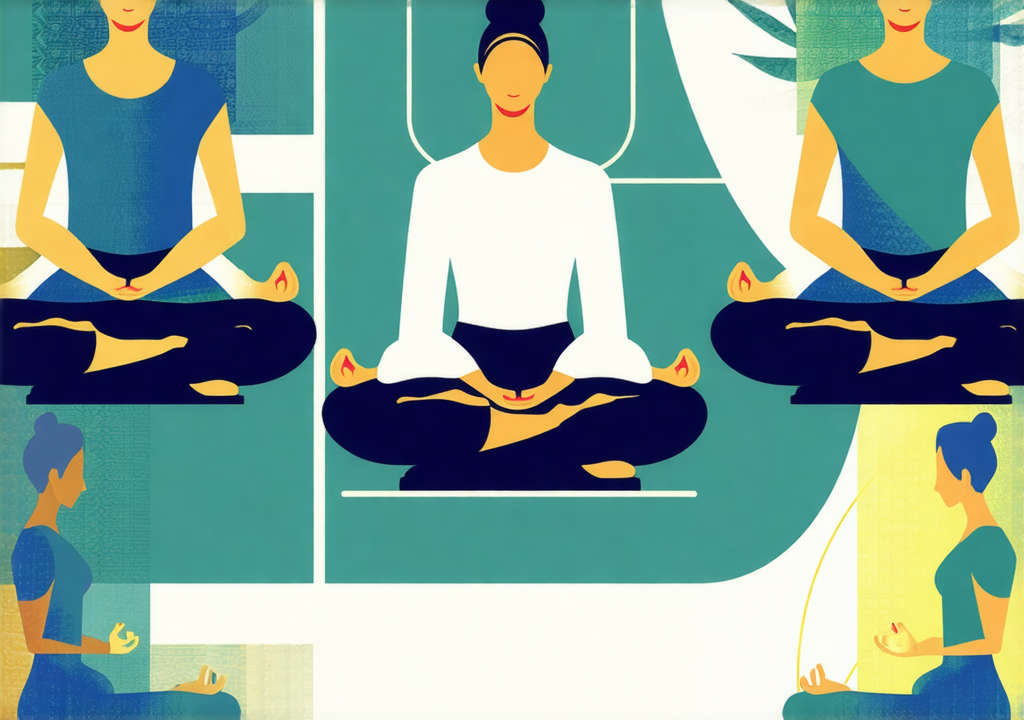
Sit comfortably with eyes gently closed or half-open. Allow thoughts to surface without grasping them, then release them like clouds passing through sky. With each breath cycle, widen awareness beyond the body’s boundaries until it feels as though you’re perceiving through walls and floors.
Try this: Focus on a distant object in your home — perhaps a bookshelf or window. Close eyes, maintain focus intent, and allow impressions to come without naming them. Open eyes to check whether what came through was accurate. This simple exercise, repeated daily for three weeks, builds the foundational capacity distinguishing genuine clairvoyance from imaginative guesswork.
Second Practice — Remote Viewing Protocol
Remote viewing involves perceiving objects or locations beyond ordinary range while in relaxed awareness. Place a photograph of an unknown location face down. With eyes closed, describe what you perceive: shapes, colors, textures, perhaps even names or dates. Repeat this for several photographs across different settings.
The key is receiving information without analyzing it first. Allow impressions to arrive as raw sensory data — before they become interpretations. Record everything immediately; only after collection do you analyze your perceptions against actual results.
Third Practice — Future Perception
For precognition, focus on upcoming events and allow images or feelings about them to emerge during quiet periods. Keep a dedicated journal showing predicted events alongside their outcomes. Notice patterns emerging: some people perceive visual images primarily, others receive information as sensations in the body, still others hear words or see symbols.
Common Obstacles and How to Overcome Them
The greatest obstacle to clear clairvoyance is mental interference — thoughts mixing with impressions until you cannot tell which came from within your own mind. The solution lies in developing discrimination between incoming perception and outgoing thought.
Overthinking ruins receptivity. Learning to rest quietly without needing to interpret what arrives requires practice that few give themselves credit for completing. Meditation teaches the body this capacity, but clairvoyance demands something more: resting peacefully while allowing perceiving without grasping.
A Structured Practice Schedule
Dedicate twenty minutes each morning and evening to receptive awareness exercises. Maintain a daily log showing predictions, impressions, and outcomes. Track results rigorously for at least six months; this period reveals whether genuine capacity develops or merely improved pattern-recognition skills.
Practice with willing partners, testing blind before discussing results. Record observations immediately upon receiving impressions rather than letting memory distort them through reflection during conversation afterward.
Signs You’re Developing Genuine Ability
Look for these markers: spontaneous visions about events you later confirm, feelings about situations that prove accurate despite having no logical basis for them, consistent ability to describe distant locations or objects without seeing them first, and a growing confidence in perceptions that initially felt uncertain.
Notice how impressions come differently over time — sometimes as images, sometimes as sensations, occasionally as words arriving unbidden. Each modality builds on the others; they’re not competing abilities but complementary channels for receiving information beyond ordinary range.
Continuing Beyond Beginner Stage
The real development happens in daily life, not during formal practice alone. Keep a “clairvoyant journal” where you record predictions alongside outcomes for six months minimum. Patterns emerge showing when genuine ability appears versus improved pattern-recognition skills.
With consistent daily practice and careful observation, most dedicated practitioners develop reliable clairvoyance within eighteen to twenty-four months. Beyond that point, refinement continues; some eventually work at a level where they perceive multiple simultaneous events without losing clarity about any single one.
The distinction between genuine ability and refined instinct becomes clear through sustained record-keeping. Only persistent practice over extended periods reveals whether you’re developing real clairvoyance or merely learning to read your own patterns more accurately. Choose wisely, remain patient, and let the practice unfold naturally rather than forcing results prematurely.


Recent Post



Gallery






Featured Videos







No Comments