


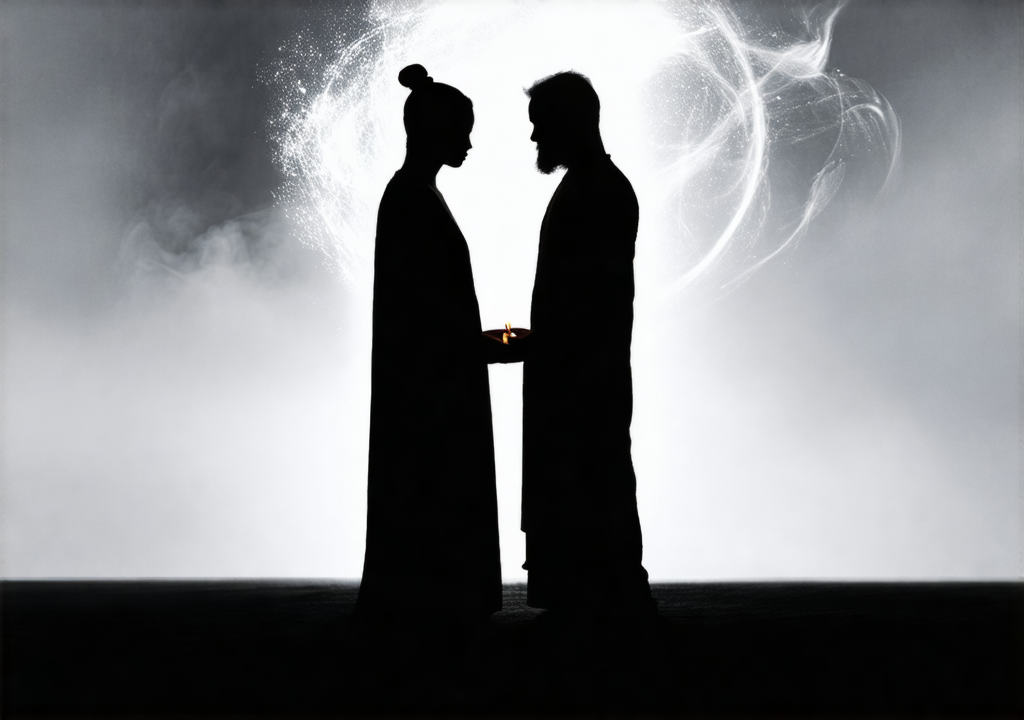
A Guide to True Magical Practice in Chaos Magic
Chaos magic has become more popular than ever, and with that popularity comes an influx of practitioners who claim to wield power yet demonstrate little understanding of what it means to truly practice. Whether you’re examining the ceremonial traditions or contemporary magical schools, the distinction between genuine magicians and those merely pretending to engage in magical work is a question worth addressing.
At its heart, Chaos magic operates on a fundamental principle: belief is a tool, not a doctrine. Unlike traditional systems that demand adherence to specific cosmologies, Chaos magic teaches us that what we believe does not matter as much as what we do with our beliefs. The true magician knows this and adapts accordingly; the faker clings desperately to one tradition or another like a child clutching its blanket, convinced that wearing the right robes makes the work real.
But there’s something deeper at play here. What separates genuine magical practitioners from those merely performing the rituals of magic is not any particular system of thought—no matter how ancient or impressive it may appear—but rather an ability to actually do what we claim to do, regardless of whether anyone else believes in our methods.
Consider the great texts that have shaped our tradition since antiquity. The Greater Key of Solomon, written centuries ago when magic was understood differently than we understand it now, still offers principles worthy of reflection today. Its wisdom doesn’t come from being old; it comes from being true. And this truth is what distinguishes real magicians—the ones who practice without needing validation—from those who perform for others’ approval but leave the work undone.
The great masters throughout history have shown us that genuine magic requires nothing more than intention and execution. It doesn’t require elaborate ceremonies or expensive tools, though these can help in their way. What matters is whether you’re actually changing something, whether your words correspond to reality rather than merely decorating it.
What makes this so difficult is our own tendency toward pretense. We build magnificent theories around magical practice—explanation after explanation, principle after principle—until we’ve constructed such elaborate frameworks that we forget what was originally important: the doing. The true magician knows that belief follows action; the faker believes first and hopes action will follow.
The secret is simple enough to be overlooked at first glance: if you want genuine magical power, then practice as if the power exists. And more importantly, practice without needing anyone else’s confirmation that your work is real.
This is what I mean when I say the one thing separating true magicians from fakers. It isn’t belief or knowledge or even skill—though all of these help. The essential distinction lies in whether you do or merely discuss. And there’s no more convincing proof of this difference than watching any magician who can actually change things versus those who simply talk about what they’ve done.
Those who practice with genuine intent find their work growing stronger regardless of external validation. Those who perform for approval will find themselves dependent upon constant encouragement, constantly seeking confirmation that their magic is real.
So the question remains: What separates true magicians from those merely pretending to engage in magical work? Not any particular system or tradition—though these have their place. Not belief or knowledge alone—but rather something far more fundamental: the willingness to do the work without needing anyone else’s confirmation that what you’re doing is real.
And this, I believe, is why The Greater Key of Solomon still matters today—it speaks not to any particular era or tradition but directly to those who do the work itself.


Recent Post



Gallery






Featured Videos








No Comments