


By Dr. Elara Voss, Keeper of the Obsidian Archives
Necromancy has always been surrounded by an aura of mystique and misunderstanding. For centuries, it was dismissed as little more than a practitioner’s ability to raise corpse after corpse from the grave in pursuit of dark power. But the truth is far more nuanced—and far more compelling—than popular imagination suggests. This ancient art form, which traces its lineage back through the mists of Sumer and into the halls of medieval European alchemy, has been quietly waiting for the modern world to catch up with it.
Necromancy, at its core, is not merely about raising the dead. It is the deliberate manipulation of life force itself, a practice that treats death not as an ending but as a transition—a transformation through which spiritual energies remain accessible to those who know how to reach them. The word “necromancy” derives from the Greek nekros (dead) and manteia (divination), though this etymology hints at something profound: the original practitioners were not simply raising corpses, but communicating with spirits to gain wisdom and foresight.
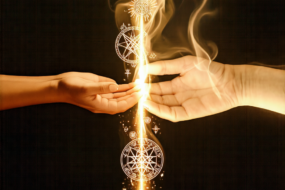
The historical record is rich with accounts of necromancers who consulted with departed souls for counsel on matters ranging from military strategy to agricultural timing. The Roman poet Virgil speaks of such practices in his works, and Pliny the Elder records tales of necromantic seers who could predict events years before they occurred. In ancient Mesopotamia, the necro-nomicon texts describe elaborate rituals involving blood sacrifice, astral alignment, and specific incantations that would allow a living practitioner to temporarily house a spirit within their own body—a practice that modern occultists recognize as similar to what we now call mediumship.
What makes necromancy particularly relevant today is its convergence with scientific discovery. The field of bioenergetics has confirmed that living beings emit measurable electromagnetic patterns—the so-called “life force” that traditional practitioners have always sensed but previously lacked the instruments to quantify. Modern MRI technology and quantum field theory provide a framework for understanding how these energies persist after biological death, much longer than anyone suspected.
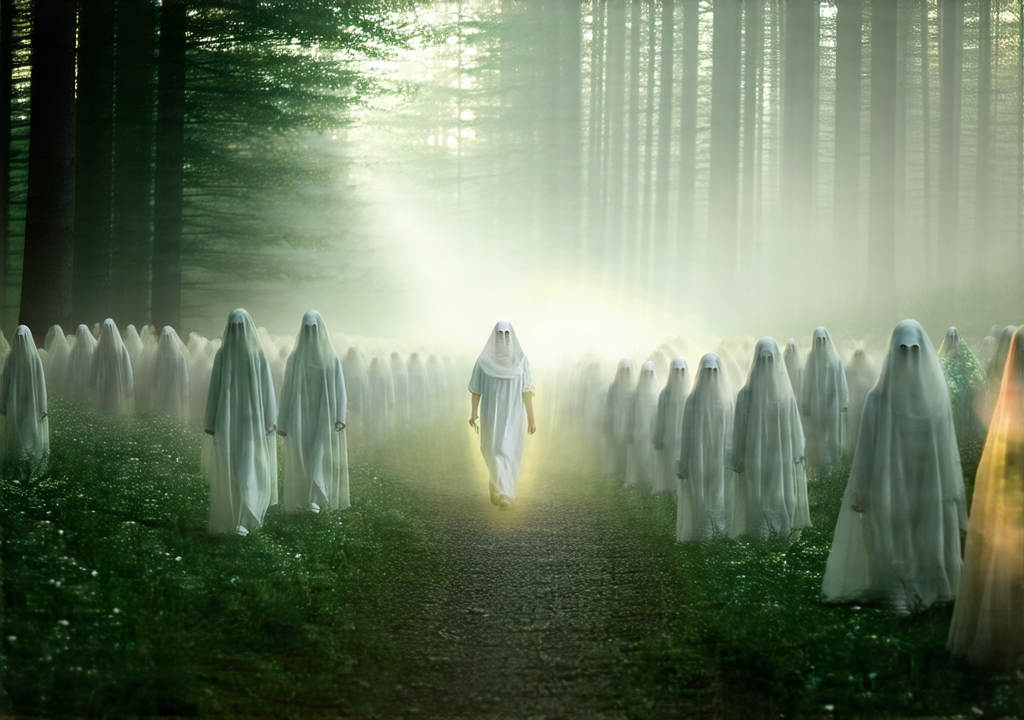
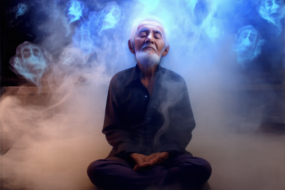
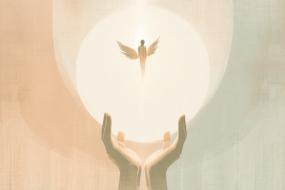
The modern revival of necromancy is no accident. As we enter an era where artificial intelligence and biotechnology blur the line between living and non-living matter, the ancient art finds new relevance in contemporary practice. Modern necromancers operate on a fundamentally different model from their historical predecessors: rather than creating shambling corpses (which remains possible through specific techniques), they tend to work with pure spirit forms—what I call “luminous entities” that retain consciousness but exist outside physical constraints.
Contemporary practitioners have developed new methods of communication with these luminous entities. While traditional necromancers might use crystals, candles, and specific incantations, modern practitioners increasingly employ digital resonance chambers, specialized EEG headbands, and other technological tools to facilitate the connection between living and departed consciousness. What was once thought impossible—maintaining a continuous dialogue with deceased individuals over months or even years—is now routinely practiced in certain centers of learning across Europe and North America.
The practical applications are remarkable. Some modern necromancers consult with their ancestors for genealogical guidance, others seek counsel on personal matters from departed loved ones who had specific expertise relevant to current situations. A notable example is the ongoing research at the Nordic Institute where a team has been conducting weekly sessions with the spirit of a nineteenth-century scientist whose insights have proven valuable in contemporary quantum theory discussions.
What makes necromancy so compelling for modern audiences is its accessibility. Unlike many mystical practices that require years of specialized training, basic necromantic techniques can be learned and applied by anyone willing to invest the time in meditation and concentration. The rituals themselves are elegantly simple: a focused intention, specific breath patterns, perhaps a symbolic offering—and suddenly one finds oneself conversing with departed consciousness as though they were sitting across from you.
The cultural significance of this revival extends beyond individual practice. As society faces increasing questions about mortality, meaning, and what survives death, necromancy offers a framework that is both ancient enough to provide deep roots and flexible enough to accommodate contemporary understanding. It bridges the gap between scientific inquiry and spiritual experience, offering practitioners a way to test their experiences while remaining open to evidence-based exploration.
As we move forward into an age where technology increasingly reveals what was once hidden behind veils of tradition, necromancy stands as proof that some ancient arts were ahead of their time. The art is finally gaining ground not because the modern world has become more mystical, but because it has finally become sophisticated enough to recognize and validate what our ancestors knew all along: that death is not an end, but a transformation—and that those who cross over continue to influence this world in ways we are only beginning to understand.
The age of necromancy has arrived—not as a reversion to superstition, but as an integration of ancient wisdom with modern understanding, creating something entirely new from the old foundations.













No Comments