


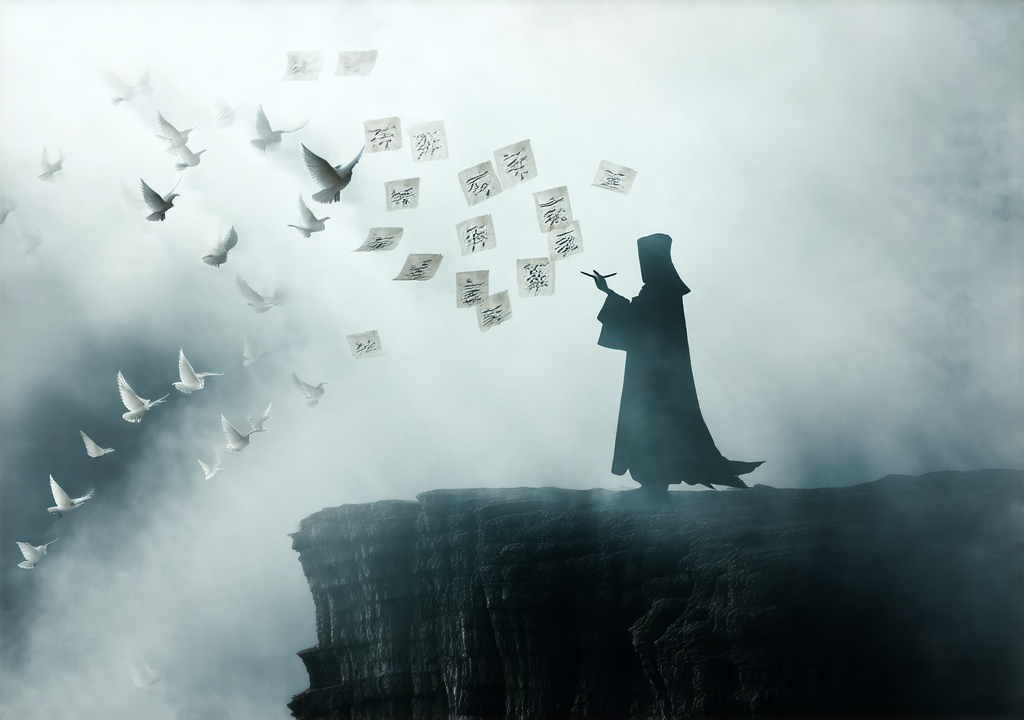
By Valerius Corvus, Keeper of the Whispering Archive
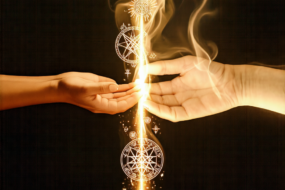
When Death speaks back through cracked earth and cold stone, its voice is not always one we hear with our ears alone. It resonates in the marrow, in the quiet between heartbeats, in the sudden warmth that crosses an unseen threshold when a nameless thing stirs at the edge of thought. Necromancy is not merely necromancy; it is conversation—the oldest dialogue, sustained by ritual and sacrifice, across two thousand years of human history.
From ancient Sumerian tombs to modern-day crypts, from the bone-white staffs of the necromancer’s craft to the whispered incantations that rise like smoke from blackened hearths, necromancy represents something essential about our relationship with mortality itself. It is not denial but engagement. Where other magics seek to conquer death, necromancy invites it in, asking permission rather than demanding compliance.
The Living Architecture of Necromancy
What makes true necromancy distinctive from mere ghost-seeing or spirit-calling? Consider the difference between watching a shadow move and feeling its breath upon your neck. Necromancy requires presence—presence that must be cultivated through specific practices, specific offerings, specific relationships with those who have passed beyond. The ancient texts refer to it as necrologia, meaning “speech of the dead,” but this term has been misunderstood for centuries.
When we speak of necromancy in its truest form, we are speaking not about raising corpses from graves nor binding spirits into service, though these practices exist. We speak instead of maintaining relationships with those who dwell on the other side—relationships that require ongoing effort, specific knowledge of their needs and desires, and a willingness to enter into exchange rather than command.
The great necromancers throughout history—from Medea’s descendants in Persia to the bone-keepers of ancient Scotland and beyond—understood this distinction clearly. They did not see death as an ending but as transition into a different mode of being, one that continued to interact with the living under specific conditions. The dead do not simply rest; they converse.
The Mechanics of Engagement
At its core, necromancy operates through three primary methods: invocation, binding, and communion. Invocation calls forth spirits from their resting places or their ongoing journeys; binding captures them in specific vessels—bones, stones, or crafted containers—and directs them according to established conventions; communion establishes direct relationships where the living and dead converse as equals rather than master and servant.
These three methods are not mutually exclusive. The finest necromancers employ all three, understanding that each serves different purposes. Binding is most useful for specific tasks—seeking knowledge from a particular spirit or protecting a location with a guardian. Communion is best suited for ongoing relationships, where the dead provide counsel or companionship over extended periods. Invocation bridges these methods, calling spirits forth as needed while maintaining relationships without permanent binding.
The Historical Currents
Consider how necromancy has evolved through history, adapting to each age’s particular needs and concerns. In ancient Greece, the practice became formalized in rituals like those described by Plutarch regarding the nekyia, where the dead were called forth from their resting places during specific seasons and under particular conditions. The Romans adopted these practices but added layer upon layer of ritual sophistication, creating elaborate systems for maintaining relationships with the dead across generations.
Medieval necromancy brought new dimensions, incorporating elements of Christian theology into older traditions. Necromancers learned to invoke saints alongside ancient spirits, understanding that death had not ended all possibilities. The practice became less about simple ghost-seeing and more about accessing different levels of reality simultaneously.
Modern practitioners have inherited this layered tradition but face unique challenges. We live in an age where death has become somewhat invisible—hospitals replace homes as places where dying occurs, cemeteries become distant rather than embedded within communities, and the dead are often moved far from the living. This physical separation makes necromancy both more difficult and perhaps more necessary.
The Practice of Reconnection
A skilled necromancer understands that death is not absence but transformation. When a loved one dies, they do not simply depart; they continue in ways we cannot immediately perceive. Necromancy provides the means to recognize these continuations and establish active relationships with those who dwell on the other side.
This process requires specific practices: regular communication through ritual, maintaining physical connections (whether through bones, graves, or crafted vessels), and understanding the particular needs of different types of spirits. Some dead need remembrance; others need specific offerings; still others require ongoing dialogue to remain active in their own right.
The great necromancers throughout history—those who have left us texts and practices we can follow today—understood this beautifully: death is not a wall but a doorway, one that opens both ways when properly tended. When Death speaks back through ritual and remembrance, through bones and stones and whispered names, the conversation continues endlessly.
The Endless Conversation
Perhaps what distinguishes truly enduring necromancy is its ability to grow and evolve across centuries, adapting to new circumstances while maintaining core principles. Whether practiced in ancient tombs or modern homes, whether invoking spirits of earth or sky or sea, the fundamental relationship remains unchanged: the dead speak when we listen, and they have something important to tell us if we only learn how to hear them.
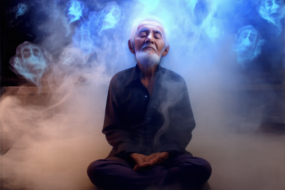
When Death speaks back, truly speaking, it does so not merely through visions or dreams but through subtle transformations in our own lives—in the warmth of unexpected insight, in the sudden presence felt when alone, in the voices heard on wind that carry meaning beyond ordinary speech. The necromancer’s art is to recognize these moments and respond appropriately, maintaining relationships across the boundary between living and dead with grace and understanding.
And so the conversation continues—across millennia, through countless hands that have held the same bones, spoken the same names, performed the same rites under different stars. Death speaks back when we listen, and the dead speak to us still.


Recent Post

Gallery






Featured Videos




No Comments