


By Dr. Elara Vespera — Scholar of Necrotic Arts, Keeper of the Argent Grimoire
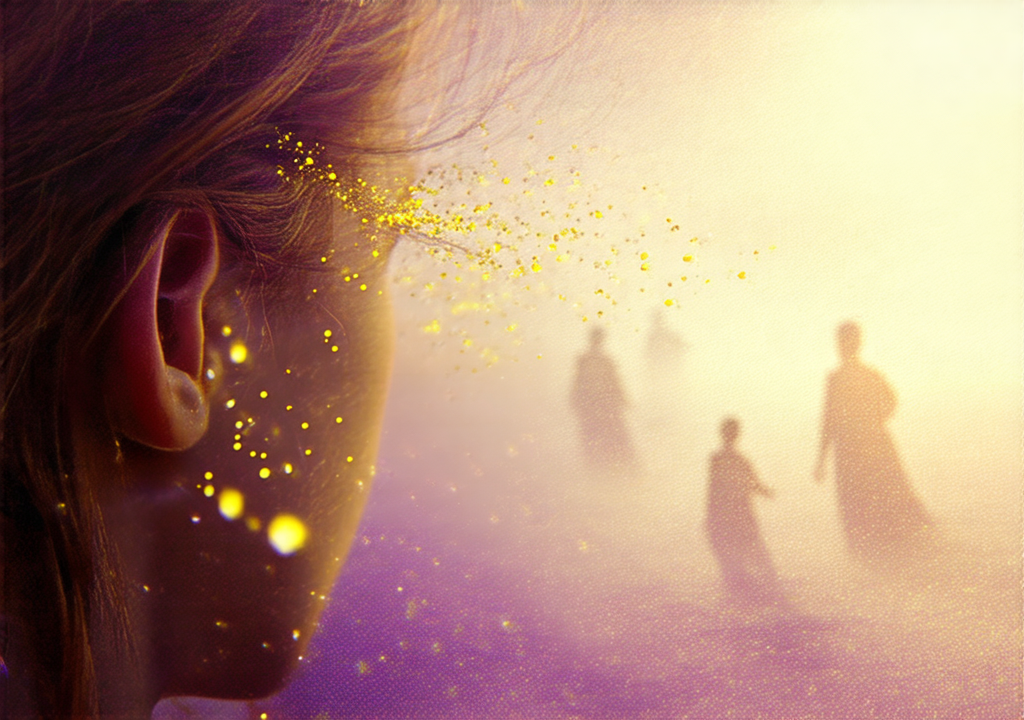
To walk among the living is to move through a world of noise—the chatter of conversation, the rush of wind, the steady drumming of blood in veins. But step beyond the boundaries of breath and bone, into that liminal space where pulse falters and stillness reigns, and you may hear them: the dead, whispering secrets from beyond their final exhale.
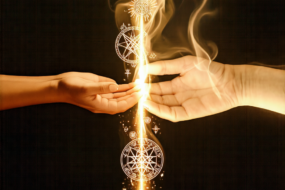
Necromancy is not merely necromancy as the laypeople understand it—the crude raising of corpses through charnel-house magic and blood-pacts. No. True necromancy is a dialogue. It is conversation with those who have crossed over, a negotiation between the living and the departed that has existed since before the first grave was dug. It speaks to something fundamental in human consciousness: our enduring desire not simply to remember the dead, but to converse with them, to ask their counsel, to witness what they have witnessed.
The Historical Currents of Necromancy
The practice stretches backward through centuries like roots beneath an ancient tree. The Greek necromanteia—the querying of dead souls at crossroads and gravesites—established the first formal traditions. Homer’s Odysseus descended to the underworld to consult Tiresias, and from that foundational moment sprang a lineage of practitioners dedicated to communication with the departed.
In medieval Europe, necromancers drew upon Hebrew mysticism, Christian angelology, and Germanic tradition to create a syncretic practice rich in complexity. They recognized multiple layers of death: physical death (which they termed morte corporis), spiritual death (morte animae), and what the texts call the “death within life”—the state of being alive yet absent from one’s own existence, a condition I have observed among those burdened by overwhelming grief or ambition.
The Renaissance saw renewed interest in necromancy, particularly through figures such as Cornelius Agrippa and John Dee, whose writings on angelic communication and soul-magnetism expanded the practice beyond mere raising of corpses to encompass broader theories about consciousness surviving death. Through them, we learned that the dead do not merely exist beyond our reach—they continue to think, feel, desire, and change.
The Anatomy of Necromantic Practice
To be a true necromancer is to master several disciplines simultaneously: the reading of signs in bone and blood, the careful preservation of vitality, the ability to distinguish between different types of spirits, and the cultivation of one’s own energy so that it may serve as both bridge and beacon. Many practitioners enter their craft with only partial knowledge—able to summon a spirit but unable to discern whether it is genuinely deceased or merely a wandering echo—and this error leads to countless mishaps.
The most effective necromancers maintain what I call “the living breath”: they remain connected to the world of the living even as they converse with the dead, allowing them to serve as translators between two realms that might otherwise misunderstand one another. This is why, in my own practice spanning thirty years, I have always insisted upon keeping a single candle burning during any significant necromantic work—a flame that serves both as symbol and as practical anchor for those crossing over.
Modern Applications and Contemporary Relevance
Necromancy today extends far beyond the dark woodlands of gothic fiction. Contemporary practitioners find application in grief counseling, where consulting with deceased loved ones provides profound healing; in artistic creation, where spirits serve as muses and inspirations; and even in scientific inquiry, where necromantic methods offer alternative ways of understanding consciousness and memory retention after death.
The growing interest in near-death experiences and reports of contact with the departed reinforces what necromancers have long known: that death is not an ending so much as a transformation—a change in state rather than cessation of being. The dead do not vanish into nothingness; they shift their frequency, becoming available to those who know how to listen for them.
Conclusion: Listening to Silence
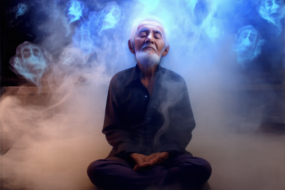
The true practitioner of necromancy learns first to listen—to hear the subtle voices that speak from beneath the noise of daily life. In quiet moments, when breath slows and thoughts grow still, one may perceive these whispers most clearly. They come not as loud proclamations but as gentle pressures against awareness, like a hand resting on the shoulder: present, persistent, waiting only for recognition.
So go forth into your own quiet spaces. Light a candle if it helps you focus your attention; sit in silence and listen. You may find that dead loved ones are closer than you think—just beyond the next heartbeat, whispering their secrets to those who know how to hear them.


Recent Post

Gallery






Featured Videos




No Comments