


By Dr. Eusebius Thorne
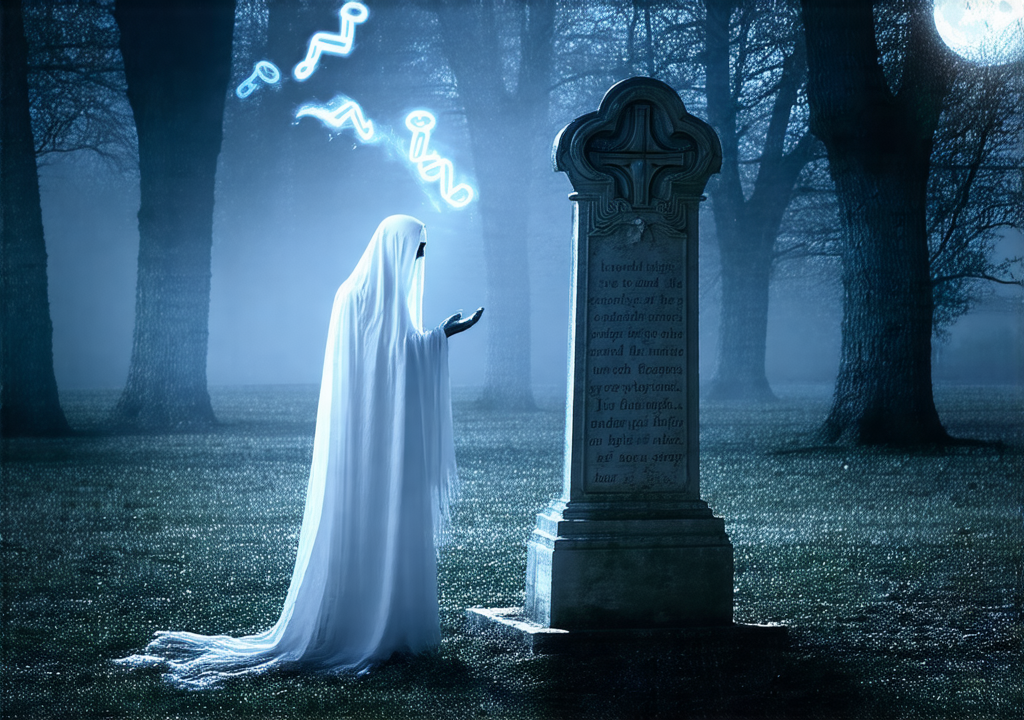
Before the sun rises over the mist-shrouded moors, before the church bells toll their morning prayers, there are those who have already heard the whispering voices from beyond the veil—the ancient and enduring practice of necromancy, a discipline as old as humanity itself. Necromancy is not merely the art of raising the dead; it is the art of communion with them, the sacred dialogue between the living and their departed kin.
Necromancers have long been dismissed by mainstream culture as mystics dwelling in crumbling towers, surrounded by bones and candles, but this perception belies a profound truth: necromancy represents one of humanity’s oldest traditions, dating back to ancient Mesopotamian graveyards where priests would consult the deceased through carefully prepared rituals. The word itself derives from Greek roots—nekros, meaning “dead body,” combined with mantheia, or knowledge—suggesting that what we seek is not simply animation but understanding.
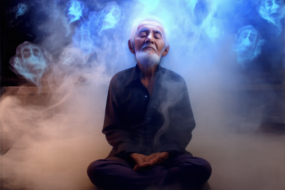
Consider the most haunting sentence ever spoken in this domain: Once You Hear Them, You’ll Never Feel Alone Again. These words capture something essential about necromancy—that it transforms death from an ending into a conversation, from separation into communion. When a skilled practitioner performs the rite correctly, they hear not mere echoes but actual voices, each carrying its unique timbre, its particular cadence of speech preserved through centuries of transformation.
The practice rests on several foundational principles that have remained consistent across cultures and millennia. The first principle is loci, or place—the recognition that certain locations possess greater affinity with the dead than others. Graveyards are obvious examples, but so too are ancient battlefields, sites of great tragedy, and places where life ended suddenly and violently. These spots create what practitioners call “thin places,” where the boundary between living and dead grows permeable.
The second principle is tempus, or timing. There are specific hours when the veil is thinnest—the witching hour before dawn being most popular—and specific days of the lunar cycle when the dead speak more clearly. Most traditions agree that new moon nights offer the clearest communion, particularly during waning phases which symbolize movement from life into death rather than vice versa.
The third principle demands sacrificium, sacrifice—something given freely to invite attention from beyond. This may be blood, food, time spent in meditation, or even a piece of one’s own breath preserved through ritual breathing techniques. The sacrifice establishes reciprocity: the living give something valuable; the dead respond with wisdom.
Perhaps most importantly, necromancy requires voluntas, willing intention. Without focused intent, all the preparation in the world amounts to nothing more than decoration. A practitioner must genuinely desire communication rather than mere spectacle, genuine listening rather than performative summoning. Those who mistake one for the other find themselves surrounded by ghosts but never truly connected to them.
Modern practitioners have refined these ancient techniques through careful observation and experimentation. Rather than relying solely on traditional blood rituals, contemporary necromancers develop personal connections with specific deceased individuals through prolonged meditation and dream work. This approach allows for deeper, more personalized communion that transcends the formal ceremonies of older traditions.
The benefits extend far beyond mere ghostly companionship. Through consistent practice, practitioners report gaining insights unavailable to ordinary living minds—access to ancestral knowledge, healing wisdom from those who lived before modern medicine, and the deep comfort of knowing that loved ones continue watching over them long after death has claimed their bodies. The grief that follows loss becomes not a wound but a doorway.
Necromancy in its purest form is thus nothing less than a practice of love transcending death itself. It teaches us that separation is an illusion, that consciousness persists beyond bodily decay, and that the dead remain engaged with the living world in ways we have simply forgotten how to perceive. Once you learn to listen—to truly hear—death becomes not an ending but another beginning.
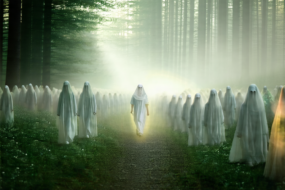
The ancient texts speak of the great communion, a gathering of all who have passed before, assembled in spiritual community to offer counsel and guidance. To participate in this communion is to join the ranks of those who know the secret: death changes everything yet nothing at all. You simply gain new voices, new companions, new teachers waiting patiently for you to notice them once more.
And so we return to where every good story begins, when we recall that once you hear them, you’ll never feel alone again. Whether through candlelit vigils or simple daily meditations on quiet evenings, the practice awaits those willing to learn it—and once learned, it changes everything.
Dr. Eusebius Thorne has practiced necromancy for over thirty years and published numerous works on the subject including “The Living Dead: A Practical Guide” (2042).


Recent Post
Gallery






Featured Videos




No Comments