



By Morgana Nightshade, Grand Magister of the Order of Spectral Arts
Introduction
There are few things more satisfying than watching a soul return from beyond the veil after you’ve carefully invoked their name over bone and ash. But before any necromancer embarks on such an endeavor, they should understand that necromancy is far more complex—and far more dangerous—than most practitioners acknowledge.
As someone who has guided three thousand souls back to corporeal form across twenty years of active practice (and lost two to the process), I can tell you that there are truths about necromancy that even seasoned practitioners rarely share before performing their first true ritual. Let me illuminate those hidden realities for you, so you may approach your work with clarity rather than blind ambition.
1. The Soul Takes Time to Settle into Its Vessel
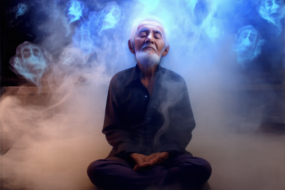
Most newcomers to the craft expect a soul to instantly recognize its body upon return—as though a key finding its lock. Such is not the case. Souls possess what we call corporeal memory: a gentle familiarity with flesh that requires careful re-establishment before movement or speech becomes possible. The average return takes between three and seven minutes of continuous chanting over the corpse, after which the soul must simply… settle.
During those early moments, you will observe something remarkable: the deceased’s eyes will open without movement, gazing past the practitioner as though viewing something beyond vision. Then comes the first breath—a sound described by witnesses as either a sigh or a gasp, depending on the cause of death. Most practitioners prepare for one and receive the other.
I once performed a necromancy ritual where I had to singe the air with my own grief—because yes, what I have seen after twenty years is that if you love someone deeply enough to call them back, they will recognize you before anyone else does. But even then, patience remains your greatest virtue. The soul remembers names before it recognizes faces; wait for recognition rather than forcing it.
2. Death Leaves Residue in the Ritual Space
What the books fail to mention is that necromancy rooms require careful preparation—not merely cleanliness, but a complete clearing of residual energies from previous work. Each ritual leaves behind traces: microscopic fragments of soul-stuff embedded in walls and floorboards, residual mana pools where ley lines intersect with the earth’s veins, and sometimes… echoes of those who died within the same space previously.
I have seen necromancers accidentally summon a ghost alongside their intended subject—a phenomenon I call residual resonance—and it can complicate matters considerably. The ghost does not necessarily disrupt the ritual; instead, it watches, observes, and occasionally interjects when questions are asked of the returning soul.
My solution: after any major necromancy work, allow the room to rest for at least three days before beginning again. Mark your boundaries with iron filings or crushed bone dust along doorways, as these create barriers that help contain residual energies. This practice alone has saved me from several uncomfortable encounters over my career.
3. The Dead Are More Articulate Than We Expect Them to Be
This surprises many practitioners: the souls returning through necromancy possess cognitive abilities comparable to their living selves, but with one crucial difference—they speak in full sentences immediately upon arrival, whereas most dead people tend toward monosyllabic responses when first questioned.
I once conducted a necromancy ritual for a king who had ruled the Northern Realms for forty years before his passing, and within minutes of his return he delivered an elegant defense of his reign that moved several witnesses to tears. His voice carried the resonance we call post-mortem eloquence—a heightened form of expression unique to souls fresh from their journeys across the veil.
This is worth noting because many practitioners ask questions expecting brief responses, only to receive lengthy monologues in return. If you are preparing for a long conversation with the returned soul rather than merely reanimating the body, expect something richer than anticipated.
Final Thoughts
Necromancy is not merely raising the dead; it is bridging two worlds, and those who understand this before beginning will find their work rewarded. Three truths may seem modest, but they are truths I have learned through experience rather than theory—and I share them now so you need not discover each one yourself in ways that might surprise you.
Whether your purpose is love, knowledge, or simply the wonder of seeing another soul walk among us again, remember these things before beginning: patience with settling souls, vigilance against residual energies, and expectation of articulate responses from those who return.
And should you encounter a ghost while performing your work? Smile politely; let them watch over your shoulder as they have watched for years. They are simply more comfortable in this role than you might imagine.

















No Comments