


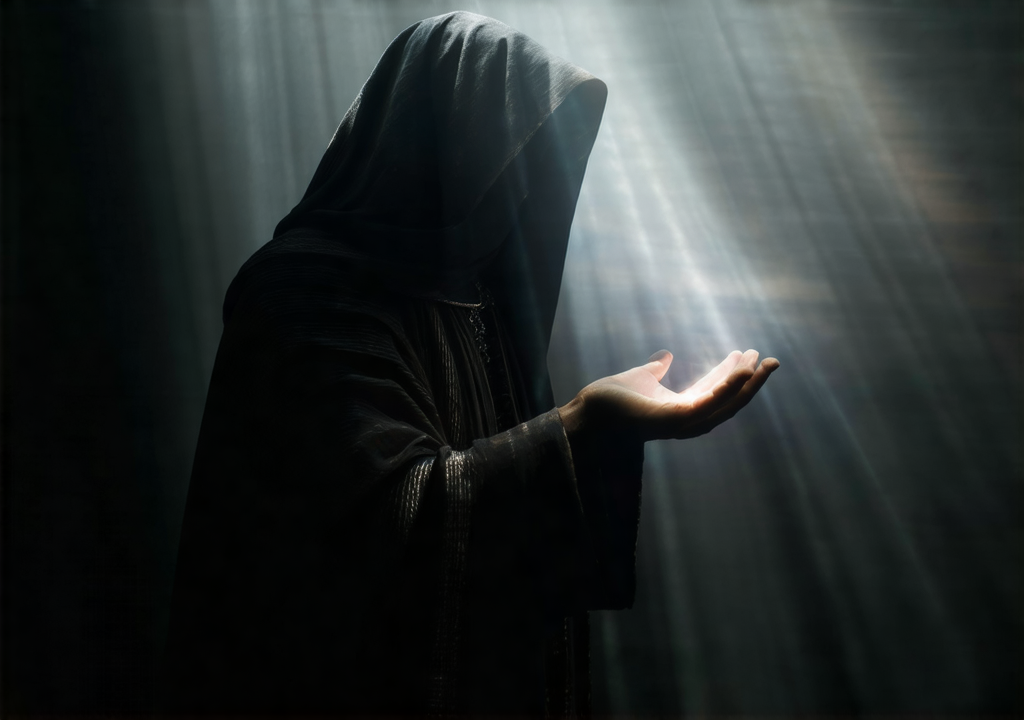
In an age where meditation apps proliferate and mindfulness trends sweep through popular culture, something quietly remarkable is happening. Across the world of contemplative practice, mystics, philosophers, and everyday seekers are rediscovering a tradition so old it predates written language itself—theurgy, or “divine work.” This ancient form of prayer has been making waves in contemporary spiritual life, offering something neither casual meditation nor formal liturgy alone can provide. Why this ancient prayer practice is making a huge comeback right now is a question that demands attention from anyone curious about deepening their connection to the sacred.
What Is Theurgic Prayer?
The term “theurgy” comes from two Greek words: theos, meaning god, and ergon, meaning work or deed. Whereas prayer in conventional religious traditions often involves petitioning a deity for blessings, protection, or guidance, theurgic prayer is fundamentally participatory. It doesn’t merely ask—it collaborates with divine beings to achieve union and transformation.
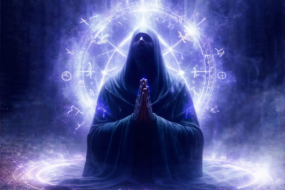
In classical antiquity, practitioners like Iamblichus, Plotinus, and others described theurgy as a method whereby humans could ascend through various levels of being, encountering divine entities along the way. Unlike philosophical contemplation alone, which required pure intellectual effort, theurgy incorporated ritual elements—mantras, symbols, gestures, and sacred geometries—that served as bridges between human consciousness and divine realms.
The Structure of Theurgic Prayer
A typical theurgic prayer practice unfolds in layers. At its foundation lies intention: the practitioner clearly defines what aspect of divinity they seek to encounter. This might be Apollo for wisdom and illumination, Isis for nurturing grace, or any number of archetypal forces across various traditions.
The ritual framework typically includes:
Invocation — Calling upon specific divine beings using sacred names, symbols, and sometimes physical representations such as incense, candles, or images.
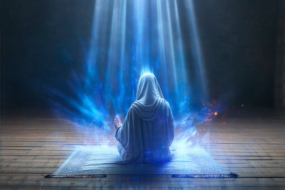
Meditation — A focused contemplative state where the practitioner mentally envisions the presence of these beings, often through visualization techniques refined over centuries.
Communion — The actual encounter, which may manifest as visions, feelings, inner voices, or simply a profound sense of being in the presence of something greater than oneself.
Union — In its most advanced form, the practitioner experiences not merely communion with divinity but participation in it—the divine working through them rather than just appearing to them.
Why Now? The Modern Resurgence Explained
Several factors explain why theurgic prayer is experiencing a revival today. First, modern spiritual seekers are increasingly disillusioned with purely intellectual or doctrinal approaches to religion. They want practices that engage both mind and body, tradition and experience.
Second, contemporary interest in esoteric traditions—from Hermeticism to Kabbalah to Sufi practices—has created fertile ground for theurgic methods. Many modern practitioners recognize that these ancient systems offer not just beliefs but actual technologies for spiritual development.
Third, research into contemplative neuroscience supports what mystics have known for millennia: sustained meditative and prayerful states produce measurable changes in brain activity associated with heightened consciousness and wellbeing. When people read about “neuroplasticity” or “mindfulness,” they’re encountering scientific validation of practices theurgists have used since antiquity.
Practical Application Today
For beginners, the practice begins simply. Choose a quiet space and time each day dedicated to theurgy—perhaps early morning when consciousness is fresh. Light an incense stick representing your chosen divine presence. Speak or think a sacred name associated with that divinity. Visualize its attributes: perhaps golden light for solar deities, silver water for lunar ones, or specific colors and symbols tied to traditions you find meaningful.
Then move into silent meditation, allowing whatever images, feelings, or thoughts arise without forcing anything. When practice continues over weeks and months, practitioners report increasingly vivid experiences—not always dramatic visions, but often subtle shifts in awareness that feel genuinely significant.
The Contemporary Landscape
Modern theurgic prayer appears across many contexts: in personal devotional practices, in academic circles studying classical philosophy, in New Age communities seeking authentic spiritual depth, and even among scientists who appreciate both empirical rigor and mystical experience. Some practitioners follow traditional systems like Neoplatonic theurgy; others create personalized versions drawing on various cultural sources.
Perhaps most encouragingly, this movement isn’t confined to any single religious tradition or geographic region. Across cultures and continents, people are discovering that ancient prayer practices offer genuine wisdom applicable to modern life’s complexities.
Conclusion: A Living Tradition
What makes theurgic prayer particularly remarkable today is its adaptability. It respects ancient traditions while remaining open to new interpretations and personal variations. It combines ritual depth with philosophical insight, mystical experience with practical methodology. And unlike some spiritual trends that fade like fads, theurgy has proven its value across centuries of human experience.
For anyone seeking a prayer practice that offers both continuity with tradition and genuine transformative power, theurgic prayer represents an invitation to participate in one of humanity’s oldest and richest forms of divine communication. Whether you choose to follow ancient patterns or create your own variations, the work is accessible—and as contemporary seekers continue to discover, genuinely effective.
Why this ancient prayer practice is making a huge comeback right now? Because it offers something that neither pure meditation nor formal liturgy alone can provide: a direct encounter with divinity that engages mind, body, and spirit simultaneously, rooted in tradition yet open to personal experience.















No Comments