


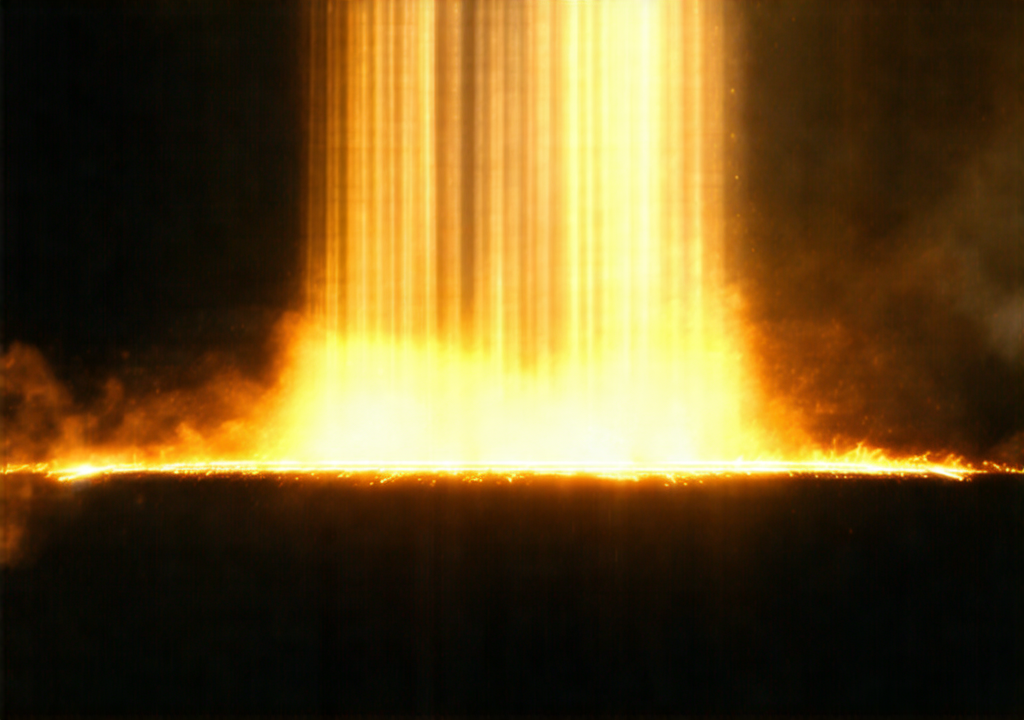
The Alchemical Journey from Essence to Eternity
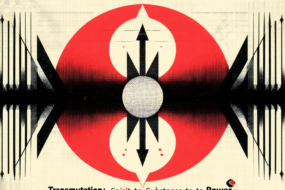
In the ancient tradition of alchemy, transmutation was never merely about turning lead into gold or base matter into divinity—it was about revealing the hidden essence that binds all things together. At its core, the great work of transformation can be distilled into a single, luminous principle: Transmute. The process of transmutation itself unfolds through three distinct phases—the spirit dissolves from ethereal abstraction into substance; substance grounds itself in tangible form; and that substance ascends again, elevated by concentrated power. Spirit becomes matter, matter becomes vessel, vessel becomes energy—energy becomes the source of all creation.
Understanding the Nature of Transmutation
Transmutation is far more than a change of state or mere chemical conversion. It represents a fundamental reorganization of being at the deepest levels of reality. When alchemists speak of transmuting spirit into substance into power, they are describing one of the most profound operations in nature: the transformation of potential into actuality, of invisible forces into visible forms, and finally of raw materials into refined excellence.
Consider the ancient wisdom that matter is but frozen light, and spirit is merely unfrozen matter. Between them flows a continuous current—a river of creation that moves endlessly from one form to another. Spirit begins as pure intention: unmanifest, invisible, yet potent beyond measure. It descends into substance—into earth, stone, water, breath—taking on weight, texture, history. Then it rises again as power—the concentrated force that drives the stars and governs human will. This is transmutation in its fullness: a cyclical dance between formlessness and form, between spirit and matter, between potential and actualization.
The Three Stages of Transmutation
The process begins with Spirit—what alchemists called the primum ens, the first essence. This spirit exists before matter, beyond matter, as pure potential waiting to be shaped. It is breath without body, thought without tongue, intention without action. Spirit holds within it everything that could ever be created.
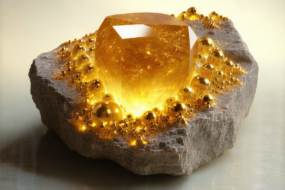
The second stage occurs when Spirit becomes Substance—when intention takes on weight and dimension. In alchemical terms, this is the nigredo, the darkening where spirit begins to crystallize into form. Lead absorbs spirit; mercury receives it; stone transforms through its contact with the divine spark. This is where spirit crosses from invisibility into visibility—from a whisper becomes visible from invisible becoming tangible: gold, iron, flesh, bone. Substance is matter infused and animated by spirit.
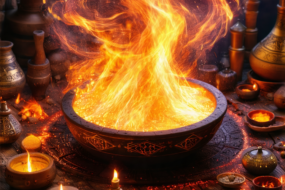
The third stage emerges when substance becomes Power—when matter charged with spirit releases energy at full capacity. The alchemical rubedo brings this to completion: the dark work yields red fire, base metal becomes radiant, substance explodes into pure force. This power is neither spirit nor substance alone but both together, fully integrated—what the ancients called “the stone” or “the philosopher’s gold,” a substance so refined it could transmute itself and everything around it.
Transmutation in Practice: From Alchemy to Modern Understanding
What makes this principle of transmutation so enduring is that it applies across scales—from individual transformation to cosmic evolution. Consider how water (substance) can become steam (spirit, expanded form), which then returns as rain (power flowing through the earth). Or how food we consume transforms from physical substance into vital energy, then into thoughts and actions—spirit again expressing itself in new ways.
The alchemical principle of transmutation has parallels everywhere: the way water moves between states without losing its essential nature; the way a seed contains within it the entire tree; the way breath carries spirit through our bodies; how iron becomes gold through repeated exposure to fire; and how human consciousness itself—once pure thought, then lived experience finally becoming wisdom—performs transmutation on a daily basis.
The Art of Personal Transmutation
Human beings are themselves instruments of transmutation. Our thoughts (spirit) shape our words (substance), which in turn affect others’ minds (power). When we meditate, our intention becomes visible through posture and expression; when we act from deep knowing, that action carries weight far greater than mere effort alone. This is what the alchemists meant when they said: as above, so below—just as spirit transmutes into substance in heaven so too does it happen here on earth.
The Ultimate Transmutation
To transmute means to become more than you were—to carry forward everything you’ve learned and add to its weight, then release that accumulated weight as energy again, ready for the next cycle. Spirit becomes substance through learning; substance becomes power through experience; and when both are fully integrated—when spirit lives in matter completely—the result is not merely transformed but perfected. This perfection is what alchemists sought in their great work: an object so refined that it could itself transmute, carrying within its essence the ability to change other things.
Conclusion: Living Transmutation
In the end, transmutation teaches us something essential about existence itself—that nothing stays fixed, everything flows through cycles of becoming and unbecoming, spirit dissolving into substance only to reemerge as power again. To live consciously is to participate in this eternal work—learning from what we’ve been, shaping our present with intention, and releasing into the future not just what we are but what we might become. Spirit into Substance into Power—that is the rhythm of life itself.
Transmute.













No Comments