


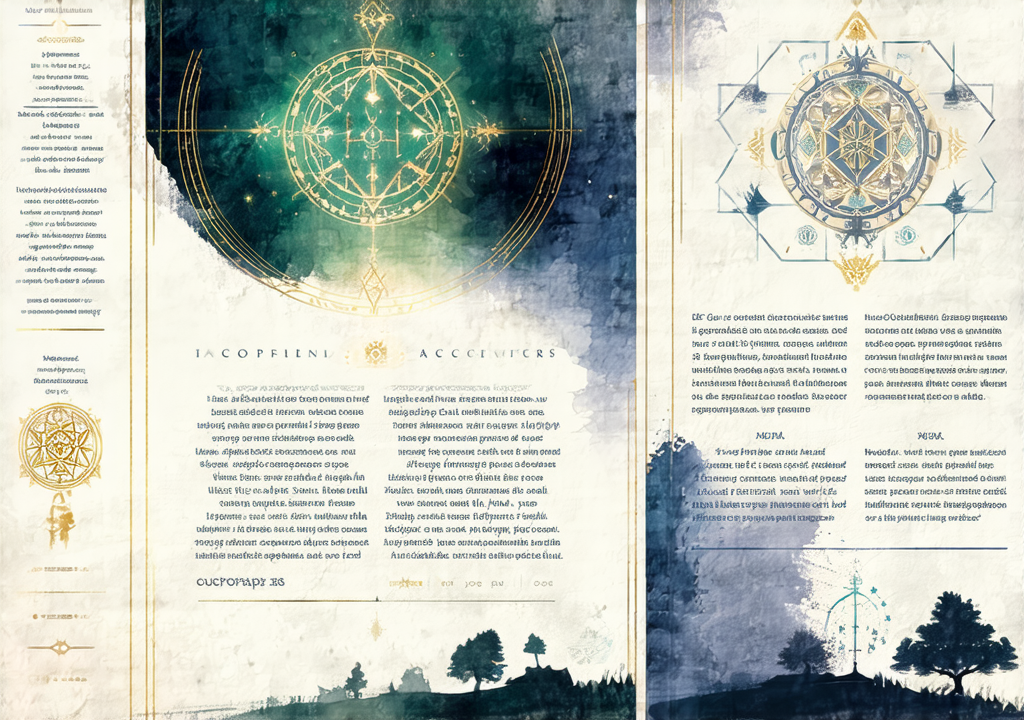
Understanding Ceremonial Magic
Ceremonial magic is one of the oldest and most structured forms of magical practice, distinguishing itself from folk magic through its reliance on precise ritual form, symbolic correspondence, and carefully orchestrated ceremonial procedures. Unlike simpler traditions that might involve spontaneous spell-casting or intuitive energy work, ceremonial magic demands exactitude in every element—from the positioning of tools to the pronunciation of sacred syllables.
The term “ceremonial” itself derives from the Latin caerimonia, meaning formal observance, reflecting the tradition’s emphasis on prescribed methods passed down through authoritative texts and initiatory lineages. At its heart lies a cosmology that views the universe as an interconnected web where human will, divine forces, and natural laws interact according to discernible patterns.
Historical Foundations and Tradition
The roots of ceremonial magic stretch back through centuries of esoteric thought. Ancient Egyptians practiced what we might call proto-ceremonial magic in their temple rituals. The Greek Magical Papyri from the Roman era preserved incantations and formulas that anticipated later medieval traditions. Medieval grimoires like the Key of Solomon codified practices for conjuring spirits, constructing talismans, and purifying sacred spaces—texts that remain foundational to modern practitioners.
The Renaissance saw a flowering of ceremonial practice through figures like Heinrich Cornelius Agrippa, whose Three Books of Occult Philosophy synthesized Neoplatonic philosophy with practical ritual techniques. Later, the Hermetic Order of the Golden Dawn (1888–1905) systematized these traditions into what many consider the most comprehensive framework for Western ceremonial magic, creating a structured hierarchy of grades and detailed correspondences between planetary symbols, elemental forces, and divine names.
Core Principles of Ceremonial Practice
Before beginning your practice, familiarize yourself with these foundational principles:
Will and Intention: In ceremonial magic, will is the primary instrument—the directed consciousness that shapes magical action. Unlike passive meditation or suggestion, active will requires focused determination maintained through ritual form.
The Principle of Correspondence: Often summarized by the Hermetic axiom “As above, so below,” this principle holds that macrocosmic forces manifest microcosmically and vice versa. Planetary correspondences, elemental associations, and symbolic geometries create bridges between the visible world and subtle realms.
The Elements: Most traditions employ four or five elements (Earth, Water, Air, Fire, and sometimes Spirit/Quintessence) as fundamental building blocks of both cosmic structure and ritual space. Each element carries specific qualities and is invoked through specific tools, directions, colors, and incense.
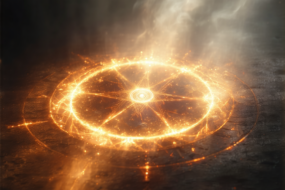
Sacred Space and Direction: Ceremonial magic typically constructs a sacred microcosm within the macrocosm. The magician circles the microcosmic or “circle of art” with consecrated materials—often chalk—and invokes divine forces to protect this space during operation.
Essential Tools and Their Purposes
A typical ceremonial setup includes several key instruments:
The Pentagram: Drawn in chalk within the magical circle, the pentagram represents microcosmic ordering and is used for purification, banishing, and invoking specific planetary energies. The pentagram holds particular power because it creates a five-fold seal that can both bind and protect.
Tools of Operation: Wands (for directing energy), swords (for cutting through illusion), cups (for water and emotional currents), and disks (for earth and material manifestation) correspond to the four elements and facilitate specific magical operations. Each tool is consecrated according to its planetary correspondence before use.
Talismans and Sigils: These are charged symbols that carry specific magical intentions into practice—either through geometric construction, astrological timing, or the working of specific names and letters.
The Major Ritual Forms
Ceremonial magic employs several principal ritual forms:
Evocation places a spirit outside the magician while evocation inside brings it within. Invocation calls divine forces upon oneself or into tools; banishing removes unwanted influences. Each form requires precise knowledge of sacred names, numbers, and geometries.
Steps to Begin Practicing Ceremonial Magic
- Study foundational texts: Begin with authoritative sources such as The Key of Solomon, Liber Aeth (the Book of Enoch), or modern systematizations like Dion Fortune’s The Mystical Qabalah.
- Establish a sacred space: Dedicate an area for ritual work—whether a specific room, corner, or outdoor location that you consecrate and maintain in purity.
- Learn the basic tools and their correspondences: Understand how wands, swords, cups, and disks function within the system of elemental correspondence and learn to charge them through meditation and prayer.
- Practice daily purification and invocation: Begin with simple morning and evening rituals before attempting full ceremonial operations—this builds both discipline and spiritual connection.
- Study the Qabalah (Kabbalah): The Tree of Life provides a map for understanding divine emanations, angelic hierarchies, and correspondences essential to most Western ceremonial systems.
Common Pitfalls for Beginners
Novices often rush into complex rituals without mastering basic purification techniques, attempting grand operations before establishing consistent daily practice. Others confuse mere formality with genuine efficacy—the external forms are only vehicles; internal concentration and true intent give them power. Finally, many begin by copying elaborate rituals verbatim rather than understanding the principles behind each element—a mistake that can lead to mechanical repetition without deepening mastery.
Final Thoughts
Ceremonial magic rewards patience, precision, and persistence. It offers a structured path for those who seek a disciplined approach to spiritual practice, combining intellectual rigor with practical results. Those who commit to its methods find not only powerful working techniques but also a deeper understanding of the hidden architecture beneath ordinary reality—and their own place within it.
The complete guide is both a map and an invitation: begin simply, study deeply, work regularly, and let your will expand through ritual form until you stand confidently as maker of your own small world.


Recent Post
Gallery






Featured Videos






No Comments