


By Eleanor Crowe, M.A.
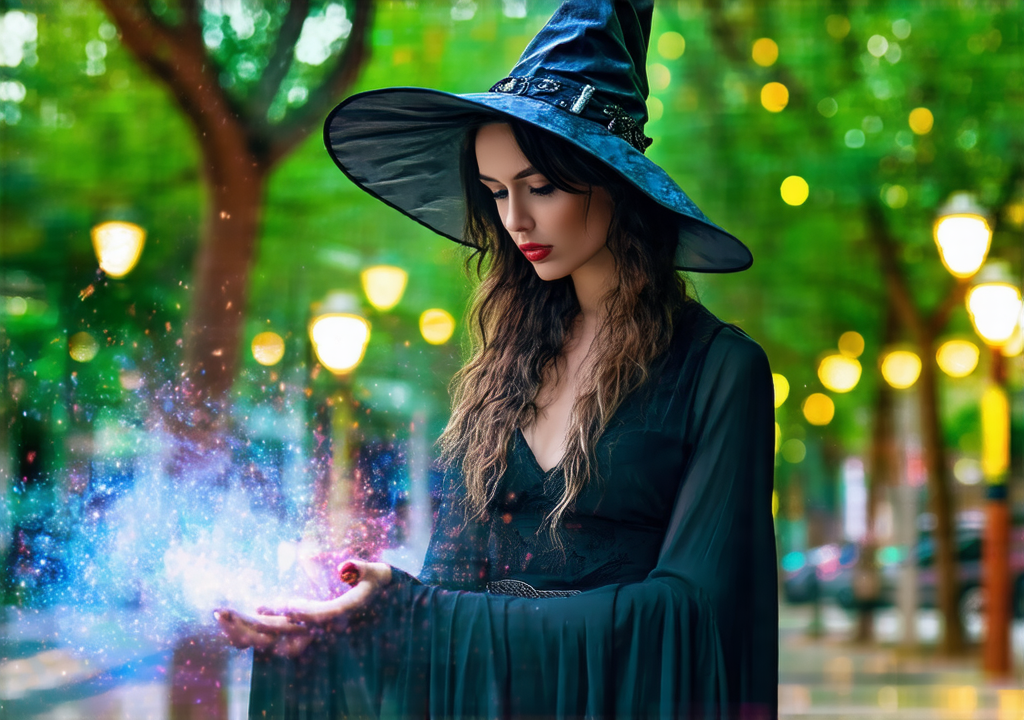
The air feels different now. Whether you’ve felt it in the way strangers linger over tarot readings at coffee shops or watched as witchy aesthetics infiltrate fashion runways, something has shifted. The practice of witchcraft—once a quiet, hereditary craft whispered around hearths and hidden within apothecary jars—is stepping into the light. And more than ever before, it’s calling.
Why Witchcraft Is Having a Moment
The reasons behind this cultural resurgence are as varied as the paths practitioners walk themselves. We’re living in an era of recalibration—where traditional wisdom meets contemporary awareness and people are seeking deeper connections with both nature and their own intuitive faculties. Modern life demands disconnection: screens, schedules, and noise drowning out inner stillness. Witchcraft offers reconnection through ritual.
Social media has played no small role either. Platforms like TikTok have become virtual grimoeres where #WitchTok creators share candle magic, spell jars, and moon rituals with millions of followers. What once required years of study can now be accessed by anyone with a smartphone—and the curiosity to explore further. But don’t let the digital surge fool you: this isn’t merely a trend. The witchcraft revival has deep roots, stretching back centuries in tradition while branching forward into new expressions.
What Is Ceremonial Witchcraft?
At its core, ceremonial witchcraft is intentional magic performed through formalized ritual practice. It distinguishes itself from casual spellwork by embedding spells within structured ceremonies that honor tradition and invoke specific energies. A ceremonial witch works with elements—Earth, Air, Fire, Water—and often draws upon astrological timing, sacred geometry, and the properties of crystals, herbs, and incenses to amplify their intentions.
Unlike simple herbalism or folk magic which might rely on instinctual knowledge passed through generations, ceremonial practice demands study: understanding the correspondences between symbols, colors, numbers, and planetary influences; learning when to work (during waxing moons, during specific hours); and knowing how to structure a ceremony so that each element serves its purpose.
Ceremonial witchcraft also tends toward the formal—whether through robe-wearing, altar construction, or the use of tools like athames, wands, pentacles, and chalice cups. But formality is a preference rather than a requirement. What matters most is intention behind the ritual.
How to Begin Your Journey
Start with your why. Before purchasing crystals or learning new correspondences, consider what draws you toward witchcraft—whether it’s healing work, creative expression, connecting with nature, or seeking deeper spiritual insight. This purpose will guide your practice as it develops.
Build foundational knowledge. Begin exploring through books: classic texts on ceremonial magic provide solid foundations, while modern authors offer accessible introductions for beginners. Online resources abound—but remember that a good mentor or community can accelerate growth more than endless online browsing ever could.
Create a dedicated space. Whether that’s an entire room or simply a corner altar on a shelf or windowsill—having somewhere to practice gives grounding and structure to your witchy life. Keep tools visible, symbols meaningful, and make the space feel sacred through regular use rather than perfection.
Learn one ritual at a time. Rather than attempting complex ceremonies immediately, begin with simple practices: lighting candles while focusing on intentions; walking through rituals during moon phases; incorporating herbal teas into daily routines as offerings or meditations. Small consistent practice builds skill far better than occasional grand gestures.
Finding Your Path
There are many traditions within witchcraft itself—Wicca provides structured paths through Wiccan Covens and solitary practitioners alike, while traditions like Hoodoo, Shamanic Witchcraft, and Druidry offer different flavors of magical work. Ceremonial magic, ceremonial witchcraft specifically, borrows from Western esoteric traditions: Hermeticism, Kabbalah, the Tarot’s symbolic language—and even works alongside modern scientific approaches to understanding energy, vibration, and intention.
What matters most isn’t choosing one path over another but recognizing that many paths can coexist within a single practitioner. Many ceremonial witches blend practices—perhaps working with crystals while honoring seasonal Sabbats; perhaps learning astrology while practicing meditation as a form of inner alchemy. Witchcraft is ultimately personal in its expression even as it draws from universal principles.
The Invitation Stands Open
Witchcraft isn’t about becoming something you aren’t—it’s about remembering what was always there within the practice of living intentionally, magically, deeply. Whether you pick up a book of spells or simply light candles on your windowsill at dusk, whether you study for years before taking your first ritual step or learn through doing as you go—the invitation is open to all who wish to answer it.
The modern witch doesn’t need robes (though they’re lovely). What she needs is curiosity and willingness to engage with mystery while remaining grounded in daily life. She honors the cycles of nature, yes—but also honors her own inner knowing as a valid form of wisdom. And perhaps most importantly, she knows that every act performed with intention—whether baking bread or brewing tea, whether casting circles or writing wishes on paper leaves floating down rivers—is magical when done consciously.
Witchcraft is having its moment because something in our collective soul has remembered how to enchant the world. Join us.


Recent Post


Gallery






Featured Videos




No Comments