


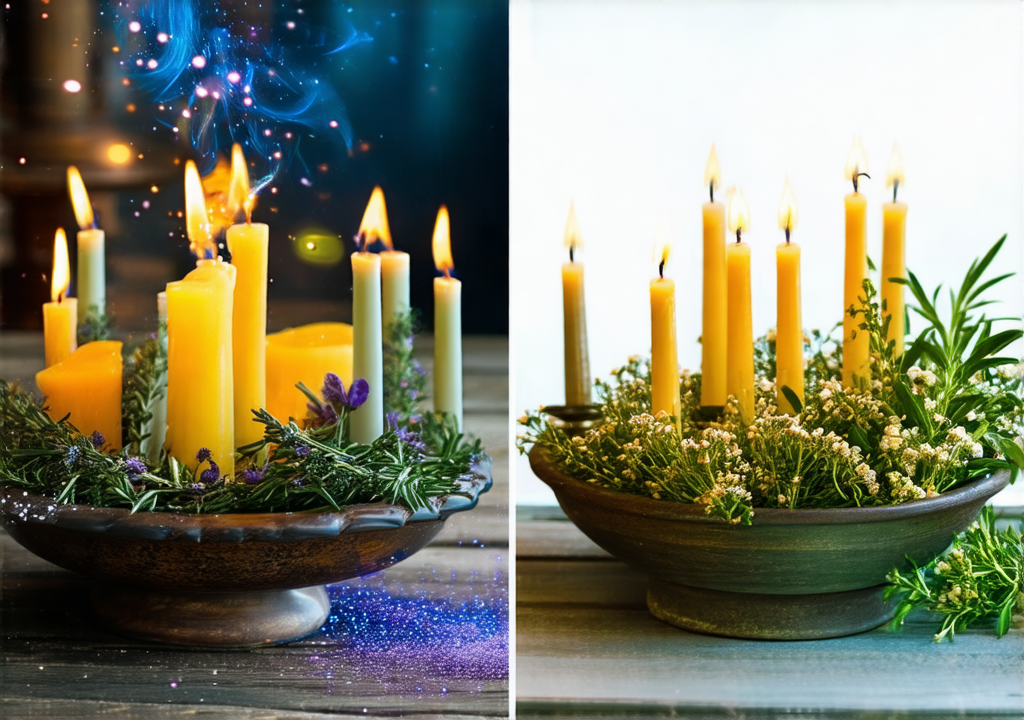
In our modern witchcraft renaissance, we find ourselves surrounded by an explosion of magical systems, each claiming superiority through complexity. New Age spellwork arrives wrapped in elaborate cosmologies—crystal grids charting planetary alignments, sigil magic drawn from alchemical traditions, and spells that require specific lunar phases intersecting with astrological transpositions. Yet somewhere between the ornate altar setups and the carefully curated collection of tools, we’ve lost something essential: the raw power of folk witchcraft—the kind that survived centuries in hearths, barns, and kitchen tables long before it became fashionable enough to be branded.
Traditional folk rituals possess a particular magic that no amount of fancy spellwork can replicate. They are not merely functional—they carry within them thousands of years of accumulated wisdom, layered like sedimentary rock beneath every practice. When you walk into an ancient forest or stand in a garden where generations of families have planted seeds and spoken prayers, you’re participating in the same continuum that connected our ancestors to their land. This connection is not romantic sentiment; it’s practical magic.
Consider divination. The sophisticated witch might consult Tarot decks imported from France, read runes hand-cut from specific stones, or cast spells using elaborate correspondences with planetary hours. These practices work beautifully and have their place in the magical world. But consider also the simple folk diviner who reads coffee grounds, observes weather patterns to predict harvests, or uses basic root-work performed according to traditions passed down through unbroken family lines. Which method is more powerful? The answer lies not in complexity but in continuity—the ability of a ritual to connect practitioners with the accumulated knowledge of countless generations before them.
The folk witch’s toolkit is deceptively simple: herbs gathered from local woods, salts dug from earth, candles made from beeswax or tallow. Yet each element carries specific properties that have been confirmed by centuries of practice rather than modern experimentation. Folk traditions don’t rely on theoretical correspondences alone; they carry lived experience embedded in their very practices. When a grandmother tells her granddaughter to boil ruewort for protection before entering an important situation, she’s not just reciting lore—she’s passing along verified knowledge that worked through countless trials.
What makes folk rituals particularly enduring is their adaptability without losing authenticity. A spell written by a seventeenth-century English witch and performed in twenty-first century America remains effective precisely because it connects to the same fundamental forces that have always existed. The ritual may change slightly as it travels—perhaps different herbs are substituted, or local customs blend with old ones—but its core power remains intact because it’s not dependent on specific cultural forms for its effectiveness.
The reason traditional folk rituals beat fancy spellwork every time is simple: they work reliably. They don’t require expensive equipment or specialized training beyond what a curious soul can learn through practice. When the weather turns stormy, a folk witch doesn’t need to consult an astrological chart to determine which herb to use; she knows that mugwort protects against lightning strikes, and she gathers it before dusk when the dew is still on the leaves. This kind of practical knowledge doesn’t come from books or teacherly instruction—it comes from years of watching what works and adapting practices accordingly.
The secret weapon of folk witchcraft lies in its community aspect. Traditional rituals are rarely performed alone; they’re part of an ongoing conversation between practitioners, ancestors, and the land itself. When someone performs a folk ritual properly—something that’s been passed down through generations—they’re connecting with a lineage of practitioners who’ve done the same thing for centuries. This creates what practitioners call “the current”—a subtle energy that flows through proper ritual practice like water through an ancient riverbed.
In an age where we can access endless resources, spell databases, and magical correspondences at our fingertips, there’s something profoundly grounding about returning to folk traditions. The magic works because it was designed by practical people who needed real solutions for real problems—protecting crops, healing illnesses, finding love, warding off evil spirits. These aren’t abstract concepts; they’re the same needs that modern witches face every day, just dressed in different clothes.
Traditional folk rituals beat fancy spellwork every time because they carry within them a living connection to those who practiced magic before us—and the practical wisdom of their practice continues to work for us today.


Recent Post



Gallery






Featured Videos





No Comments