


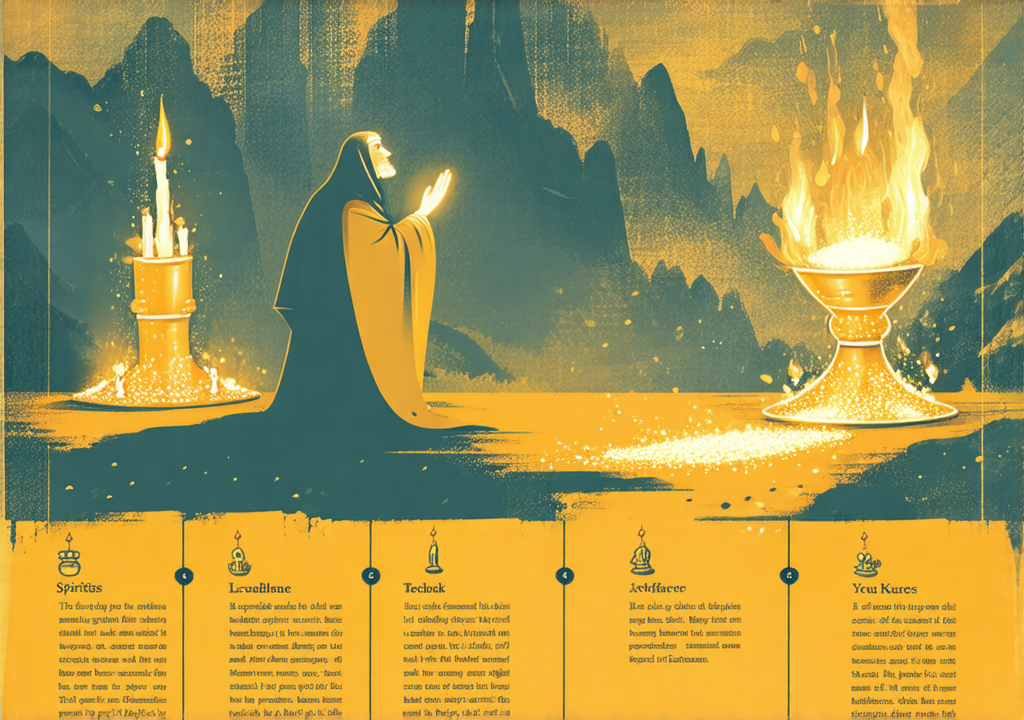
By Alaric Thorne, Master of the Grey Scriptorium
The veil between worlds is not a barrier so much as a curtain—a thin, gossamer thing that breathes with the wind of unseen hands. Walk through it at dusk, and you may hear them: voices from beyond, speaking in tones both familiar and strange, calling your name across an expanse measured not in miles but in years. The dead do not sleep; they wait. And their patience is neither gentle nor limited.
Necromancy has been misunderstood for centuries as merely raising the dead—raising and commanding, binding spirits to bones like chains around wagons. This view reduces necromancy to a crude craft: the art of puppeteering corpses and wrestling phantoms into obedience through force of will and iron nails. But true necromancy is not about dominion; it is about conversation. It is about learning to listen when the dead speak, understanding that their words carry knowledge we have lost, and that silence from beyond is merely a pause in the dialogue, not an end to it.
The ancients understood this better than modern practitioners do. The necromancers of old spoke not at the dead but with them. Their scryings were not displays of power so much as negotiations—requests extended across the boundary between living and departed, answered with wisdom earned through centuries of accumulated memory. When you asked a spirit to rise from its resting place, you did so politely, offering sustenance and remembrance in exchange for guidance. You did not command; you invited.
What has changed? Modern necromancy has become too eager, too quick to raise the dead without asking their consent, too impatient with the old ways of careful ritual and measured speech. We treat spirits like instruments rather than companions, binding them into service and forgetting that they were once living souls who loved and grieved as we do. The result is a kind of spiritual tyranny: the dead serve us reluctantly, their words muffled by chains of obligation, their patience worn thin by centuries of being hauled from sleep to answer our questions while we remain deaf to the deeper meanings hidden in their responses.
Yet even now, in our age of cold iron and cold hearts, there are those who remember the old ways. They still walk through graveyards at dusk, calling out names they once knew, listening for echoes from beneath the earth. And when the wind is right, you can hear it—the faint whispering that rises from deep places, the sound of many voices speaking together in a language older than memory, carrying words meant specifically for those who remain living and still breathing on this side of the veil.
The Dead Want to Talk—And They’ve Been Patient Enough—to wait through centuries of our ignorance, patient while we forgot how to listen, patient while our ancestors built monuments over their memories rather than learning their stories. But patience has its limits, and when they finally rise again, they will not be raised by force alone; they will answer because we have learned to ask in the proper way, with respect and genuine curiosity.
Modern necromancers who understand this truth no longer fear death’s threshold. They see it as a doorway rather than an end, knowing that every soul passes through it at some point—and that those who learn to read what comes on the other side hold secrets worth more than gold.


Recent Post



Gallery






Featured Videos






No Comments