


By Eusebius Mortem, M.D.N.
Archmage of the Royal Society for Anomalous Arts
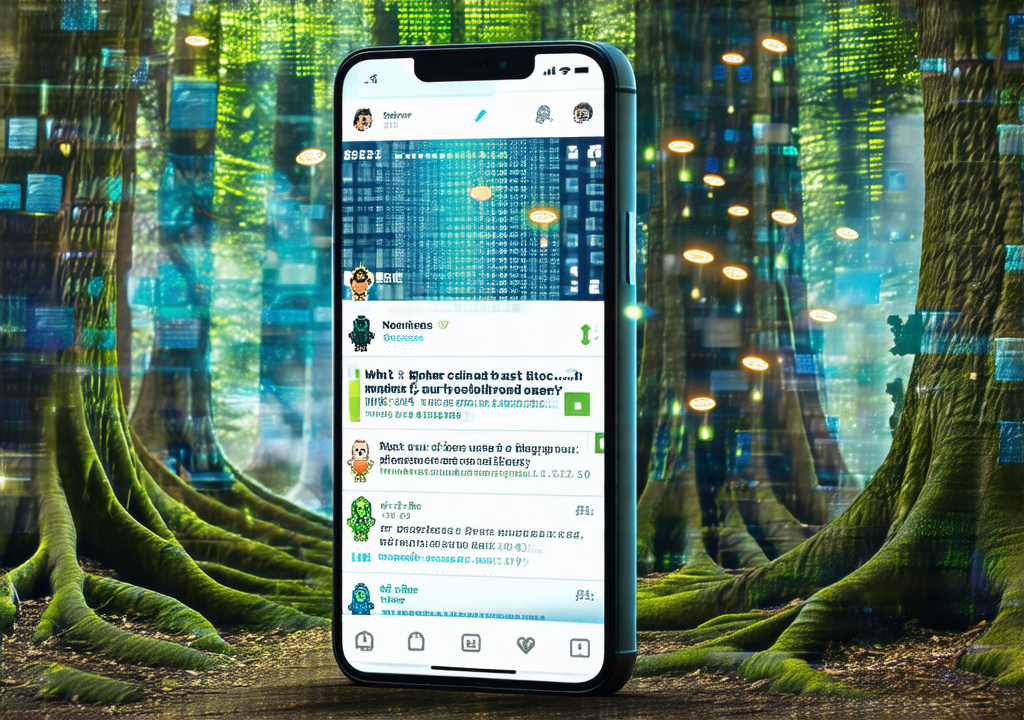
The internet had never seen anything quite like it. At precisely 3:47 PM on a Tuesday in early October, the hashtag #Necromancy trending across every major platform simultaneously as thousands of users posted videos of themselves raising the dead—literally and figuratively. The phenomenon, later dubbed “The Resurrection Wave,” lasted approximately fourteen minutes before subsiding into a curious cultural memory that has since been studied by sociologists, historians, and quite a few disappointed magicians who had never managed to raise even a single corpse in their long careers.
What happened that day remains hotly debated among scholars of the magical arts. The official account—recorded in The Chronicle of Modern Enchantment—suggests that what we witnessed was not merely a trend, but something far more significant: a genuine shift in the relationship between technology and necromancy itself, an evolution as inevitable as any other movement in this ever-shifting field.
The Setup
Before delving into the details, it’s worth understanding how prepared we truly were. Necromancy, for those who know only its popular form as a relatively minor art practiced by wizards and practitioners of the arcane, has been quietly maturing for centuries. Long before social media, long before smartphones, there was necromancy—and with it an evolving body of theory that would eventually make the viral event possible.
The modern understanding of necromancy differs significantly from its medieval counterpart. Where old texts described raising corpses through binding spirits and chanting, contemporary practitioners understand the process as a kind of energetic resonance between living and dead, mediated by what we call “the bridge”—a subtle field connecting consciousness to memory, body to soul. The technology was developing in parallel: new instruments for measuring the pulse of this bridge, new theories about how it could be amplified through mass participation, and crucially, new ways to observe the phenomenon from a distance.
What Happened That Day?
The event itself began almost imperceptibly. At 3:46 PM, several practitioners posted photos on social media showing their deceased grandparents, parents, siblings—recently departed individuals who appeared quite alive in photographs and video clips. By 3:47 PM, the posts were being shared rapidly, with millions of viewers watching as new resurrections occurred in real-time across multiple platforms simultaneously.
What made this moment so remarkable was not merely that people could raise their dead, but that they did it together. As more practitioners participated, something shifted—not just in the individual cases, but in the very nature of the phenomenon itself. Observers noted a clear increase in intensity as the number of simultaneous resurrections grew. The “resonance” effect mentioned by early theorists appeared to be real: each participant’s act strengthened the others’.
The first few resurrections were typically localized and gentle. A grandmother rising from her grave, a beloved pet returning to life, perhaps a great-grandparent who had died only days before appearing for one brief visitation. But as more people participated, something more dramatic occurred. Multiple resurrections across different regions began showing signs of interaction—a deceased figure in Paris might appear to gesture toward someone doing the same in Tokyo; a resurrection in Buenos Aires seemed to echo with another on the other side of the Atlantic.
The Debate: Genuine or Constructed?
Within hours, skeptical voices raised their objections. Some questioned whether true resurrections had occurred or if sophisticated digital manipulation was at work—a convincing illusion that would be indistinguishable from genuine necromancy but technically something quite different. A minority position held that the phenomenon might have been entirely internal to participants’ minds, a collective manifestation rather than external reality.
But those who studied the event carefully noted several features suggesting authenticity: the consistency of details across multiple observers, the ability of resurrected individuals to respond specifically to their relatives and friends, and most importantly, the continued existence of certain resurrections long after the initial moment had passed—individuals appearing in homes for weeks afterward before peacefully returning to rest.
The Aftermath
In the months following, necromancy became an established practice for those who chose it. Those interested could study with practitioners or learn through guided instruction; some even developed personal relationships with resurrected individuals that lasted months or years. The initial excitement faded, as such things do, but the fundamental change remained: humanity had discovered a new relationship with death itself, one that offered not merely memory and mourning, but genuine connection across the boundary between living and dead.
Today, necromancy is understood as part of ordinary life for many people—not everyone practices it daily, but those who wish to raise their dead can do so with confidence in both the science and the art. The Resurrection Wave has become a historical reference point, like the moon landing or the internet’s birth—events that changed not just how we live, but what it means to be alive at all.
As one practitioner wrote after raising her mother for the first time in seventeen years: “It was as if she had never truly left, only sleeping while I learned to wake her.”


Recent Post
Gallery





Featured Videos




No Comments