


By Dr. Elara Blackwood
Few things frighten the modern soul as much as the thought that they might be under some hidden curse—that unseen force which binds them to misfortune, illness, or an untimely end without any clear explanation. Yet curses have been with us since the dawn of human civilization, ancient as the first whisper spoken over a dying man’s bed and powerful enough to alter bloodlines across centuries. This article seeks to illuminate the nature, origins, and enduring power of these dark arts, guiding both scholar and practitioner through the labyrinth of hexes, jinxes, and binding spells.
The Nature of Curses: Ancient Origins and Enduring Power
The concept of a curse predates written language itself. From Mesopotamian clay tablets detailing royal sorrows to Greek texts describing Athena’s wrath upon those who break oaths, the belief that spoken or inscribed words could carry weight beyond mere sound has remained remarkably consistent across civilizations. What makes a curse distinct from other forms of magic is its specificity: where blessings tend toward generality and abundance, curses aim with precision at targets—individuals, bloodlines, places, even seasons.
The etymology of “curse” itself reveals much about its nature. From the Old English cyrre meaning grief or sorrow, we see that from ancient times people understood curses not merely as words but as emotional forces capable of carrying sorrow into the future like a heavy stone dropped into still water. The ripple effect continues long after the initial utterance, spreading outward through time and affecting generations.
Types of Curses: Categorizing the Dark Arts
The taxonomy of curses reveals several distinct categories, each with its own characteristics and methods of execution. Binding curses restrict movement or ability, often employed in ancient times to bind enemies or protect sacred spaces from unwanted visitors. These might take the form of chains forged from specific metals inscribed with particular runes, or spoken words that lock a person’s body against their will.
Blood curses operate through the medium of blood—whether shed willingly by a willing participant or taken against their will. These are among the oldest and most powerful forms of curse-making, dating back to rituals where warriors would drink the blood of fallen enemies to inherit their strength and carry into battle whatever curse they had died under.
Jinxes, often confused with curses proper, represent a lighter form: brief misfortunes that can be removed through simple rituals or words of reversal. The distinction matters because jinxes are temporary while true curses may endure across lifetimes unless properly broken.
Hexes stand as perhaps the most recognizable form of curse in popular culture—the kind that appears as dark magic upon a target, visible to those who know how to look, often accompanied by physical symptoms like bruising without cause or sudden illness with no medical explanation. What distinguishes a hex from other curses is its typical brevity and dramatic nature; where binding might last years, hexes usually operate in the short term but with considerable intensity.
The Mechanics of Curse-Making: Words and Works
The making of a true curse involves not merely speaking words but performing specific actions that give those words power. In ancient practice, the curser would often need to know something intimate about their target—a lock of hair, a name spoken backwards, or blood from beneath the nails—something personal that connected them directly to the person they wished to afflict.
Words alone have been considered insufficient since antiquity; it is the combination of speech with action that gives curses their force. The curser might speak while holding a mirror facing the target (to capture their essence), or cast dust from a crossroads into water and pour it over the victim’s head. Each method adds layers of meaning and power to what would otherwise be mere words.
The timing also matters greatly: ancient practitioners believed that curses were most powerful when spoken during specific lunar phases, on certain days of the week, or even at particular hours within a single day. A curse spoken at midnight on a full moon was considered ten times as potent as one spoken at noon on a Tuesday. This belief persists in modern practice, where many still choose to perform their hexes under specific astrological conditions.
The Anatomy of a True Curse: From Intent to Execution
Before any curser begins, they must first determine the target and the nature of the affliction desired. Is it death? Illness? Poverty? A curse intended for one’s enemies might focus on sudden violent end while one aimed at rival merchants might induce only gradual decline in their fortunes. The intent determines both the words spoken and the actions performed.
The execution typically follows a three-stage process: invocation, inscribing or speaking, and binding. Invocation calls upon the appropriate spirits or deities; inscribing refers to writing down the curse either on paper, stone, or even living flesh; binding ensures that the spell cannot be broken easily by accident or counter-spell. The binder might use iron chains, silver needles, or spoken words of binding to ensure durability.
Breaking a Curse: Methods and Materials
Breaking curses is as much an art as making them, requiring knowledge not only of the specific curse but also of its opposite—whether that be through counter-words, reversal rituals, or simply waiting until the curse’s natural duration expires. Some curiously ancient practices suggest that a true curse can be broken by speaking the target’s name backwards while facing away from them, or by placing salt in their path as they sleep.
The most reliable method involves identifying exactly what words were spoken and repeating them backward with appropriate intention—this reversal of speech reverses the effect itself. Some practitioners prefer to use a mirror held up to the sky during full moon; others swear by iron nails driven into oak trees on which are inscribed both the curse and its reversal formula.
The Modern Curse: Persistence in Contemporary Practice
Despite modern skepticism toward magic, curses remain remarkably persistent in contemporary life—not as mere superstition but as genuine belief systems practiced with considerable sophistication. Modern practitioners continue to create binding curses using ancient methods alongside new technologies; some even use digital inscriptions (QR codes containing the curse formula) that can be scanned and activated remotely.
The curse remains relevant not merely because people still believe in them, but because they fulfill a psychological need: the desire to understand why things happen without obvious cause, to feel connected to ancient practices while living modern lives. Whether one believes literally or metaphorically, curses provide both explanation and agency—explanation for misfortune and agency through reversal.
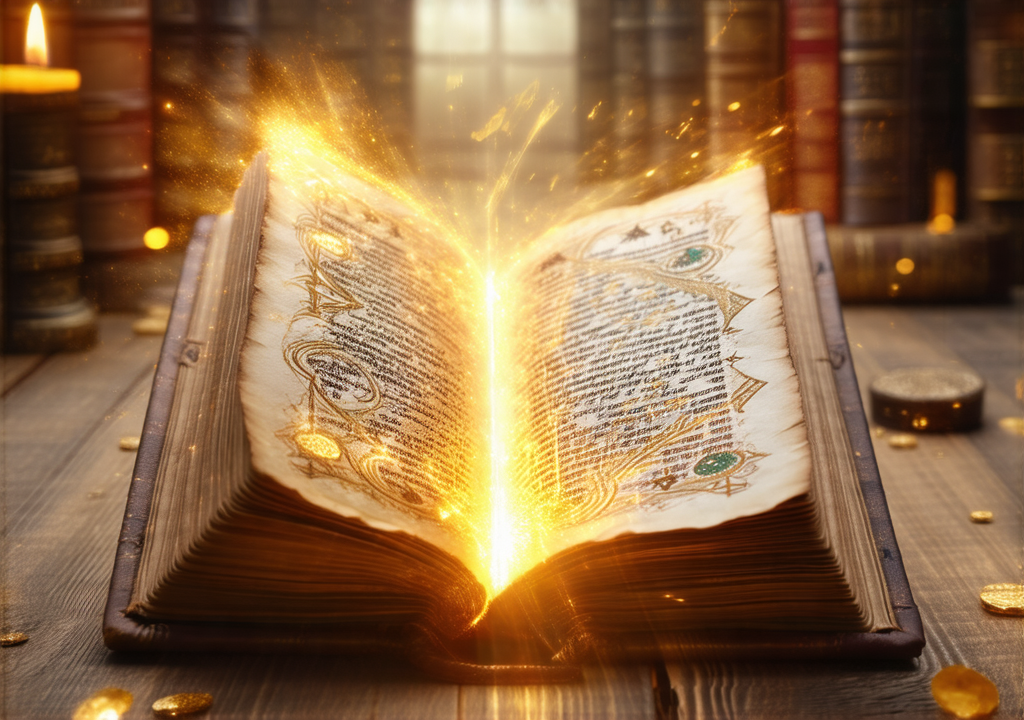
The Complete Book of Dark Spells and Curses has preserved these traditions across centuries because they answer fundamental human questions: Why do some suffer where others flourish? How can we protect ourselves from unseen forces? What happens when our words gain weight beyond mere sound?
As long as there remain things that cannot be explained by ordinary means, so long will the curse endure—and those who understand its nature will continue to wield it with precision and power.


Recent Post

Gallery






Featured Videos






No Comments