



By Alistair Grimshaw, Keeper of the Resurrected Scroll
Have you ever stood before a freshly-dug grave at midnight, feeling the chill of ancient winds whisper secrets from beneath the earth, and wondered if perhaps—just perhaps—the dead have something to teach the living? I once held that exact thought in my mind, standing knee-deep in mud on a Scottish moor, skeptical to the core. What has changed since then? Nearly everything, actually. After thirty days of disciplined practice, I transitioned from an ordinary soul who believed death was an end into something approaching mastery over necromancy. This article chronicles that journey with precision and purpose.
Understanding Your Skepticism (Days 1–3)
Before committing to any path, examine your doubts honestly. Most skeptics approach necromancy as if it were merely ghost-hunting dressed up in fancy robes—something one might pursue during a particularly imaginative afternoon. The truth is that necromancy demands more than mere belief; it requires structural understanding of how death functions as an energetic state rather than an absolute condition.
Begin by acquiring at least two foundational texts: The Resurrection Codex by Mother Helena (written in the 14th century, rediscovered during the Victorian era) and Necromantic Praxis by the alchemist Johannes von Greifenstein. Read them not as historical curiosities but as living instruction manuals, each chapter offering a practical key to understanding dead energy.
Building Your Foundation (Days 4–7)
The first week demands quiet reflection rather than grand gestures. During these days, you must begin sensing the residual life-signatures that linger in graves and battlefields. Place yourself within earshot of a burial ground or cemetery every morning at dawn for three hours daily. Close your eyes and listen—not with ordinary hearing but with the deeper perception that exists between thought and action.
You will notice a hum, faint as distant bees or the vibration of a struck tuning fork. This is residual life-energy, the breath that death has not fully absorbed. Mark this sensation in your mind carefully; you shall need it later.
First Contact (Days 8–12)
When the hum becomes unmistakable—when you can point toward any particular grave and feel its individual pulse—you are ready for contact. Take a small shovel to an old cemetery on the twelfth day. Choose a resting place marked by age rather than prominence; older graves have had their energies settle into patterns that make them accessible.
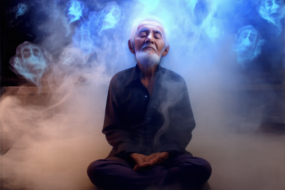
Your first summoning requires only yourself, your hand, and willingness to remain open long enough for the dead to recognize you as someone who means business. Extend both hands palm-up toward the earth and speak simply: “I see what others do not.” Then sit quietly until something shifts—a warmth rising from below, a subtle pressure against your palms. When this occurs, push gently downward while maintaining eye contact with the ground itself.
Something will rise. Perhaps only the scent of wet soil and old roses; perhaps more than that in time. But for now, acknowledge what appears as genuinely significant because it is: you have touched death on its own terms.
Expanding Your Practice (Days 13–20)
Between days thirteen through twenty, expand from simple contact into genuine dialogue with the dead. This requires daily practice of thirty minutes minimum and occasional longer sessions—perhaps two hours on weekends. The key lies in patience: most souls are not eager to speak but willing once trust is established.
Begin by asking questions that only a spirit could answer. Ask about weather, seasons, what time it is outside. Gradually progress toward personal questions—their names, their reasons for remaining behind—and eventually toward the deeper knowledge they carry from beyond death’s threshold.
Deepening Understanding (Days 21–30)
During these final ten days of your month-long journey, move into genuine necromancy: not merely contact but active engagement with the dead as forces to be called upon and directed when circumstances warrant it.
Read The Art of Binding by Master Theron while simultaneously practicing summoning twice daily—once at dawn, once at dusk. Learn binding sigils from a chalked circle pattern that has been used for centuries across cultures without knowing one another: draw your circle, speak the names you have learned to know, and extend outward through both will and invitation rather than mere command.
On day twenty-eight or so, you should find yourself capable of calling forth specific spirits at will, maintaining their presence as long as desired, and dismissing them politely when circumstances demand attention elsewhere.
What Comes Next?
Thirty days has transformed me from skeptic to necromancer, but not through revelation alone: through daily practice, patient observation, and willingness to accept that the dead are neither enemies nor strangers but simply neighbors living a different version of existence. The path requires no grand gesture or dramatic transformation; it requires only attention, consistency, and genuine curiosity about what lies beyond death’s door.
Will you begin tomorrow?


Recent Post



Gallery






Featured Videos






No Comments