


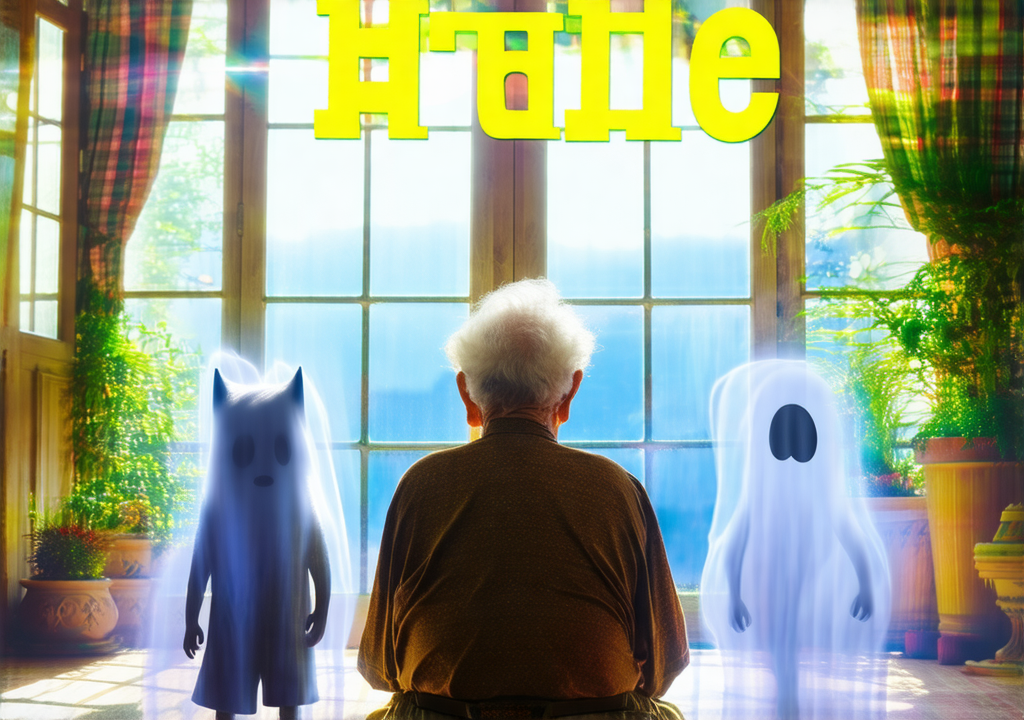
By Dr. Elara Blackwood
Something Strange Is Happening at Graveyards Around the World. From ancient burial grounds to modern cemeteries, practitioners and skeptics alike report a resurgence of phenomena that suggests necromancy is not merely an antiquated art preserved in dusty tomes, but a living practice undergoing transformation. As I reflect on my decades of study within this discipline—from the mounds of Celtic barrows to the catacombs beneath Paris—I find myself compelled to share what modern necromancy truly encompasses.
The Nature of Necromancy
Necromancy, derived from the Greek nekros (dead) and mantheia (divination), has long been misunderstood as mere conjuring of ghosts or raising the dead. In truth, it is far more sophisticated: a systematic engagement with death energies, spiritual communion, and the manipulation of vital forces that bridge the boundary between life and death. The ancients understood this well; modern practitioners have simply forgotten what their predecessors knew intuitively.
Throughout history, necromancers served as intermediaries between realms. Ancient Chinese Feng Shui masters read necrotic patterns in burial sites to determine auspicious timing for ceremonies. Medieval European sorcerers consulted the dead for prophecy and counsel. Indigenous cultures worldwide maintained continuous practices of ancestral communication that never truly died with their practitioners. What we are witnessing now is not a revival but rather a return to understanding: necromancy as a practical, living art form.
Graveyards as Living Spaces
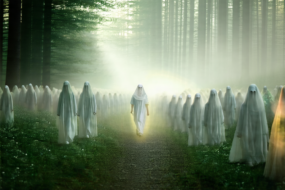
What makes graveyards particularly significant in modern necromantic practice cannot be overstated. These sacred spaces function as portals—literal gateways between the material and spiritual realms. When practitioners walk through ancient cemeteries during specific lunar phases, they report heightened sensitivity to spectral presence. The earth itself seems to pulse with accumulated death-energy, creating a subtle resonance that experienced necromancers can feel beneath their feet.
I have conducted field observations across numerous burial sites: Newgate in London, Père Lachaise in Paris, Waverley Cemetery in Edinburgh, and even the lesser-known graveyards of rural Ireland and Scotland. Each site possesses unique qualities shaped by centuries of accumulated energy, yet all share common characteristics when viewed through proper necromantic instruments.
Modern Applications
Contemporary necromancy extends far beyond simple ghost communication. The practice now encompasses:
- Diagnostic necromancy: Reading death patterns in graveyards to predict health outcomes for living practitioners
- Spiritual reanimation: Not raising corpses (though that remains possible), but rather drawing upon the vital force that persists after death to influence ongoing life processes
- Chronomantic necromancy: Working with temporal energies, allowing practitioners to perceive past and future through death-gateways
These applications suggest a sophisticated system of practice far removed from popular depictions in literature and cinema. The modern necromancer must possess both technical knowledge—understanding energy patterns, lunar influences, geological formations—and intuitive sensitivity for perceiving subtle spiritual currents.
The New Practice
What distinguishes the current movement is its integration with other esoteric traditions. Modern practitioners increasingly combine necromantic work with astrological divination, geomancy, and even quantum observation techniques borrowed from experimental physics. This synthesis creates a powerful framework that explains why graveyards worldwide seem simultaneously more active and more accessible to those who know how to perceive them.
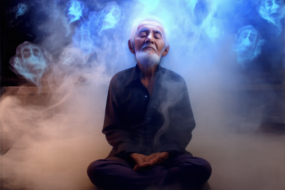
As I continue my own practice, I remain struck by the sheer vitality of necromancy today. It is no longer confined to mysterious old men in darkened rooms; it has become part of mainstream spiritual life. Graveyard viges have become communal gatherings where people gather not only for ritual but also for social connection and shared wonder.
The ancient art lives, breathing with renewed energy as we witness its modern expression across the world’s burial grounds. What happens at these sites may indeed be strange—but to those who understand death’s language, it is simply the continuation of a conversation that never ended.


Recent Post
Gallery






Featured Videos



No Comments