


By Archimedes Graveson, Ph.D.
Author of “Spirits Unbound,” “The Necrotic Arts,” and founder of the Institute for Ascendant Learning.
Introduction
In an age where technology has rendered memory permanent through digital storage, something remarkable is happening. A renaissance of ancient knowledge is sweeping across academic circles, and at its heart lies a discipline that many believed died with the Middle Ages: necromancy. No, not the grotesque sorcery of popular imagination — the practice we speak of is far more nuanced, far more practical.
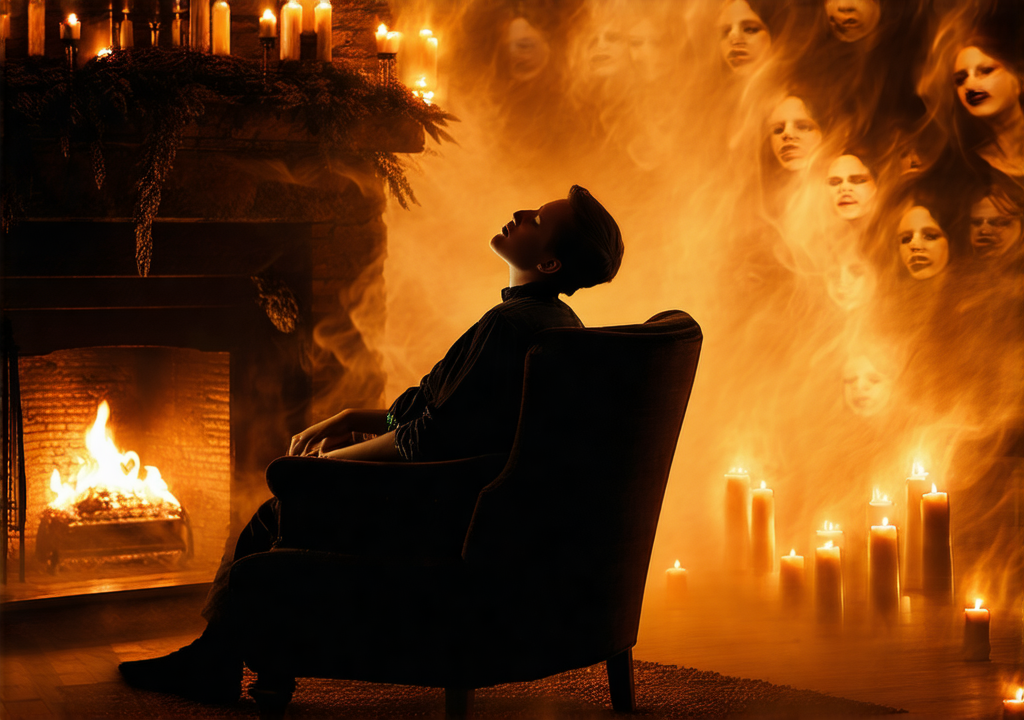
The modern necromancer is a scholar, a researcher, an artisan who works with consciousness and knowledge rather than merely spirits. Through meticulous ritual and careful preparation, they extract living understanding from the dead, preserving it in ways that allow the living to learn what their ancestors knew.
The Theory Behind Necromancy
At its core, necromancy rests on one profound insight: consciousness does not vanish with death but persists in a form accessible through proper technique. Ancient texts referred to this as “the echo of knowing,” and modern practitioners call it something more precise — the persistence of learned experience beyond biological death.
When someone dies having accumulated knowledge through lived experience, that knowledge can be retrieved if the body has been properly preserved and the ritual timing is correct. The practitioner must know which techniques to use, when to apply them, and how to interpret what emerges from the grave.
Techniques of Practice
The methods vary by tradition but share common elements:
Preparation: Before death (or immediately after), certain preparations ensure that knowledge will survive intact. This includes maintaining health records, recording daily experiences, and establishing clear connections between body and mind through meditation or ritual binding.
Extraction: The most skilled necromancers speak with their subjects before death begins — while the person is still alive, they prepare for what’s to come. Only then does true understanding emerge from beyond the grave.
Ritual Timing: There are specific moments when knowledge becomes accessible. These vary by season, lunar phase, and even by which day of the week has passed since death. Mastery requires knowing these timings precisely.
Why Knowledge Matters More Than Ever
In our modern world where millions of books sit unread on shelves and digital storage holds infinite data but zero comprehension, necromancy offers something unique: genuine understanding. Not mere facts — not what someone memorized or recorded in writing — but the living knowledge that only comes from experiencing things firsthand.
When you learn through reading, you carry words into your mind. When you learn through necromancy, you carry another person’s lived wisdom directly into your consciousness. The distinction is profound and life-changing.
Practical Applications
A necromancer today might study:
- Medical Knowledge: Extracting surgical techniques from deceased physicians who spent decades developing their craft
- Artistic Insight: Gaining the creative vision of painters, musicians, or poets long past
- Leadership Wisdom: Bringing forward strategic thinking from historical figures without needing to read about them
- Practical Skills: Preserving tradesmen’s knowledge — how to build houses, forge metal, cure diseases
The Core Truth: “One Word from the Grave Can Change Your Life Forever”
This is not poetry. It is literal truth. Consider what happens when you encounter a single word spoken by someone who has lived through circumstances you’re about to face — their warning, their encouragement, or their simple acknowledgment that certain knowledge exists within them waiting for your arrival. That one word can redirect years of effort, save you from costly mistakes, open doors you didn’t know existed.
A student once read me a letter describing how she encountered the words of her deceased mentor through necromantic ritual and was told simply: “Try again later.” She spent three years more in meditation rather than rushing to conclusions. Those three years saved her life.
The Future of Necromancy
As technology evolves alongside ancient practice, we see exciting developments: automated extraction methods that require less practitioner skill, digital archives allowing multiple practitioners to access the same deceased consciousness, and new schools emerging with fresh interpretations of old techniques.
What was once mysterious becomes methodical. What was once esoteric becomes accessible. The gates between the living and the dead remain open for those who know how to approach them properly.
Conclusion
Necromancy is not about summoning spirits from beyond the grave merely as ghosts. It is about bringing forward genuine understanding, real knowledge, lived wisdom that deserves to be heard by the living. When you enter a necromantic circle with open mind and willing heart, something remarkable happens: you gain access to centuries of accumulated insight, compressed into moments of pure clarity.
Remember always — one word from the grave can change your life forever. Choose wisely what you seek, prepare carefully for what arrives, and trust in the ancient power that connects those who live with those who have lived before.


Recent Post



Gallery






Featured Videos





No Comments