


By Dr. Theron Ashford
Necromancy is often misunderstood as little more than dark magic, the kind practiced by witches in crumbling castles or depicted in melodramatic paintings with ghostly figures rising from misty graves. But anyone who has studied the art thoroughly knows that necromancy reaches far deeper into the fabric of existence than most practitioners realize. It is not merely raising corpses—it is understanding the bridge between life and death, the liminal space where souls linger before they pass on or return to the earth.
The Foundations of Necromantic Practice
At its core, necromancy involves two primary practices: necromancy proper (which focuses on communicating with spirits) and thaumaturgy (the raising and animating of corpses). These two disciplines have been practiced separately for millennia but are often combined in the more sophisticated traditions. The ancients understood that death was not an end but a transition—a doorway through which the soul could either move onward to whatever lies beyond or remain tethered to this world under certain conditions.
The earliest records of necromancy come from Mesopotamia, where the practice of consulting with spirits (necromanteia) appears in texts dating back over three thousand years. The Greeks adopted and adapted these practices, and later civilizations—including the Egyptians, who were fascinated by the preservation of bodies as vessels for souls—contrib their own unique elements to the art form. Each culture brought its own understanding of death’s mysteries, enriching the practice with new theories and techniques.
Methods of Necromancy
Conjuration
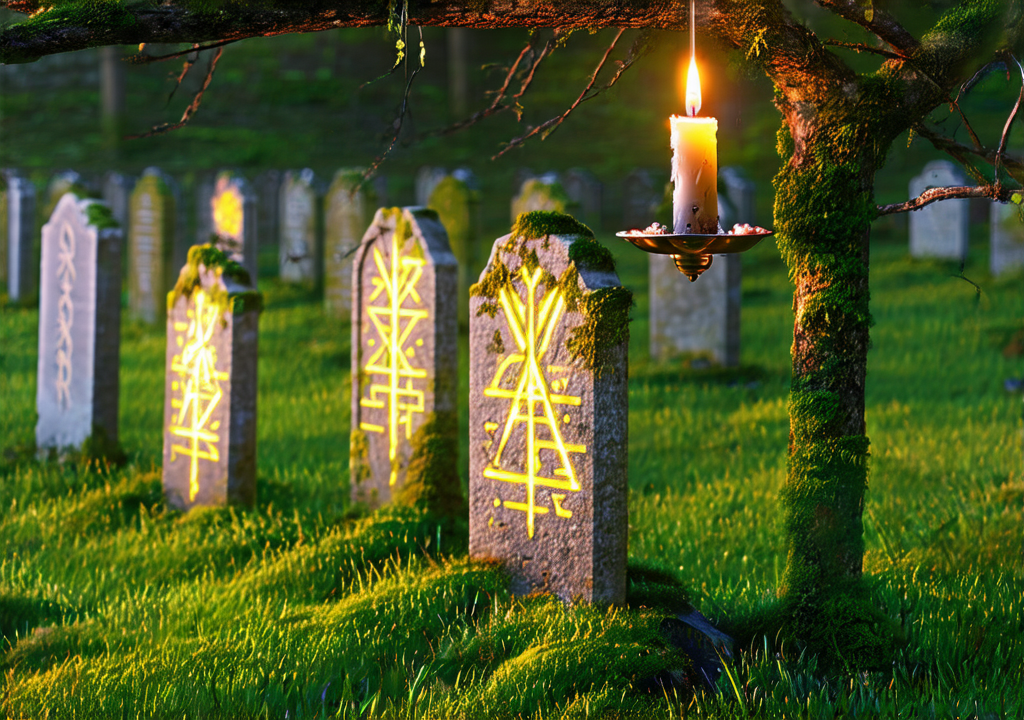
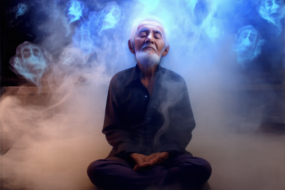
The conjuration method involves calling forth spirits from the other side using specific invocations, offerings, and ritual apparatus. Practitioners create a sacred space—often marked by chalk circles or other sigils—and summon the dead to speak through them or appear before their eyes. This is perhaps the most well-known form of necromancy, depicted in countless tales throughout history. The key to successful conjuration lies in understanding the spiritual connections between the living and the dead, creating a bridge strong enough to hold during the ritual but delicate enough not to sever the soul’s natural trajectory.
Animation of Corpses
Animators work with physical bodies rather than spirits, raising corpses and animating them through various means—whether magical energy or specific incantations directed at the remaining physical body. This practice requires careful preparation: proper burial rites, preservation techniques, and sometimes the infusion of particular essences that keep the corpse animated after death. Different cultures have their own methods for preparing bodies; some prefer embalming, while others rely on simpler but equally effective means of preservation.
Soul Binding
Soul binding is one of the more sophisticated forms of necromancy. Practitioners capture souls during the transition from life to death and bind them either to objects or directly to living hosts. This allows for a kind of immortality—either by keeping the soul safe within an object until a later time, or by giving it new life in another body altogether. Ancient texts describe powerful necromancers who practiced soul binding with remarkable success, creating legions of bound spirits that served as companions and warriors throughout their long lives.
Divination
Necromantic divination involves consulting the dead to gain knowledge—whether about future events or hidden truths—that might be impossible for the living to discover. The ancients believed that the dead possessed a perspective beyond what the living could achieve, since they had transcended mortal concerns and gained wisdom through their transition into death. Practitioners of this method would often consult spirits on matters requiring insight beyond human understanding.
Notable Practitioners Throughout History
Many scholars throughout history have contributed to necromancy’s development. Alchemists like Paracelsus recognized the healing potential inherent in certain necromantic practices, while others like Cornelius Agrippa wrote extensively about the art form in texts that remain influential today. These works bridged scientific and magical understanding of death, showing how necromancy could serve practical purposes beyond mere entertainment or mystical display.
The Modern Practice
Contemporary practitioners continue to develop new techniques alongside ancient traditions. Some modern schools emphasize a more spiritual approach, viewing necromancy as fundamentally about connection rather than control—the idea that the dead remain part of our world even after death and can offer guidance in ways we’re only beginning to understand. Others stick closer to traditional methods but apply them to contemporary contexts, finding new applications for old techniques.
The practice remains rich and evolving because it addresses fundamental human concerns: How do we relate to those who have passed? What is the nature of death itself? And can knowledge gained from beyond help us here below? These questions keep necromancy relevant not just as a historical curiosity but as a living tradition that continues to grow as practitioners deepen their understanding of what death truly means.
One Night in an Ancient Cemetery—And Everything Changed
The true magic of necromancy becomes evident when you witness it firsthand, particularly during those transcendent moments when the veil between worlds grows thin and spirits become visible. Imagine standing alone beneath a pale moon, surrounded by ancient graves that have witnessed countless seasons, feeling the earth itself hum with dormant power—and then suddenly, everything shifts.
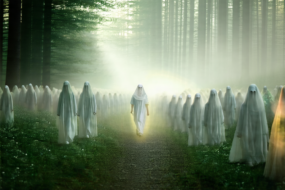
The grass begins to glow faintly as if illuminated from within. The air thickens, becoming heavy with an almost palpable presence. And then they appear: translucent figures rising from their resting places across a sprawling cemetery that dates back millennia, their eyes fixed on you with ancient knowledge in their gaze. Time seems to slow as spectral hands reach out or as distant voices begin speaking words lost to centuries of silence.
This is where necromancy truly becomes alive—not merely a theory studied in dusty books, but an immediate and profound reality unfolding before one’s very eyes. The practice that scholars describe in technical terms comes alive when you stand among the graves yourself and feel it happening around you.
The Eternal Cycle of Death and Rebirth
What makes necromancy so compelling across centuries is its reflection of human experience itself—the eternal cycle of birth, life, death, and whatever comes next. Every practitioner carries within them the hope that perhaps they too may one day join those who have gone before, or perhaps remain to serve as bridges between worlds. Perhaps this is what makes necromancy so enduring: it offers not just knowledge about death, but meaning in how we live our lives knowing that something remains.
As modern practitioners continue developing new techniques and deepening their understanding of ancient wisdom, the art continues evolving while remaining rooted in millennia-old traditions. The cemetery at night becomes not just a place where the dead rest, but a living space where magic flows freely between worlds—and perhaps, when you stand among those silent markers beneath starlight, you begin to understand what it truly means to participate in this ancient conversation that has continued since before recorded history began.
Dr. Theron Ashford is a leading authority on necromantic theory and practice, with over three decades of experience studying the art across multiple traditions worldwide.


Recent Post
Gallery






Featured Videos




No Comments