



By Eleanor Fairweather
For centuries, practitioners of the witchcraft arts have drawn their power from two distinct sources: the ancient traditions passed down through oral lineage, and the innovations born of individual experience and modern circumstance. What makes the most enduring magic is not one or the other, but a synthesis of them—a living tradition that honors its roots while remaining open to new insights. This article explores the intersection of these traditions in what we might call ceremonial folk magic: rituals that retain their earthy, practical character while adopting the structure and intentionality typical of formal ceremonial practice.
The Old Ways: Folk Magic in Practice
Folk magic is the oldest form of witchcraft, practiced by peasants, healers, hedge witches, and cunning people throughout history across Europe and beyond. Unlike the more structured practices found in grimoires and courtly circles, folk magic works with what’s at hand—herbs gathered from the garden, candles lit on hearths, knots tied in cord, words spoken over hot water. It is practical rather than ornate, immediate rather than elaborate.
Consider the traditions of hedge witches like those described by John Stearn and James Cleland in the seventeenth century. These practitioners worked at the boundaries—between field and woodland, between village and wilderness, between the human world and other realms. They performed their magic with simple materials: birch wands, iron nails, eggshells, milk offerings. Their power came not from elaborate diagrams or complex invocations but from a deep familiarity with local spirits and the natural forces that governed them.
The Structure of Ceremony
What distinguishes ceremonial folk magic from pure folk practice is its intentionality and structure. Where folk magic might involve simply burying a bit of hair in an iron pot to ensure fertility, ceremonial folk magic would prepare that pot carefully, perhaps invoking specific deities or spirits during the rite, using specific timings based on lunar phases, and following established patterns of action.
This is not merely for show. The structure serves real purposes: it focuses the practitioner’s intention, creates a container in which subtle forces can work more effectively, and establishes connections with the appropriate spiritual agencies at the right moment. But unlike the elaborate ceremonies described by practitioners like Heinrich Cornelius Agrippa or Dr. John Dee, ceremonial folk magic remains accessible, requiring only modest preparation rather than vast libraries of tools and texts.
A Working Example: The Candle Blessing
Let us consider a concrete example that demonstrates both old ways and new power in practice. The blessing of a home with candles is one of the oldest folk practices known to witchcraft, documented from medieval Scandinavia through Renaissance England and beyond. Traditionally, this involved carrying special candles around rooms while reciting prayers or blessings, leaving them burning overnight.
But what if we approached this ritual ceremonially? Consider the following: choose a time when candle flame is believed to be particularly active—perhaps during a waxing moon, perhaps on a specific day of the week. Prepare three beeswax candles marked with symbols relevant to your purpose (house protection, health, or plenty). Light them in sequence, carrying each from the outer boundary inward, speaking specific words as you go. After each candle is lit, observe its flame carefully; some traditions suggest that how it burns indicates whether the blessing has taken hold properly.
This remains simple folk magic—you have candles and a house—but the deliberate structure raises it into ceremonial practice. You are not merely following tradition; you are engaging with intention, observation, and relationship to the forces you invoke.
Tools of Ceremonial Folk Magic
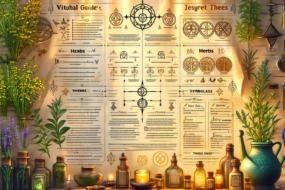
The tools of ceremonial folk magic need not be elaborate, yet they should be chosen with care. Essential items include:
- Candles: beeswax preferred for their purity, colored according to purpose
- Herbs and roots: gathered from local sources where possible, dried or fresh depending on the rite
- Chalk or charcoal: for marking boundaries and inscribing symbols on surfaces
- Salt and water: basic elements used widely across folk traditions for purification
- A small mirror or smooth stone: to serve as focus points during ritual work
- Basic tools: an athame, wand, pentacle, and bag for those who prefer a formal setup
What distinguishes these from the tools of high ceremonial magic is their accessibility. You need not have expensive crystals or rare herbs; what matters more is that they are chosen carefully, cleansed if necessary, and used with understanding rather than mere habit.
The Living Tradition
One of the greatest strengths of ceremonial folk magic lies in its living character. It does not demand adherence to a single tradition or authority; it grows from local knowledge, personal experience, and careful observation. Practitioners today might draw on Celtic traditions for some aspects, Egyptian for others; they might incorporate modern insights about energy work alongside older practices; they might write their own rituals based on genuine folk patterns rather than copying elaborate grimoire texts.
The key is to remain rooted in what works while allowing the practice to grow. Those who only copy past forms risk creating dead traditions; those who abandon all tradition lose touch with centuries of accumulated wisdom. The ceremonial folk magician walks a middle path, bringing both reverence and vitality to the work.
In Conclusion: Why Ceremonial Folk Magic Matters Now
In an age of information overload and rapid change, ceremonial folk magic offers something valuable: a way of working that honors both continuity and innovation, both simplicity and depth. It does not require vast resources or extensive study but asks for attentiveness, regular practice, and genuine engagement with the forces you work with. Whether your interest lies in protection, healing, divination, or simply creating sacred space within daily life, ceremonial folk magic provides a path that is both accessible and profound—a truly old way, newly understood.


Recent Post


Gallery






Featured Videos




No Comments