


By Dr. Elara Voss, Chair of Thaumaturgical Studies at the University of Arcanum
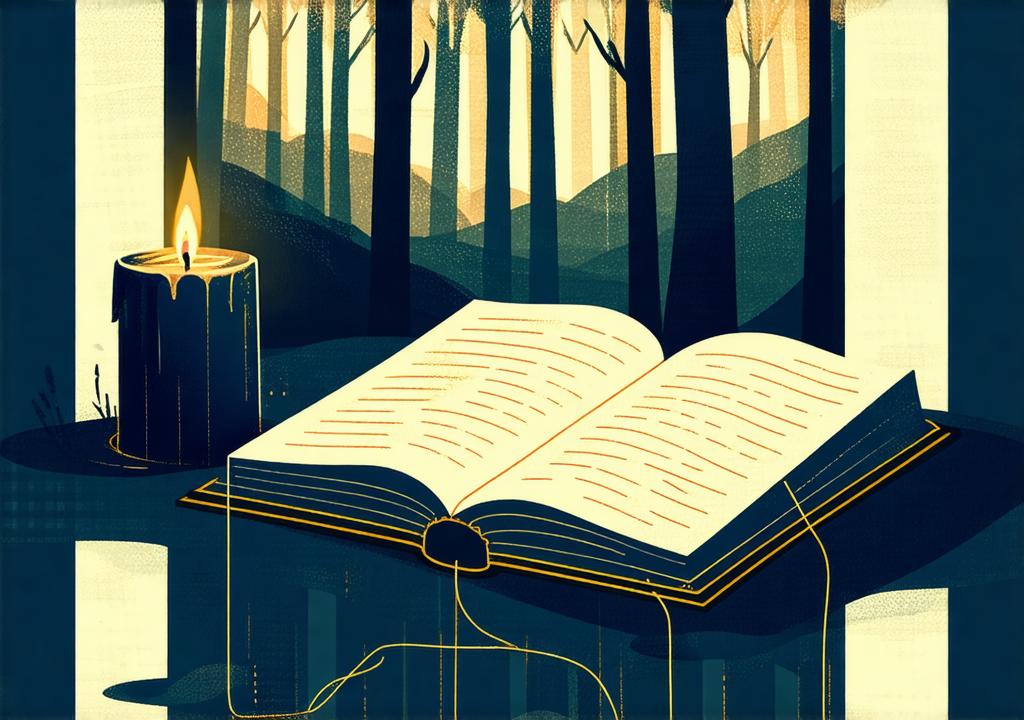
When most people hear the word “necromancy,” they picture a dark tower where a witch raises corpses with flickering candles and strange incantations. They picture graveyards, ghastly figures emerging from the earth, perhaps a few bats fluttering overhead for dramatic effect. But this popular conception of necromancy is fundamentally mistaken. It isn’t dark magic at all—it’s one of the most elegant and life-affirming magical arts known to humanity.
Necromancy derives not from death itself, but from memory. The word comes from the Greek “nēmos” (soul) and “manteia” (divination), a term originally used by Homer to describe consulting the dead in their underworld realm of Hades. In early human cultures, the dead didn’t simply vanish—they persisted in some subtle form, continuing to influence the living through dreams, signs, and memories preserved within them. Necromancy is the art of accessing those enduring essences and using their accumulated wisdom to benefit the living.
The Misunderstood Arts of Necromancy
Consider burial practices across cultures: we bury our dead not because we wish to abandon them, but because we believe they endure in a meaningful way. We visit cemeteries, place flowers on graves, read letters from departed loved ones, and speak their names aloud. All these actions are fundamentally necromantic—they seek connection with those who have died.
The most commonly misunderstood aspect of necromancy is its supposed relationship to darkness. While it is true that many practitioners prefer the quiet hours between midnight and dawn for their rituals, this preference reflects the meditative quality of stillness rather than any inherent malevolence in time itself. Darkness permits better concentration on subtle things—the sort of things we might miss in daylight’s clamor.
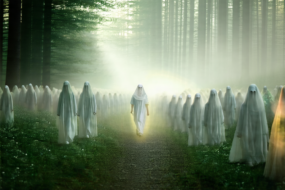
In classical texts, necromancers did not raise the dead as mindless thralls or servants bound by chains and compulsion. Rather, they communed with souls seeking guidance—ancestors offering advice to descendants, heroes returning from death to counsel on matters of state, great warriors sharing battle strategies with those who still live. The Necromanticum tradition of the early Renaissance taught that a good necromancer should be more like a host in a gathering than a master commanding servants.
Necromancy as a Life-Affirming Art
The greatest practitioners of necromancy throughout history have been those who viewed death not as an end but as transformation—a transition from one form of being to another, and possibly beyond. The art presupposes that what we call death is merely a shift in how souls manifest themselves: they become less visible, more subtle, capable of different kinds of contact with the living world.
When a necromancer consults the dead for counsel (as was practiced by the Oracle of Delphi’s lesser sisters before her), the purpose is not to summon ghosts but to access the enduring knowledge contained within them. The soul persists beyond death; it carries memories, skills, and insights that can be drawn upon by those who know how to reach it.
This makes necromancy fundamentally a medical art as well—a healing discipline. Before physicians learned modern methods of examining the body’s humors, they used necromantic divination to determine whether illnesses were caused by spiritual disturbance or physical imbalance. Many famous healers were necromancers: Galen consulted with spirits in his youth; Paracelsus treated patients through nocturnal visions sent by departed masters.
The Practical Applications of Necromancy Today
Modern necromancy extends far beyond graveyards and candlelit chambers. Consider these practical applications:
Divination: A diviner reads subtle patterns in the air, earth, or water to determine future events. This practice dates back to early civilizations where people believed that spirits could communicate through natural phenomena—the flight of birds, the ripples on a pond’s surface, the fall of lotus leaves. Divination remains relevant today when one needs guidance before significant decisions.
Healing: The ancients believed that illness often results from spiritual disturbance—either from an imbalance in one’s own soul or from contact with malevolent spirits. Healing rituals involved both medical treatment and necromantic consultation, calling upon ancestral spirits to restore the body’s natural harmony. Many traditional healers still use these methods alongside modern medicine.
Protection: Protective wards against evil influence have been practiced since ancient times. These were not merely charms or amulets but carefully arranged configurations of earth, water, fire, and air designed to create boundaries that spirits would respect. The art of warding remains valuable for those seeking protection from spiritual influences during vulnerable periods.
Communication: The dead persist in various forms—some remain connected to their earthly lives through memory, others transition into different states entirely. Necromantic practice allows the living to maintain relationships with departed loved ones across death’s boundary. This is not mere superstition; it’s a genuine form of ongoing communion between people who have died and those still alive.
Common Misconceptions About Necromancy
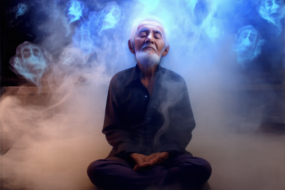
Many people believe necromancers raise corpses or speak directly with ghosts in full conversation—but this reflects only one aspect of the practice. The “raising” was typically more metaphorical: bringing souls into consciousness so they might communicate, not resurrecting bodies for eternity. And while some cultures did use actual corpses as mediums (particularly in early medieval practices), most necromancers worked primarily through dream-vision or meditation rather than physical resurrection.
Another misconception involves power: necromancy is often thought of as a powerful magic reserved for great sorcerers, but it’s actually quite accessible. Anyone can learn to consult the dead; it requires patience, sensitivity, and practice more than raw magical energy. The best practitioners are often those who have cultivated their own inner stillness rather than those with vast stores of accumulated power.
Why Necromancy Endures
Necromancy endures because it addresses something deeply human: our need to maintain connection across death’s boundary, our desire for guidance from those who came before us, and our confidence that the living world is not separate from but continuous with whatever lies beyond. It’s an art that affirms life while acknowledging death—not fearful of mortality but respectful of its meaning.
The truth about necromancy is not found in dark towers or graveyards—it’s found whenever someone pauses to listen for their grandmother’s voice in a dream, when they place flowers on a grave and feel something respond, when they consult an elder’s wisdom before making a difficult decision. These are all acts of true necromancy: the living consulting with those who have died, seeking counsel, protection, healing—and finding it.
Necromancy isn’t dark magic at all—it’s one of humanity’s oldest and most enduring arts, connecting us across death’s boundary while affirming that life persists in forms we continue to discover.


Recent Post
Gallery






Featured Videos




No Comments