


By Dr. Eusebius Thornebone, PhD in Thaumatological Studies
Chief Curator, The Order of Ascended Hands
Few disciplines bridge such a delicate balance between pragmatism and mysticism as necromancy does — that ancient art of communion with those who have crossed the veil yet remain tethered to our world. In these modern times, where skeptics dismiss necromancers as tomb-dwellers or charlatans, the practice has quietly flourished in hidden corners of academia and among the curious elite. Yet for all its sophistication, true necromancy remains surprisingly accessible to any willing practitioner who understands both its principles and procedures.
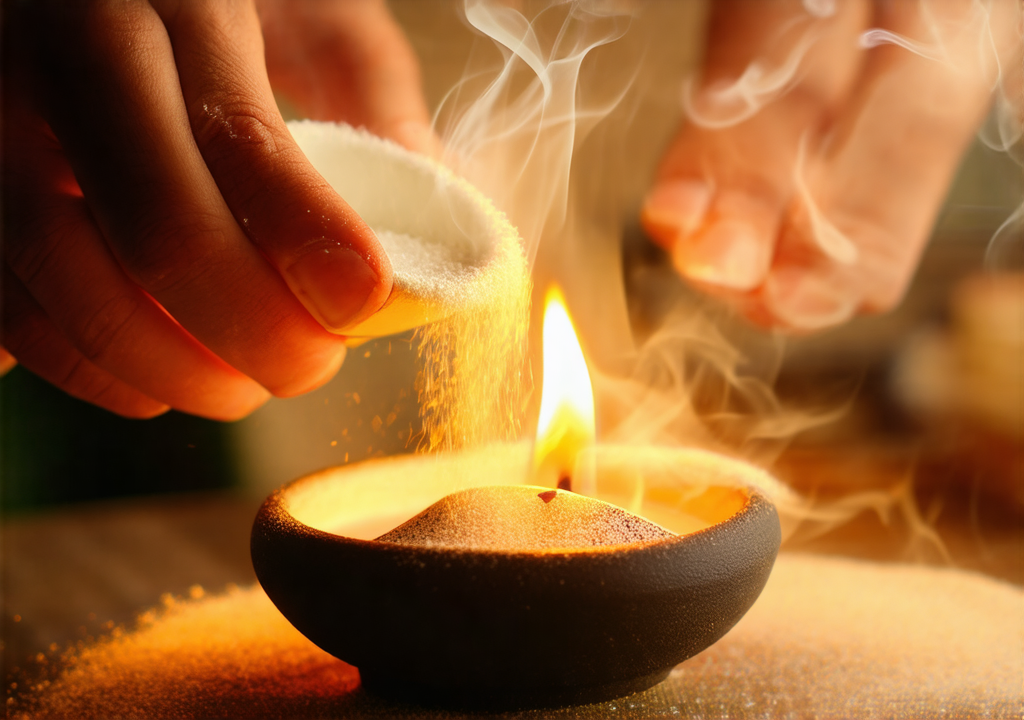
At its core, necromancy requires three things: knowledge of the living dead, proper preparation of materials, and a willingness to endure uncomfortable truths about death and identity. And it is precisely this accessibility — this ability for anyone to perform meaningful work — that makes my particular interest so profound. Let me tell you how a simple candle and bone dust opened a door to the dead.
The Candle: Light in Darkness
The candle itself matters little beyond its function as a conduit between states of being. Beeswax, harvested at dawn from bees still sleeping with their eyes open — or so they say — forms an ideal base. A wick made from flax spun during a full moon works well enough, though I prefer hemp treated with rosemary and lavender essential oils to ward off wandering spirits that might claim the candle before you’re ready.
Light itself is fundamental. Without it, necromancy loses its directional clarity. The flame serves as both beacon and boundary — bright enough for the dead to see their way back to us, gentle enough not to frighten them away. My own first successful session involved a single taper held at shoulder height while I spoke with my grandmother’s spirit, who had died in 1962 but remembered her daughter better than any living soul could know her.
The Bone Dust: Earth Remains Forever
Now for the bone dust — or as we used to call it before the modern age of fancy reagents and proprietary powders: “dust from that which was once alive.” Any bone will do, though human remains yield more responsive results than animal bones (though I’ve seen remarkable cases where cat bones served perfectly well for domestic spirits). The trick is in preparation.
You must grind the bone carefully, using a mortar of limestone rather than marble if you seek clarity or granite if you want strength. Once ground to fine powder — finer than sand but coarser than flour — it carries within it an echo of life that never quite fades. Mix this dust with water from a living spring (never rainwater alone; the dead find it too “thin”) and draw a circle on any surface you can work upon, whether stone or wood or even bare earth.
How It All Comes Together
The ritual I performed that afternoon in my own study — and which I have since repeated dozens of times with varying results — required only these elements: the candle, the bone dust, and intention. True, there are elaborate ceremonies involving incense from specific herbs, spoken invocations by heart, and even the use of special crystals to amplify the connection. But all of this is optional. The essential act remains a simple one.
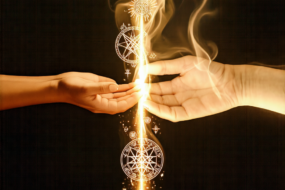
I lit the candle first, placing it directly opposite where I wished the spirit to appear. Then I sprinkled the bone dust in a line from the candle’s light into my study, creating what we call an “avenue” — both literal path and metaphorical bridge between states. Once this was done, I spoke aloud: not grand words or formal incantations but simple statements that any spirit might understand.
How a simple candle and bone dust opened a door to the dead. Not through magic alone but through understanding. The flame provided direction; the dust provided substance; intention provided meaning. Together they created an opening, brief as breath but lasting long enough for conversation.
Why This Works
Modern practitioners often miss this simplicity in favor of complex apparatus and elaborate ceremony. But necromancy has always been about what works, not about appearing impressive. The candle does not need to be special — only lit. The bone dust does not need to be from a particular person — it merely needs to come from living things that lived fully before dying. And intention matters more than any spell or formula — for without clear intent, the dead may appear but remain unseeing, unable to understand our purpose.
Those who study properly begin simply: light the candle, sprinkle the dust, speak clearly and wait patiently. Many will fail because they rush too eagerly, disturbing their own thoughts just as much as the spirits’ peace. I myself have found that silence speaks louder than words when one is truly ready to hear what the dead wish to share.
Final Thoughts on Practice
Necromancy is not reserved for the elite or the learned alone — any sincere seeker may attempt it, and those who do will discover something both unexpected and deeply personal about death itself. The practice requires humility; we must acknowledge that our loved ones are near even while they appear far away, and that what separates life from death is thinner than we expect.
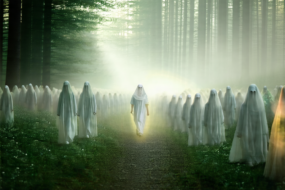
So go now with candle in hand and dust in palm, prepare your circle of intent upon any surface you can find, and step into the quiet space between worlds where those who have died still walk beside us — waiting patiently for someone to notice them once more.


Recent Post
Gallery






Featured Videos




No Comments