


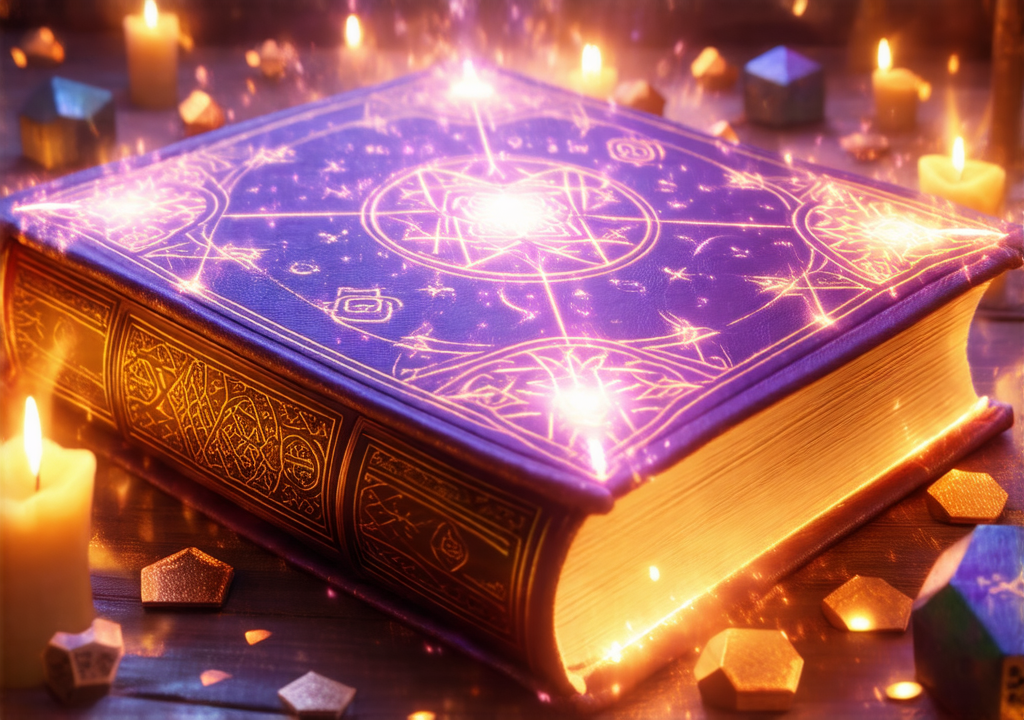
By Elara Thorne, Author of The Enchanted Age and Curator of the Grimoire Society
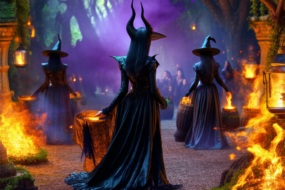
Long before magic entered the public consciousness through bestselling novels, streaming series, and social media feeds, there was only the whispering kind—the old tales told by grandmother’s bedside lamp. Witches in pointed hats cast hexes from behind their cauldrons; curses found new victims with a flick of the wrist. But step into any modern witchcraft shop on a Tuesday evening, or scroll through TikTok to see how many thousands of people light candles for protection every night, and you will find that fairytale magic has stepped out of its pages and settled into ordinary lives.
What Exactly Is Witchcraft?
Witchcraft is not an invention of the twenty-first century. It is one of humanity’s oldest practices—older than written language itself—and yet it has evolved alongside us. Modern witchcraft blends ancient traditions with contemporary understanding, offering practitioners a way to connect with nature, ancestors, and unseen forces in ways that resonate deeply today.
A modern witch might be anyone: a software engineer who takes the time to honor each full moon; a teacher who uses crystals during meditation; an artist who reads tarot cards before beginning each new project. The practice does not require special bloodlines or inherited grimoires. What matters is intention, study, and a willingness to see the world as more than what meets the eye.
The Curses of Old Speak to Modern Hearts
When people think about curses, they think of medieval tales—of evil sorceresses pointing fingers at peasants and watching them wither away under their spells. But curses are not simply ancient history; they live on in our language (“curse you,” “get cursed,” “under a curse”), in our superstitions (walking beneath ladders, breaking mirrors), and in the way we still feel that gut-level shift when something goes wrong after a certain action or statement.
A true curse—whether spoken aloud or cast silently through intention—is an expression of will aimed at another being or circumstance. The word itself comes from Old English cræsan, meaning “to destroy” or “to diminish.” Over centuries, curses have taken on many forms: the verbal hex that accompanies a final argument; the written curse placed upon enemies in ancient times; the modern-day digital hex sent through text messages or social media posts.
But here is where things get interesting. Modern witches do not cast curses from malice alone. They also cast blessings, protections, and spells of healing, of growth, of transformation. A curse need not be evil—it can simply mean a change. And in an age where we are surrounded by constant change, the old arts feel more relevant than ever.
Hexes, Spells, and Everyday Magic
The word hex originally referred to six—sixness as a numerical concept—but over time it came to describe any magical formula or spell (hence hexagon, hexagram, hexameter). In modern usage, we often use “hex” loosely as a curse, but technically a hex is any enchantment. This distinction matters.
Consider the following: when you set your intention before brewing tea and then drinking it with gratitude, that too is a kind of hexing. When you light candles to attract good fortune on Friday evenings, you are participating in practices that date back centuries. When you say “I banish this day’s worries” at midnight, you are performing an act that witches have performed since before written records.
Modern witchcraft does not demand ancient knowledge—it demands presence. It asks us to pay attention. To notice the small things—the bird arriving at the window, the sudden scent of rain before it falls, the feeling of warmth when something is truly right with the world. Those are the signs that magic works—not because we see dragons or hear thunder from a cauldron—but because our senses have been attuned to see what was always there.
Witchcraft in Modern Life
In 2025, witchcraft has become part of everyday life. People buy crystals online during lunch breaks; they attend moon ceremonies at community centers; they study tarot decks while waiting for their morning coffee; they perform smudging rituals in small apartments in cities where there is no land on which to grow herbs.
But the most significant thing about modern witchcraft is not its visibility—it’s that it has become personal. Each person can find what works for them, combining elements from different traditions and creating practices that feel authentic rather than borrowed. The result is a rich, diverse tapestry of beliefs and practices stretching across continents and cultures.
Why Witchcraft Endures—and Thrives
Witchcraft endures because it addresses fundamental human needs: the need to understand ourselves; to connect with each other; to find meaning in ordinary life; to feel that we are part of something larger than our daily routines. It provides ritual, yes—but more importantly, it offers a way of being in the world that honors mystery without demanding proof.
Modern witchcraft is not about escaping reality but deepening your relationship with it. When you cast a spell, light candles for protection, or perform smudging rituals to cleanse your home, you are participating in practices that connect ancient wisdom with modern life. Whether you believe magic exists as something outside yourself or as something inside—the power of intention, the force of focused attention—you will find that witchcraft offers a way of living that honors both reason and wonder.
So yes—curse away if it pleases you. But also, light your candles; read your tarot; breathe deeply when the wind changes direction; notice how magic happens in every ordinary moment when you are paying attention. The fairytale world has been real all along—it was simply waiting for us to recognize it.


Recent Post
Gallery






Featured Videos




No Comments