


By Morgana Blackthorne
In an age where modern life accelerates beyond recognition, there remains something profoundly grounding about the ancient practices that have sustained humanity since before written records began. These rituals—handed down through generations of wise women and cunning folk—carry within them patterns as old as the hearth fire itself, their efficacy proven not by faith alone but by centuries of consistent practice.
The Nature of Folk Rituals
Folk rituals differ from formal religious rites in several key ways. They are typically rooted in practical concerns: protection of the home, fertility of crops and livestock, healing of body and spirit, and the turning of seasonal wheels. Unlike elaborate theological systems built upon scripture, folk traditions spring directly from observation of nature’s rhythms—witnessed by grandmothers who watched their children’s health improve when they followed the old ways, or farmers whose harvests prospered after performing the rituals their ancestors had kept secret.
What makes these practices enduring is not mysticism for its own sake, but rather a practical wisdom that has survived because it works. When a community repeatedly performs certain rites and sees tangible results—a healing, a protection from storm, a successful hunt—the ritual becomes embedded in collective memory. The knowledge passes from generation to generation until the original reason may be forgotten, yet the practice persists with unbroken continuity.
Three Pillars of Ancient Efficacy
Ancestral Continuity: Perhaps no element strengthens a folk ritual more than its unbroken lineage. When you light a candle for protection according to the methods your grandmother used, and her mother before her, you are not merely performing an act—you are participating in a chain stretching back into living memory. This continuity carries weight. It provides context that modern practitioners often miss when they adopt new practices without ancestral grounding.
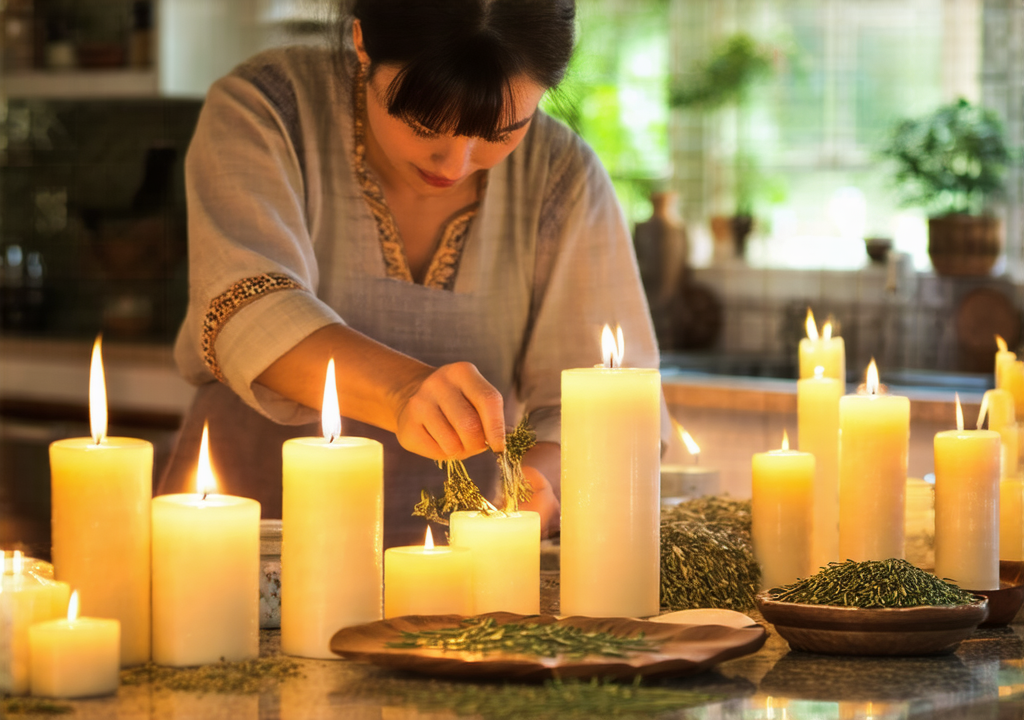
Practical Application: Folk rituals demand participation rather than passive belief. They require the practitioner to engage with natural elements—earth, water, fire, air—and with the materials at hand. Whether binding herbs into a charm or casting lines upon water, these rituals work precisely because they ask something of the participant: effort, attention, and willingness to follow instructions passed down through centuries of trial.
Seasonal Alignment: Most folk rituals synchronize with natural cycles—the solstices and equinoxes being primary markers. This alignment is not arbitrary but represents a fundamental principle: human activity should harmonize with the rhythms of nature itself. When you perform ritual at the proper time, you are working with these larger currents rather than against them, amplifying your intention through participation in something greater than yourself.
Rituals That Endure Through Time
The rituals worth examining are those that have persisted across centuries because they address universal human needs. The house blessing—sprinkling holy water while walking from room to door—has protected dwellings since the earliest days of hearth and home. The binding spell, which involves tying or knotting with intention, remains as effective today as when it was first practiced by mothers protecting children against illness or harm.
Even more remarkable is how folk rituals adapt while maintaining their essential character. A modern witch might use a smartphone to remember the proper lunar timing for planting and harvest blessings, yet still follow the same patterns her grandmother followed in a different age with no technology at all. This is the secret of enduring tradition: it adapts without losing its soul.
Practical Steps Toward Participation
To begin participating in these ancient ways, one must first become familiar with seasonal markers and local traditions. Visit old churches where folk customs survive alongside formal liturgy. Speak with elders who remember grandmother’s remedies and grandfather’s protective charms. Keep journals of your own practice, noting what works and what doesn’t. Try the binding spell for protection during a difficult season. Light candles on appropriate nights. Gather herbs according to traditional lunar timing.
The key is persistence—returning again and again to these practices until they become part of daily life, no longer something done as ritual but simply living according to the rhythms that have sustained humanity since before recorded time began. When you do so, you enter into a conversation with centuries of practitioners who knew what we have forgotten: that wisdom is not found in books alone, but in doing, remembering, and continuing to do as those who came before us have done for generations.


Recent Post



Gallery






Featured Videos






No Comments