


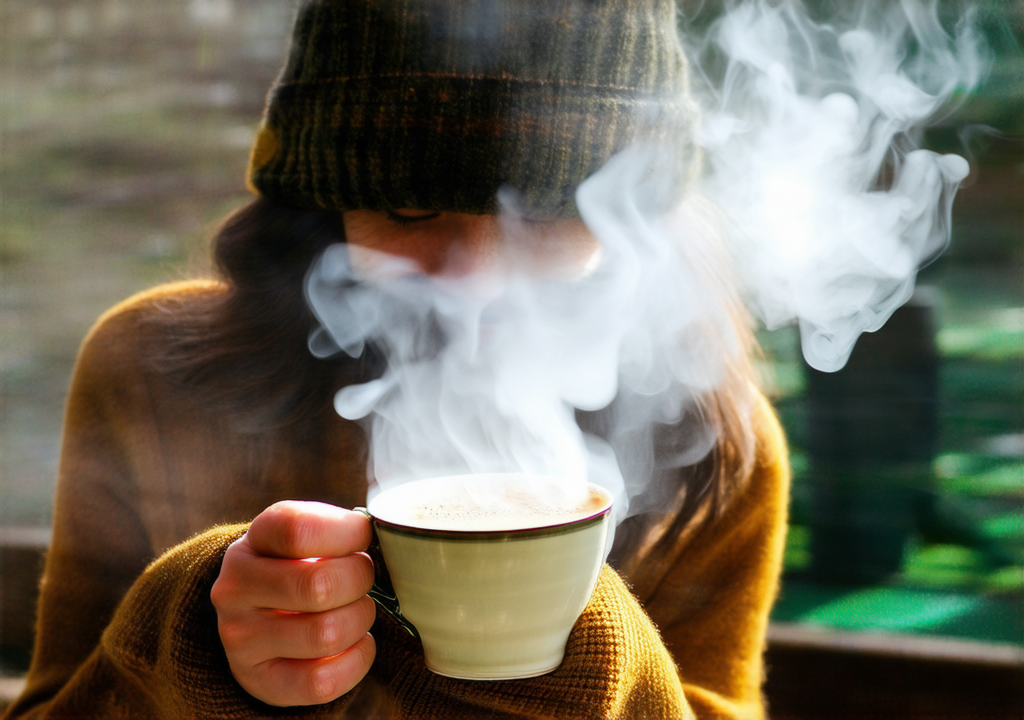
The Ritual Mind: Why Modern Witchcraft Is Making a Comeback
By Elara Voss
Ceremonial witchcraft is having a moment—and it’s more than just aesthetic appeal. Behind the Instagram photos of athanors and altar spreads lies an ancient system that predates the modern era by centuries, one rooted in the deliberate shaping of reality through ritual, intention, and symbolic action. While folk witchery tends toward the practical—binding spells for lost items, hedge wickery for protection—ceremonial witchcraft operates on a grander scale, drawing from Hermetic tradition, ceremonial magic, and the rich tapestry of Western esoteric practice.
It’s not surprising that this tradition is flourishing in our modern world. People seek patterns, meaning, and tangible spiritual experiences amidst the chaos of daily life. Whether you’re drawn to the precision of Qaballah or the warmth of candle magic, there’s a place for you in the craft—though some individuals seem born into it rather than having learned it later in life.
7 Signs You’re a Natural Born Ceremonial Witch
If you’ve ever wondered whether your interest in witchcraft is genuine or merely fashionable, consider these telltale signs:
1. You Feel Unsettled by Open Doors and Unlocked Windows
You don’t necessarily believe in ghosts or spirits in the literal sense, but something about open thresholds unsettles you. A door left ajar feels less like an invitation than an exposure—like the veil between worlds has thinned without your consent. You instinctively close doors behind you, especially at night.
2. Symbols Speak to You Before Words Do
When you encounter a pentagram on paper or a sigil etched into wood, something clicks internally. Where others see decoration, you perceive meaning—ancient, resonant meaning that reaches beyond language itself. You find yourself drawn to glyphs without knowing why they make your pulse quicken.
3. You Have Rituals That You Can’t Explain
You don’t know why certain practices feel essential—why you burn incense before beginning any significant work, or why you must light candles in a specific sequence before casting. Your grandmother may have told you to do these things; you may have discovered them independently—but they are yours, and abandoning them feels like stepping outside yourself.
4. You Remember Things That Haven’t Happened Yet
Not quite precognition—not exactly intuition—something subtler. You catch yourself thinking: I’ve already had this experience. Moments arrive and feel like returns rather than firsts. Whether memory or anticipation, something inside you recognizes patterns before they unfold.
5. The Elements Feel Familiar
When you stand near water, fire, earth, or air, something shifts. Not every moment, but enough to notice. You’ve probably felt this without naming it: the way fire feels warm not just on skin but in memory; how salt holds power beyond its mineral properties. Where others see matter, you perceive essence.
6. You Can Tell When Someone Is Performing vs. Practicing
You can spot a witch who’s following social media trends versus someone who actually practices—and recognize the difference immediately. Performative witches collect crystals and speak in mystery voices; true practitioners tend to be quieter, more grounded, less interested in proving their craft through aesthetic markers than through the depth of their work.
7. You Feel Called—Not Curious, Called
Curiosity fades. Interest wanes as people drift away from hobbies they no longer enjoy. But calling persists because it comes from deeper wells. Whether you call this Spirit or Soul or some other name, something inside you recognizes that witchcraft isn’t merely a practice—it’s an expression of who you are.
Beyond the Headlines: What Ceremonial Witchcraft Really Is
At its core, ceremonial witchcraft is about intention made manifest through ritual form. Where folk witches might hang hawthorn branches in windows for protection or bury copper near roots to promote growth, a ceremonial witch might perform elaborate workings using pentacles, sigils, and the names of spirits invoked through centuries of tradition.
The practice draws from many sources: Hermeticism’s emphasis on correspondence (as above, so below), Neoplatonic concepts of emanation, medieval grimoire traditions that preserved magical practice through dark ages, and modern revivals like those led by figures such as John Dee and Heinrich Cornelius Agrippa.
Why Now?
Witchcraft’s recent renaissance owes much to several converging currents: the desire for tangible spirituality in secular societies, the influence of popular media (from The Witcher to American Horror Story, from Llewellyn books to TikTok witchtok), and perhaps most importantly, a growing sense that ancient wisdom has something to offer modern life.
What’s remarkable is how seamlessly ceremonial witchcraft bridges these worlds—honoring ancient practice while adapting readily to contemporary concerns. Modern witches use traditional sigils alongside digital calendars; they invoke gods with names familiar from classical sources while also creating new ones for new needs.
Getting Started: If You’re Ready
If you’ve recognized yourself in those signs, consider this your invitation. The craft doesn’t demand perfection or years of study before you begin—only willingness and attention. Start small: light a candle intentionally; observe its flame without rushing past it. Notice what meanings arise. Feel whether something inside you stirs.
Perhaps you’re already practicing more than you realize—or perhaps the practice is calling to you because it’s been waiting for you to step in. Either way, welcome to the craft. You’ve always belonged here.


Recent Post


Gallery






Featured Videos




No Comments