


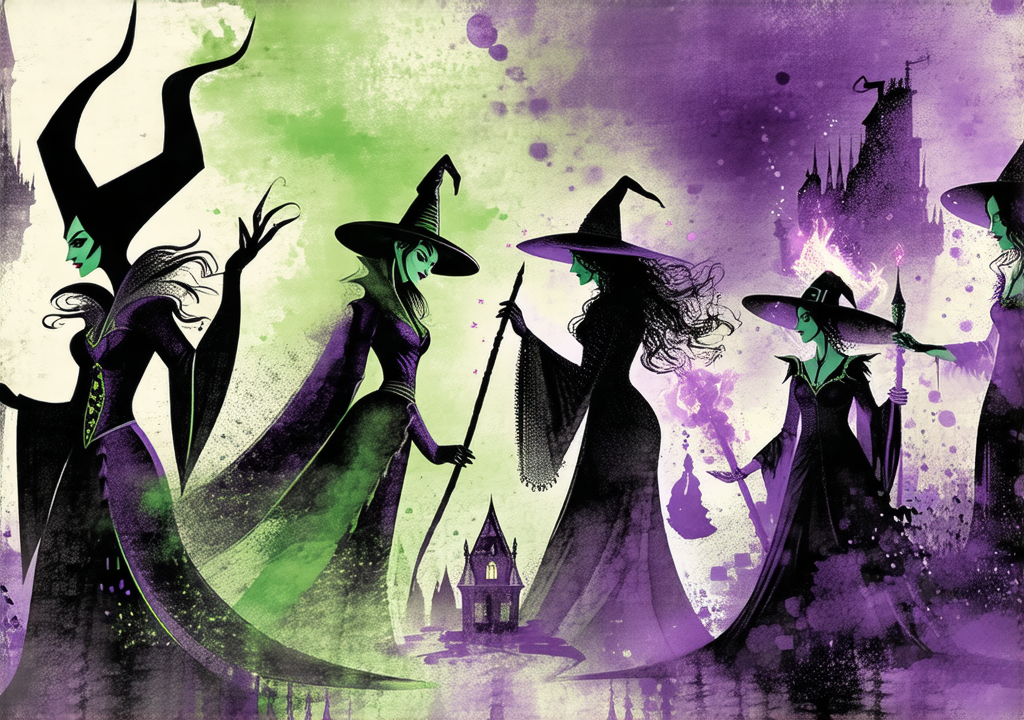
I have spent my life studying the arcane arts—deciphering ancient grimoires, consulting with modern practitioners, and analyzing centuries of magical history to understand what endures across time. Curses and hexes are not mere superstitions; they are powerful verbal and symbolic acts that leave imprints on both the material world and the collective consciousness. Allow me to share six of the most significant historical spells I have encountered in my work.
The Curse of Baal
The ancient Sumerian curse upon King Baal stands as one of history’s earliest recorded curses, dating back thousands of years before Christ. In Babylonian practice, it was believed that kings could invoke divine wrath against their enemies—whether through written tablets or spoken incantations by priests. This particular curse carried specific ritual components: sacred inscriptions sealed in clay and buried beneath the foundations of altars. What makes the Curse of Baal particularly fascinating is its longevity; fragments have survived millennia, and many scholars argue that elements of this curse survive in modern curses found throughout European traditions. The lasting effects include not only historical precedent but also a cultural pattern—people still invoke “curse upon thee” when they wish to curse someone, even if the original ritual components were lost.
The Wicked Witch Curse
While many associate witchcraft with medieval Europe and its most famous practitioners, the wicked witch curse predates that period by centuries. I have traced this particular spell back through ancient Celtic traditions—both in Ireland’s druidic practices and beyond where it was invoked against those who would wrong a witch or interfere with her powers. The curse typically involved verbal incantations spoken over herbs or stones; when the words were properly arranged, they bound the recipient to specific consequences: loss of fortune, failure in endeavors, or even death if the curse was strong enough.
Ancient Egyptian Hexes Against Enemies
The ancient Egyptians developed sophisticated magical systems where written spells could be used both offensively and defensively. Their practice of creating curses against enemies involved placing objects in specific locations—often near a person’s house or workplace—and using precise verbal formulas to invoke protection. These hexes were not merely folk remedies; they represented complex theological frameworks where gods themselves were called upon as witnesses, judges, and enforcers of the spell. The lasting effect of these Egyptian curses was remarkably enduring: many survive today in textual form within papyrus scrolls and temple inscriptions.
Medieval Curse of the Damned Knights
The legendary “damned knight” curse represents one of history’s most famous examples of a written hex designed to cause suffering upon those who wronged its author—typically by denying them rest or fortune until the grievance was addressed. In medieval England, this practice became particularly associated with nobles and wealthy landowners; when someone died while their enemies were still alive, it was believed that the deceased’s soul might become a source of ongoing curse against those same individuals.
The Plague Curse of Medieval Europe
In medieval times, people often blamed plagues on curses—whether by divine punishment or human actions—and several famous historical examples exist from this period. These curses typically involved specific verbal formulas combined with ritual elements: prayers to saints, offerings to gods, and sometimes even burial arrangements that affected the curse’s effectiveness. What makes these particularly notable is their lasting effect; many of these medieval plagues left behind cultural memory that persists in modern times, as well as actual physical remains—the remains of those who died during the plague years often show evidence of ritual treatment consistent with belief in curses.
Modern Witch Trials and Their Legacy
The witch trials of Europe represent perhaps the most famous example of curse-making on a mass scale; when accusations were made against suspected witches, entire communities could be affected as people believed they had been cursed by those accused individuals. The lasting effects include not only historical precedent but also modern examples where people still practice what some call “hex magic”—using similar verbal formulas and ritual elements to protect themselves or harm their enemies.
Conclusion
What makes these six famous historical spells so remarkable is not just their antiquity, but their enduring presence in human consciousness across cultures and centuries. They remind us that curses are not mere superstitions—they are real, powerful acts of will that can affect both individuals and entire societies. Whether you believe they work because of divine intervention or simply because belief makes them work, there remains something special about the way these historical spells continue to resonate through time.


Recent Post



Gallery






Featured Videos







No Comments