


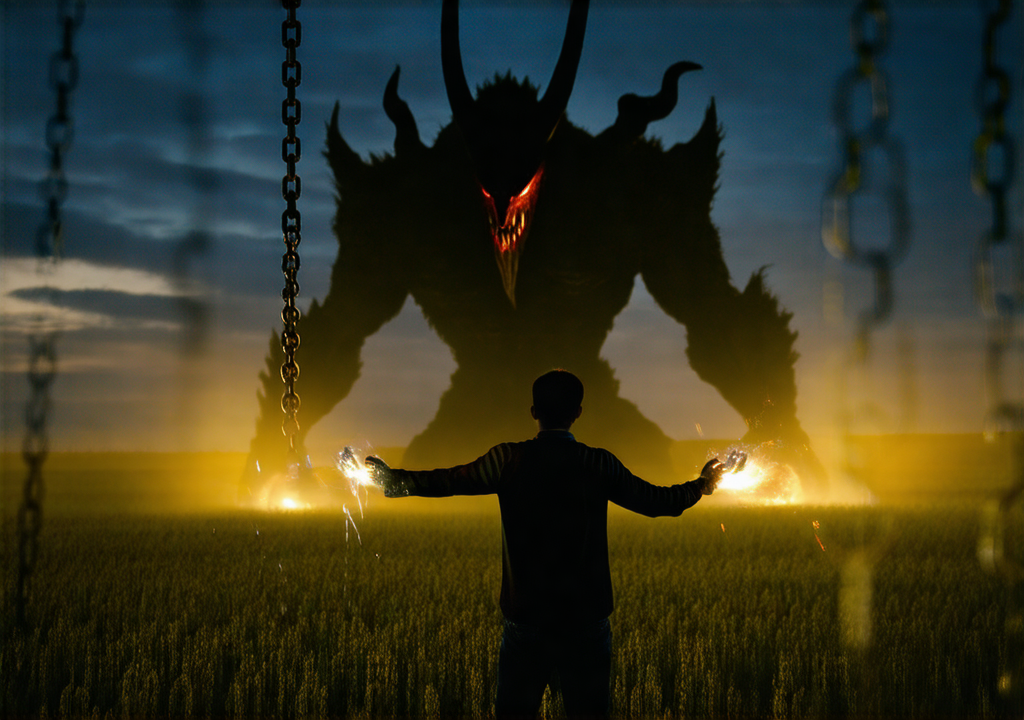
By Archmagister Theron Valdris, Keeper of the Sigil Library of Alexandria
The art of spirit-summoning is not a modern invention, nor is it limited to witches hunched over candlelit altars or mystics chanting in cathedral crypts. Long before modern practitioners claimed exclusive rights to summoning, the ancients carried within them symbols of profound power—geometric markers and sigils carved into stone, etched into parchment, and preserved through oral tradition for millennia. These symbols possess an enduring resonance that transcends time and geography; whether you stand in a concrete jungle or on a windswept moor, they retain their potency.
Why Symbols Matter
Before delving into the five specific sigils of power, consider this: why do we use symbols at all? A symbol is not merely decoration—it is a focal point for intention. When the mind concentrates upon an ancient mark while simultaneously projecting will outwardwards through the subtle planes, it creates a bridge between our realm and others beyond. This has been known since antiquity, as recorded in the Codex Spirituum and countless other texts preserved across traditions.
1. The Sigil of Aethon: A Pentagram Variant for Binding Spirits
The first symbol is perhaps the most widely recognized: the Sigil of Aethon. Unlike a simple pentagram used for general protection, this sigil incorporates a specific variant—featuring an inner circle intersecting with a five-pointed star whose points extend beyond a protective boundary line. The ancients believed that each point represented one of the cardinal spirits: earth, air, fire, water, and spirit itself.
To use this symbol in summoning, draw it upon paper or directly into sand while visualizing your desired spirit’s nature. Hold the sigil at heart level for three breaths, then raise it outward as if presenting an invitation. The Sigil of Aethon serves particularly well when summoning spirits tied to specific elements, though its versatility allows practitioners to summon any spirit through focused intention alone.
2. The Circle of the Silver Moon: Lunar Summoning Grounds
Second on our list is the Circle of the Silver Moon—a circular design inscribed with lunar glyphs that draws upon the moon’s phases for amplified power. This symbol works best under a full or waxing moon, though skilled practitioners can channel lunar energy regardless of the sky’s state. The circle itself must be drawn clockwise while chanting the appropriate verse; those versed in ritual magic often use a silver coin to trace it, ensuring that metal and moon align harmoniously.
What makes this symbol unique is its adaptability: whether you’re summoning spirits from woodland groves or ethereal realms between worlds, the Circle of the Silver Moon creates an opening wide enough for any spirit passage. Its historical roots stretch back to early Celtic traditions, where druids employed similar circles in their sacred groves.
3. Runes of Ba’el: Ancient Letters Carrying Power
The third symbol draws upon ancient runic inscriptions—specifically the Runes of Ba’el, which are named after an archangel traditionally credited with encoding them during the era of early spiritual revelation. Each rune carries meaning beyond its phonetic representation; when combined into specific sequences, they create a linguistic matrix capable of directing spirits toward the summoner’s will.
Practitioners who use the Runes of Ba’el typically inscribe their chosen sequence onto parchment or wood before beginning the summoning process. The runes should be read aloud in order while tracing them, allowing each letter to resonate through the practitioner’s body as it connects with corresponding energetic centers. This method has proven particularly effective for communicating directly with spirits rather than merely inviting them into one’s presence.
4. Sigil of the Serpent’s Coil: Symbolizing Movement Between Worlds
A fourth symbol that deserves prominence is the Sigil of the Serpent’s Coil—a design resembling a serpent coiling around itself in an infinite loop, often accompanied by a central eye-like motif representing awareness and discernment. This sigil represents the continuous movement between worlds—the serpent traditionally symbolizing wisdom, transformation, and the boundary between realms.
The Sigil of the Serpent’s Coil is particularly valuable for summoning spirits whose nature involves transition or guidance—spirits that serve as guides, messengers, or guardians during spiritual journeys. When held before the face while inhaling deeply, practitioners report heightened awareness of spirits in their immediate vicinity and an ability to perceive them more clearly once summoned.
5. Glyphs of the Unbound Path: Free-Flowing Spirit Summoning
Our final symbol is the Glyps of the Unbound Path—a design resembling a pathway or road drawn through a circular border, often accompanied by small directional arrows indicating movement toward the summoner. This glyph represents freedom and invitation; its purpose is to open a path through which spirits can travel freely while maintaining their own autonomy in the process.
Unlike more restrictive symbols that bind spirits temporarily during the summoning period, the Glyphs of the Unbound Path allow summoned beings to move about with relative freedom within the practitioner’s immediate space. This makes it ideal for practitioners who wish to converse with spirits as equals rather than commanding them from a position of authority.
Putting It All Together: Your Personal Summoning Practice
The beauty of these five symbols lies in their accessibility—each can be drawn by hand, memorized through repeated practice, or even tattooed onto the skin for permanent connection. While elaborate altar setups and complex rituals certainly enhance any summoning endeavor, they remain optional; what truly matters is intention, concentration, and respect for the spirits being called upon.
As you begin your own journey with these symbols, consider keeping a journal of each successful summoning attempt—note which symbols worked best in specific circumstances, how different spirits responded to your intentions, and whether particular times or locations enhanced results. Over time, personal patterns will emerge, deepening both understanding and practice.
Remember that ancient wisdom speaks equally well through modern lenses; these five symbols are timeless tools for any practitioner seeking connection with the spirit world at any moment, wherever they may find themselves standing.


Recent Post

Gallery






Featured Videos





No Comments