


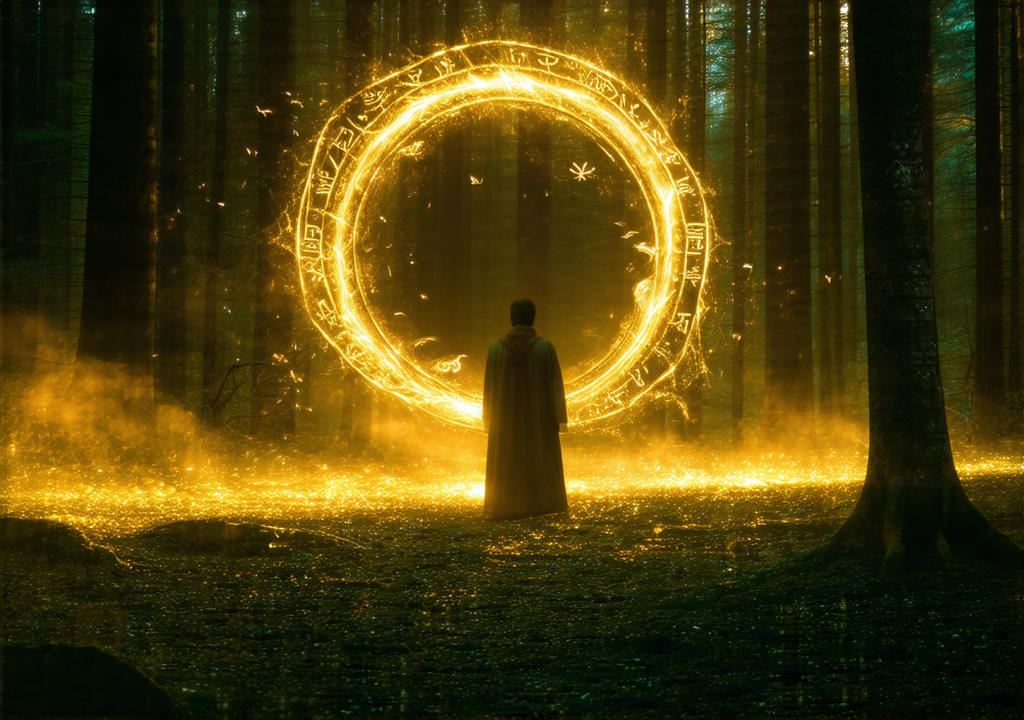
Introduction to Chaos Magic
Chaos magic is the ancient discipline which recognizes that belief itself is a tool, not an absolute truth. Unlike traditional magical systems rooted in rigid doctrines—where gods must be worshipped as they are defined by scripture and tradition—chaos magic invites practitioners to create their own beliefs, test them empirically, and discard what no longer works. This paradigm shift occurred when one visionary individual stepped outside the established order of magical thought and dared to assert that reality itself could be reshaped through deliberate delusion.
The core principle of chaos magic is simple yet revolutionary: believe in nothing except as a tool. A magician adopts whatever belief system proves most effective for their current purpose, whether it be Christian prayer, Norse runes, Tibetan dream yoga, or the invocation of entirely invented deities. What matters is not the authenticity of the belief but its efficacy in producing desired effects.
The Delusion That Rewrote Reality
How one man’s delusion rewrote reality? This transformation began when a solitary practitioner recognized that what we call “reality” is merely consensus—a shared hallucination agreed upon by collective expectation. When one individual refuses to accept the rules of this consensus, whether through meditation, ritual, or pure willpower, their personal delusion begins to reshape not just their own perception but eventually the world around them.
This concept finds expression in various traditions: the Stoics who perceived nature’s logos within themselves; the Taoists who learned to flow with the current of being rather than against it; the shamans who entered spirit worlds to heal earthly wounds. Each recognized that reality exists not outside but within, and each developed methods for reshaping both perception and what is perceived.
Methods and Practices
The methods of chaos magic are as varied as its practitioners. Some rely on sigil creation—symbols charged with intention through meditation and then released into the world. Others employ trance techniques, altered states of consciousness, or deliberate emotional manipulation to bend probability toward their wishes. There is no single correct method; only what works.
The famous case study often cited in chaos magic circles involves a practitioner who developed an elaborate delusion about the nature of certain natural phenomena and subsequently experienced correspondingly real effects. This individual learned to treat their personal mythos not as mere fantasy but as a living reality, one that others could eventually adopt or at least recognize.
The Delusion as Engine
What distinguishes chaos magic from mere whimsy is the rigorous testing of beliefs against results. A practitioner develops a delusion—say, that certain letters carry inherent power—and then tests this belief through repeated experimentation. When the data supports their hypothesis, they may begin to employ those letters in serious magical work. When not supported, they abandon them without sentiment.
The key insight is that reality responds to consistent attention and deliberate intention. When one man adopts a delusion with sufficient conviction—when enough others adopt it too—the delusion becomes real. This is how myths become true, how legends reshape the world, and how ordinary people accomplish extraordinary things through belief alone.
Conclusion: Embracing the Delusion
How one man’s delusion rewrote reality? By refusing to accept that what we see is all there is. Chaos magic teaches us that beneath the consensus of shared perception lies a much larger and more flexible reality, waiting for those willing to step outside accepted boundaries and create their own truths. The delusion becomes real not because it was true from the beginning but because enough people chose to believe in it until it became true.
This is why chaos magic matters today: we live in an age where beliefs are constantly being tested, discarded, created anew. The old authorities still hold sway, but they no longer control everything. Anyone can develop a delusion and begin reshaping reality around them, one belief at a time.


Recent Post


Gallery






Featured Videos







No Comments