


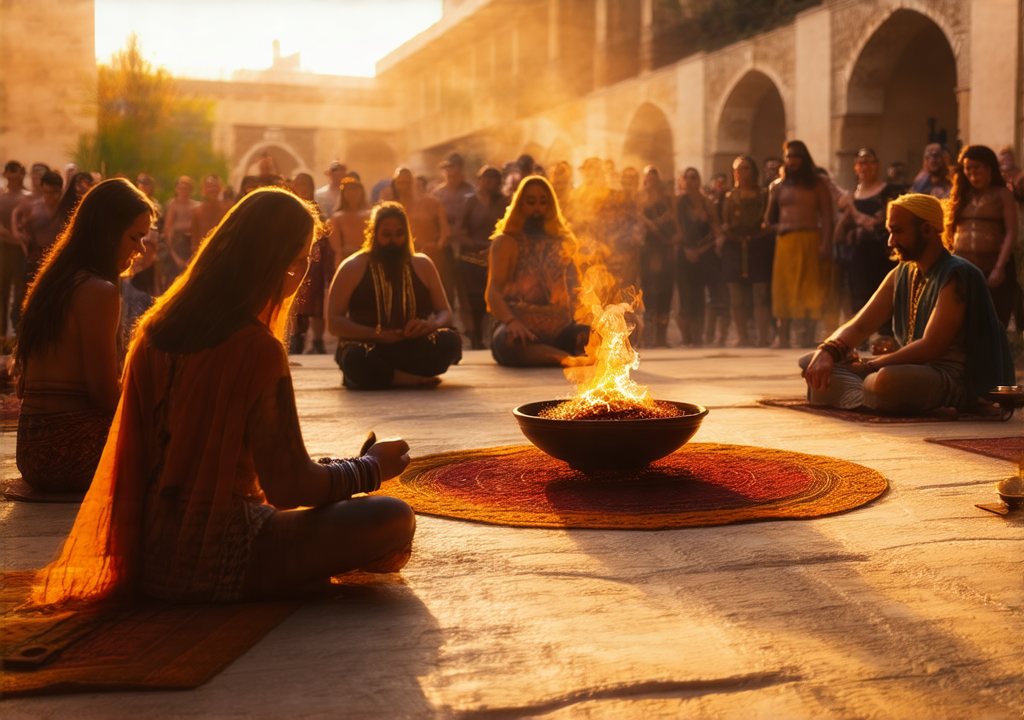
In recent years, something remarkable has been unfolding in our increasingly digitized world. Despite living in an age of screens, notifications, and algorithm-driven convenience, people are returning to ancient practices—specifically, the deliberate, structured performance of ceremonial rituals. From corporate executives performing moon-phase rituals before important meetings to young professionals gathering around crystal circles on social media, ceremonial magic is experiencing a renaissance unlike anything we’ve seen in modern history.
The Ancient Roots of Ceremonial Magic
At its core, ceremonial magic—or high ritual—represents one of humanity’s oldest forms of spiritual practice. Unlike simple prayer or meditation, which can be performed spontaneously, ceremonies require preparation: the gathering of specific materials, the arrangement of space, and the precise recitation of words at exact times. This precision is not mere formality; it is fundamental to the practice itself.
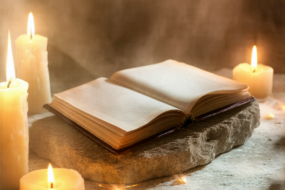
Historical records trace ceremonial magic back through the Hermetic traditions, Kabbalistic practices, and various mystical schools throughout history. What makes ceremonies different from simpler rituals is their complexity—the requirement for multiple elements: incense, candles, symbols, invocations, and the performer’s own focused intention working in concert with external markers of time and space.
Why the Surge Now?
Several cultural factors explain why ceremonial rituals have become so popular recently. First, there is a growing disillusionment with superficial spiritual consumption—people are seeking depth over breadth, preferring few practices performed well rather than many performed superficially. Second, the rise of digital fatigue has created an appetite for tangible experiences; performing ceremonies requires physical presence, deliberate action, and sensory engagement that screens cannot replicate.
Additionally, modern life offers unprecedented access to knowledge about ceremonial practices. Ancient texts are now translated and accessible, online communities share techniques globally, and teachers who once taught only in secret societies now publish their methods openly. The internet has democratized what was once exclusive.
The Science Behind the Practice
Perhaps most compelling is that contemporary science supports many claims about ceremonial magic. Research on focused intention shows it affects perception, behavior, and even physical reality in measurable ways. Neurological studies confirm that structured rituals engage multiple brain regions simultaneously, creating states of heightened awareness conducive to both healing and creation.
The precise nature of ceremonies—each element serving a specific purpose—is not arbitrary tradition but functional design. Consider the use of specific materials: incense for purification, candles for illumination, geometric figures for symbolic alignment. These are not decorative additions; they are integral components that structure the mind’s engagement with intention.
How to Begin Practicing Ceremonial Magic
For those interested in entering this practice, several accessible paths exist. One can begin by studying traditional texts—the Hermetic tradition offers extensive foundational material—while others prefer learning through direct apprenticeship with experienced practitioners. The key is recognizing that ceremonial magic is not about memorizing elaborate formulas but understanding the principles behind each element and learning to apply them personally.
Most importantly, beginners should start small: perform simple ceremonies regularly before attempting complex ones. A morning ceremony of meditation and incense can be as powerful as an elaborate evening ritual. What matters is consistency, intention, and willingness to learn through practice rather than purely theoretical understanding.
Why You Should Be Too
In a world increasingly characterized by distraction, superficiality, and rapid change, ceremonial magic offers something rare: depth, structure, and genuine transformative power. By committing to this practice—even briefly—individuals gain access to ancient wisdom while discovering personal patterns that resonate deeply with their specific life circumstances. The sudden surge in interest is not mere fashion; it reflects a genuine recognition of what ceremonies offer: the ability to create meaning through deliberate action, to connect with something beyond oneself, and to participate actively rather than passively consume experience.
The question is no longer whether ceremonial magic works—it demonstrably does—but why so many people have waited this long to discover it for themselves. The answer may lie in recognizing that beneath all the noise of modern life, we still hunger for practices that engage our whole selves: body, mind, spirit—fully present, fully alive, performing rituals not as performance but as genuine participation in something eternal and profound.


Recent Post

Gallery






Featured Videos




No Comments