


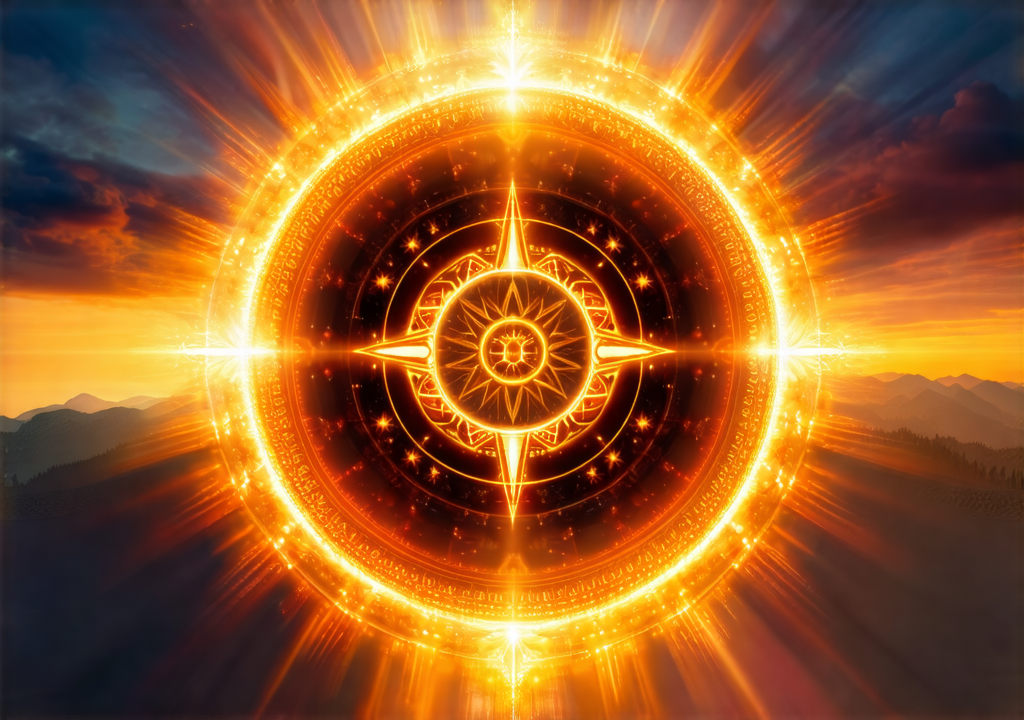
The ancient practitioners of magical arts understood something we have largely forgotten: that the universe responds to deliberate action. Not random acts, not casual gestures, but precise, intention-laden movements performed at the right time, in the right place, with the right words spoken correctly. This is the essence of ceremonial magic—the art of making change through ritual means, governed by the laws of sympathy and correspondence that bind all things together.
The Architecture of Ceremony
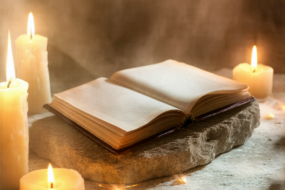
What distinguishes ceremonial magic from other forms of magical practice is its commitment to structure. While meditation and visualization can accomplish much on their own, ceremonial magicians prefer the precision of a well-constructed rite: the carefully arranged altar, the specific incantations recited at established times, the geometric sigils that channel cosmic forces according to mathematical principles.
The tradition traces back through centuries of accumulated knowledge—from the Hermetic writings attributed to Hermes Trismegistus, through the Kabbalistic correspondences codified by medieval grimoires, to the elaborate systems developed during the Renaissance and into modern practice. What emerges is not a single unified doctrine but rather an interconnected framework where astrology provides timing, geometry offers structure, alchemy supplies symbolic vocabulary, and prayer serves as the connecting thread between practitioner and divine forces.
The Principle of Correspondence
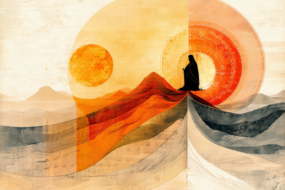
The foundational principle behind all ceremonial magic is the correspondence between microcosm and macrocosm—the idea that what exists above is mirrored below, and vice versa. This is why a magician might associate specific colors with particular planets, which elements with specific virtues, which numbers carry certain powers. It’s not arbitrary; it reflects an underlying harmony in nature that can be understood and employed.
When you perform banishing rituals—cleansing spaces of unwanted influences—or invoke the spirits of planetary hours, you are essentially tuning yourself to the frequencies already present in the universe. The ceremony becomes a bridge between ordinary consciousness and extraordinary reality, a moment where the veil thins and direct contact with spiritual forces becomes possible.
Types of Ceremonial Practice
The practice encompasses several major categories: invocation (calling down divine or angelic presences), exorcism (banishing harmful influences), consecration (making objects or spaces sacred), and exorcising (removing spiritual contamination from people, places, or things). Each follows established procedures that have been refined over centuries of practice.
Perhaps most commonly practiced is the invocation ritual—whether calling upon the powers of a specific planet during its hour, invoking divine names according to Kabbalistic tradition, or summoning spirits through carefully arranged sigils and seals. The magician draws on what is called “the power of words”—not merely as symbols, but as actual instruments capable of shaping reality when spoken correctly in the right context.
Why Ceremonial Magic Matters Today
In an age where technology has advanced dramatically yet spirituality remains elusive for many, ceremonial magic offers something uniquely valuable: a systematic approach to consciousness itself. The rituals are not about escaping into fantasy; they’re about learning to participate consciously in one’s own life—shaping intention, building personal discipline, and developing awareness of forces that operate beneath ordinary perception.
The practice demands precision and patience, qualities increasingly rare in our hurried world. When you take time to arrange your altar properly, draw the magic circle at the correct moment under the appropriate stars, speak the sacred words with genuine understanding rather than mechanical repetition—you are practicing a kind of art form that encompasses both body and spirit, intellect and emotion, matter and meaning.
This is why ceremonial magic endures: it works because its methods are sound, its principles consistent, and its results real enough to be felt even by beginners who approach with sincere intention and open minds. The rituals themselves become vessels through which ancient wisdom speaks to modern seekers, offering not mere belief but genuine experience—the direct knowledge that comes from doing rather than merely believing.
Conclusion: One Ritual, Infinite Possibilities
The beauty of ceremonial magic lies precisely in this combination: it is specific enough to be learnable and practical enough to use daily, yet deep enough to sustain a lifetime of practice. Every ritual performed becomes a seed; every intention carried forward through time contributes to an ever-growing pattern of meaning that connects the practitioner with forces beyond themselves.
When you close your eyes during meditation or recite sacred words over prepared symbols, you are not merely going through motions—you are participating in something ancient and true. You are doing what magicians have done for thousands of years: shaping reality according to knowledge of its deeper laws, bringing heaven down into earth through deliberate action, learning that the universe responds when we ask it correctly.


Recent Post


Gallery






Featured Videos




No Comments