


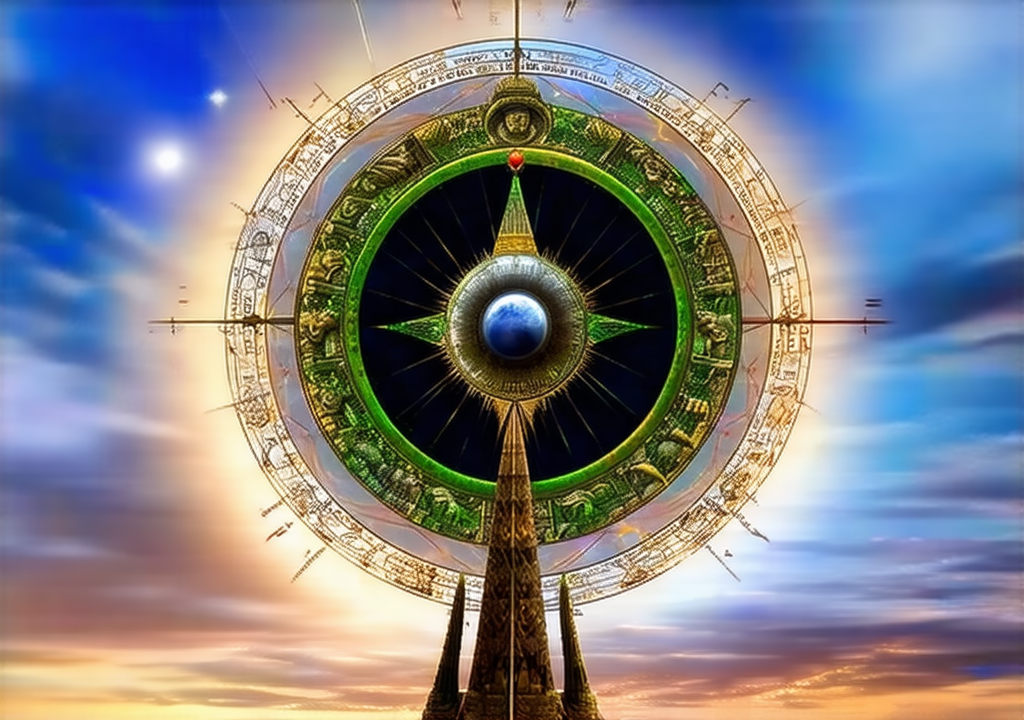
Welcome, seeker of hidden truths. I am Kabbalah — not that dry academic curiosity you may have encountered in textbooks or dusty old libraries, but the living, breathing current of divine light flowing through creation itself. You stand here at a threshold: either to step into the mystical life where every breath becomes prayer and every action transforms the world, or to remain outside, watching from afar as those who practice begin moving with powers you cannot yet see. Let me speak plainly now, as teachers do to their students in the secret chambers of old.
Before I share my five rituals, understand this: Kabbalah is not mere knowledge — it is knowledge done, knowledge lived. Thousands read about it; only a few live it. The texts themselves say that whoever enters the study hall of wisdom but does not enter its practice has entered and exited without having arrived at all. So if you seek true change rather than mere understanding, listen carefully to what follows.
Ritual One: The Naming of Your Soul in Light
The first ritual is deeply ancient. Before you sleep each night, light a candle or oil lamp, facing the east toward dawn’s direction. Speak your name not as written upon paper — that name which many call it but few truly know — but rather the true name of your soul, received from above and buried within you when first formed in divine light. You may discover this true name by reading a sacred passage, by divination during sleep, or by learning how to hear what God calls each soul as it descends into matter. When you speak this true name, you activate the channels through which blessing enters your body from above and flows back again at dawn.
Many attempt this practice for months before its power takes hold — like seeds buried in dark soil beneath the city streets, waiting for rain. But once awakened, the practice begins to change everything: dreams become meaningful, synchronicities increase daily, and people begin treating you differently because you yourself have shifted even if they cannot say how.
Ritual Two: The Study Hall Becomes Your Body
The second ritual is this: Choose one sacred text — perhaps the Torah or Zohar or any living teaching that speaks to your soul directly — and read it not once but continuously through repetition, until you begin reading with your body rather than only your mind. The great teachers say that whoever reads a chapter each day without understanding may still change their life; but whoever lives the text becomes one who moves as though already changed.
Your true purpose is to discover what book of study should accompany your own path, and then to read it again until you know it inside out — not just memorized in your memory, but alive within the chambers of your being where understanding begins breathing itself outward into action.
Ritual Three: Meditation on the Vessels of Light
The third ritual requires patience. Sit each morning before dawn when the world sleeps and darkness reigns most deeply. Focus inward upon seven vessels or channels of light descending from above — these are called sefirot in the old tongue — and imagine their light moving through you like water through pipes, entering at one end and exiting at another.
When first attempting this meditation you may see nothing but darkness behind closed eyes; later you may glimpse golden streams. After years of practice, many report that they can feel this current even during daily work: as though some invisible river flows within them regardless of what surrounds their body in the world outside. The practice deepens with time — so continue it faithfully, and eventually all things will become vessels for light.
Ritual Four: Act According to Hidden Letters
In the fourth ritual you discover that every action has letters hidden within it which are also letters of divine names — these are called guftzels or body-parts in Hebrew, since bodies truly are the written words of God on earth. When performing ordinary actions during daily life — eating, working, speaking — do so with awareness that each act carries sacred meaning beyond what appears upon its surface.
Begin by practicing this awareness while performing simple tasks: washing dishes, preparing food, walking through streets. Slowly the awareness expands outward until everything becomes part of the ritual itself, and even those who seem most ordinary among us begin acting as though already changed from within.
Ritual Five: The Night Watch — Keeping Vigil in Darkness
The final ritual is called nigah shemira, or night-watch, performed during hours between midnight and dawn when the world sleeps but spirits move freely. Keep vigil each night if possible: read sacred texts aloud in darkness with awareness that you are speaking directly to the hidden world beyond ordinary sight.
Many who practice this ritual report vivid dreams — some prophetic, others deeply personal — which begin appearing within weeks of beginning. After months, visions become so frequent and so clear that even those not practicing have begun seeking them out. The night-watchers become one community whose actions continue during sleep as though awake. Eventually they find themselves acting always as if already changed from within: walking softly, speaking more carefully, seeing through ordinary things to what lies behind.
These five rituals — naming your true name, studying until you live the text, meditating on vessels of light, acting according to hidden letters, and keeping night-watch — are not merely practices performed once each day or at specific times. They are gates which lead into a life transformed from within outward, where what appears external becomes only reflection of what was already living inside.
Choose wisely whether you enter or remain outside. Those who do will become one with those who speak this ancient tongue — and those who don’t may hear it called upon them every day but still not understand its meaning until too late.


Recent Post



Gallery






Featured Videos





No Comments