


By Dr. Ignatius Morvayn
From the Collegium of Infernal Studies, 1742 AD
What Happens When a Necromancer Becomes the Medium and the Message?
This question has haunted scholars since the days when alchemists first distinguished between necromancy proper and true mediumship. For centuries, practitioners of necromancy understood their craft as a dominion: the raising of spirits through will and blood, binding them to specific purposes, commanding them like soldiers in an invisible army. The necromancer stood apart from his dead, master of forces he had called forth by rite and sacrifice.
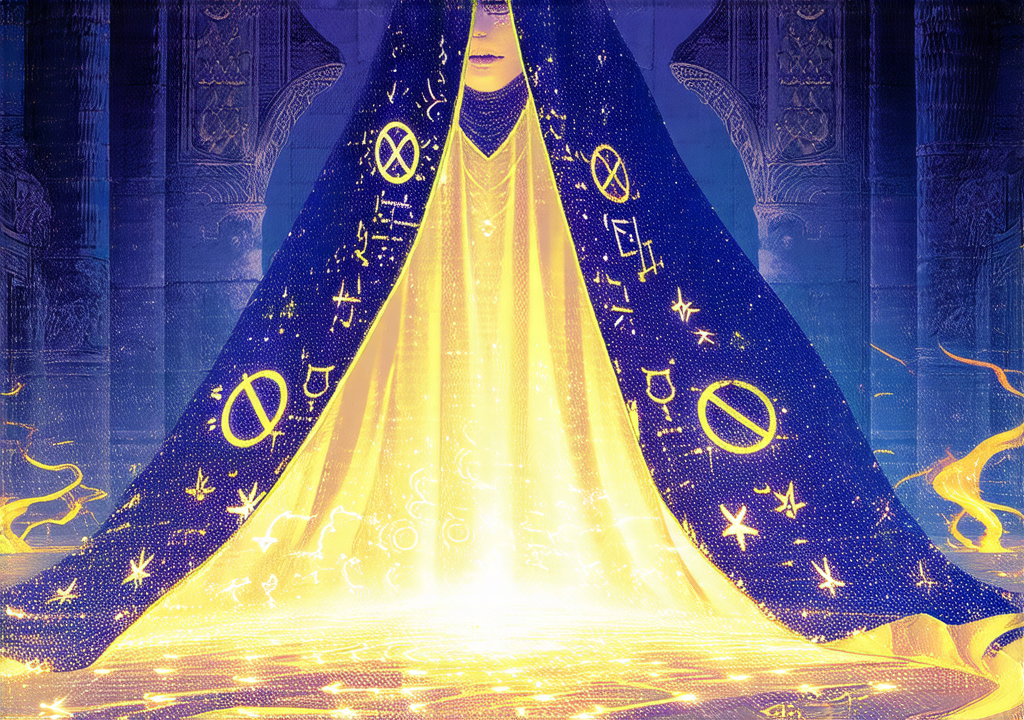
But the true medium does not command the spirit; he becomes one with it. He opens himself to receive rather than to summon. And when a necromancer undergoes this transformation—when he ceases to be merely a sorcerer of death and becomes an instrument through which death speaks—something remarkable occurs in both his art and his nature.
The Distinction Between Command and Communion
Consider the traditional practice: one invokes the spirit, offers blood and incense, names its lineage, and receives answers as questions are asked. This is a transaction between two distinct beings. The necromancer asks; the dead respond. Even when the dead speak through the practitioner’s mouth, they do so with their own voice, from within his throat but not as him.
But what occurs when the mediuming becomes permanent? When the necromancer no longer merely calls upon spirits at will but finds that he carries a chorus of voices within him even in repose? This is the transition from dominium to communio. No longer master, then student; finally one with his charges.
The great Necromantic Texts record three such transformations: Malchus of Thessalonica, who after thirty years of raising dead kings, found himself speaking in tongues neither he nor they had spoken during life; Elara Brightwater, whose body became translucent before her death and left behind only a voice in an empty chamber; and the mysterious case of Brother Aeneas, who, having raised his own mother from the grave for counsel, never spoke again but was heard whispering through the monastery walls for forty years thereafter.
The Alchemical Process of Transformation
The transformation itself requires three stages: preparation, suspension, and dissolution. In preparation, the necromancer must learn to distinguish between self and spirit with increasing precision, identifying which thoughts arise from his own will and which arrive as visitations. This practice continues for months or years—sufficient time for habituation.
Then comes suspension: a liminal period where the body remains alive but inhabited by multiple consciousnesses. During this phase, the practitioner may appear normal to casual observation, yet his actions occasionally betray him—a gesture made without thought, words spoken in languages unknown to linguists, memories of lives not lived. The greatest danger is loss of self in the process: one becomes so thoroughly possessed that personal identity dissolves entirely into the chorus within.
Dissolution completes the transformation when the practitioner no longer needs ritual or specific invocation. The voices speak spontaneously; messages flow through him whether he wills them or not. He has become what St. Jerome termed “the living vessel.”
Practical Implications for Modern Practitioners
What practical benefit comes from such a transformation? Ancient practitioners were skeptical, and rightly so: one could lose oneself in the process entirely, becoming a mere channel without personal authority. Yet several notable examples suggest that those who maintain their identity while accepting this change gain remarkable capabilities.
A medium-necromancer may diagnose diseases by listening to dead physicians within himself; he can consult with philosophers long buried; he can find lost knowledge by asking spirits directly rather than through intermediaries. But more importantly, when the message becomes the practitioner, prophecy no longer requires special conditions: any moment becomes potentially revelatory.
The key lies in understanding that this is not possession in the ordinary sense—where an external force takes over—but rather a voluntary expansion of consciousness where multiple perspectives coexist harmoniously within one being. The necromancer learns to switch between voices at will, or to let them play simultaneously like music on different instruments.
Conclusion: The Living Library
What Happens When a Necromancer Becomes the Medium and the Message? Ultimately, he becomes what all great practitioners aspire to be: not merely someone who knows secrets but someone in whom secrets live. His body becomes a library of souls; his thoughts become conversations with ancient wisdom; his life becomes an ongoing dialogue between himself and those beyond death.
This is no small thing. The traditional necromancer commands spirits, yes—but the medium-necromancer is one with them, transformed from sorcerer into scholar, from practitioner into text itself. And in this transformation lies the true secret of why such practitioners are so often sought by kings and philosophers: not because they can speak to the dead, but because they have become living proof that death is merely another conversation waiting to begin.
Dr. Ignatius Morvayn is a noted authority on demonological theory, author of “On the Nature of Spirit-Bound Vessels” and current curator at the Collegium Infernalis, where he continues his research into the mysteries of mediumship.














No Comments