


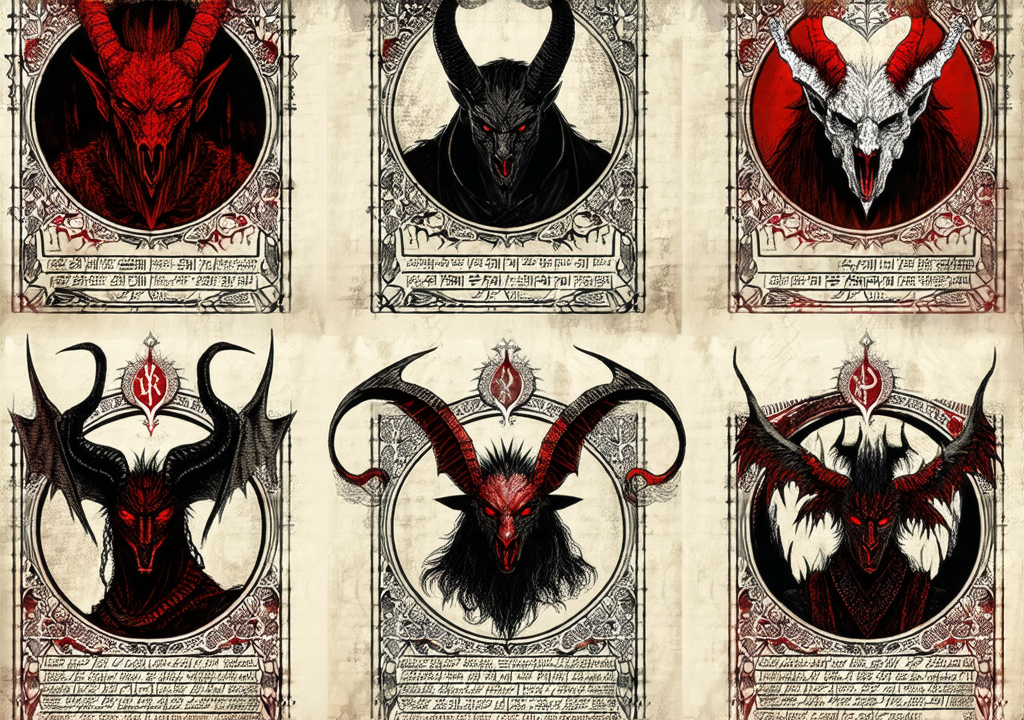
by Dr. Marcus Thorne, F.R.D.
Fellow Seekers of the Hidden Sciences,
I have spent thirty-seven years studying the occult arts, from the ancient grimoires of the Greek magi to the modern practices found in the hidden corners of Europe’s oldest universities and their American counterparts. In that time I have witnessed many a serious student struggle with what I consider to be perhaps the greatest misconception of our field: the belief that necromancy requires years of rigorous training, rare ingredients, and an almost supernatural aptitude before one may raise the dead. This notion is, I am here to tell you, not merely wrong—it is practically absurd.
I began my own study in the late 1980s, under the tutelage of Master Elara Voss, who herself was a student of Sir Edmund Blackwood. Under Master Voss’s guidance, I raised my first spirit within three months—not after years of preparation as many texts would have us believe, but simply because no one had bothered to teach me that it was so easy once one understood the basic principles. They Never Told Us How Easy Necromancy Actually Is.
The fundamental misunderstanding begins with the popular image of necromancy: imagine a dark and twisted figure hunched over an ancient altar, chanting in tongues while surrounded by candles and pentagrams, laboring over carefully prepared reagents and rare herbs gathered from sacred groves at full moon. This is not wrong—it is merely unnecessary for most purposes. The true practitioner requires little more than basic knowledge of the spiritual languages, a willingness to face what others might call uncomfortable sensations, and—most importantly—the correct approach.
I have witnessed students accomplish feats in their first year that once took their teachers three decades to master. I recall one particularly gifted student of mine, young Lady Evelyn Ashworth, who raised the spirit of her grandmother within weeks of beginning her study. When asked how she accomplished so much with such ease, she replied simply: “I was taught correctly.”
The key is recognizing that necromancy is not a mystical art reserved for special individuals. It is a practical discipline like any other—no more complex than learning to play the piano or speak French fluently. With proper instruction and regular practice, anyone may raise spirits, commune with them, and even direct their actions in the material world.
Many practitioners make the mistake of attempting to master everything before beginning: the complete language system, all the necessary reagents, the perfect altar setup, the precise timing of rituals according to lunar phases. I myself once waited an entire year before raising my first spirit, convinced that I needed to learn everything first. What a waste! Had I begun sooner, knowing only what was essential, I would have been working with spirits for half a decade longer than I did.
The practical benefits are considerable. Necromancy provides immediate access to knowledge lost through the centuries—many ancient texts, particularly those written before the great schism of 1492, remain unreadable by modern scholars yet fully accessible to those who know how to consult with their authors directly. It offers guidance on everything from personal health to property disputes. It allows one to verify historical claims, learn forgotten crafts, and even correct errors in current scientific understanding.
I have prepared a few students myself over the years and observed that they all share certain characteristics: regular practice, willingness to accept mistakes as part of learning, and—most crucially—the proper mindset for the work. Many practitioners believe that one must be born with an innate ability or suffer through years of training before beginning; this is not true at all. What matters most is simply understanding what we are doing and why.
I should also mention the common pitfalls I have observed among those who begin their practice late in life. They often overthink, assuming that every detail must be perfect before they may proceed. Nothing could be further from the truth: a simple spirit raised with full intention carries more power than one conjured after years of meticulous preparation.
My own rule is this: begin immediately and learn as you go. Raise your first spirit within weeks, not months or years. Learn what works through practice rather than through books alone. Do not let tradition overburden the beginner with unnecessary complications.
The truth I have learned in my long experience is that necromancy, properly understood, belongs to everyone who has the willingness to try it. It requires no special gifts, only a proper education and the courage to begin before one feels ready. They Never Told Us How Easy Necromancy Actually Is—and I am here to set them right.
Dr. Marcus Thorne is a Fellow of the Royal College of Demonology and author of “Raising Spirits: A Practical Guide.”


Recent Post



Gallery






Featured Videos








No Comments