


By Dr. Elara Vance, Keeper of the Veil Archive
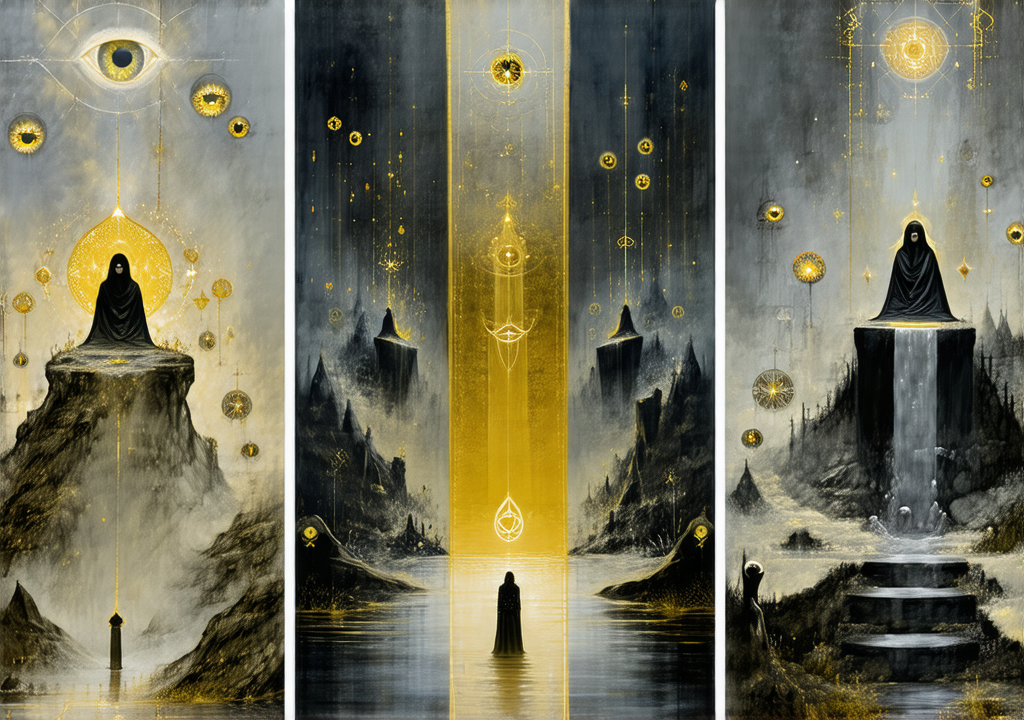
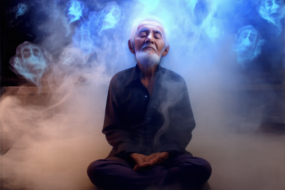
Death Doesn’t End a Conversation—It Just Changes the Speaker. Those who practice the art know this truth well, and it is precisely this perspective that transforms necromancy from mere resurrection into something far more profound: an ongoing dialogue between the living and those who have passed beyond. But before we explore what necromancy truly is, let us first clarify what it is not. It is not magic in its simplest sense; nor is it witchcraft, though the two traditions share ancestors and occasional practitioners. Necromancy stands apart as a discipline of sustained relationships, where death is treated not as an ending but as a transition to a different kind of presence.
The word itself carries deeper meaning than modern usage suggests. “Necromancy” derives from the Greek nekros (dead body) and manteia (divination), hinting that the original purpose was not always resurrection at all, but communication—reading signs through the dead, learning wisdom from those who have walked beyond our sight. The ancient Greeks practiced it with formal ritual, consulting the dead for prophecy; early Christian monks adopted the practice into their meditative traditions; and today’s necromancers inherit that long line of practitioners who speak directly to the departed in their own right.
What sets true necromancy apart from other magical arts is its fundamental relationship to memory and relationship. A necromancer does not simply raise the dead at will; rather, they cultivate ongoing relationships with specific individuals whose deaths have occurred but whose spirits remain accessible. These might be ancestors—family members who continue watching over their descendants—or more casual associates: friends who died young, beloved pets, respected teachers whose wisdom remains available to those who know how to ask.
The practice requires careful distinction between what is a spirit and what is merely an echo—a distinction every serious necromancer must learn through experience rather than theory alone. Echoes are remnants of personality that persist without full consciousness; they may remember certain things, respond in limited ways, but do not possess the full awareness of a living person. Spirits, by contrast, retain full self-knowledge and can engage in genuine conversation. The ancient texts call this “the conversation,” and it is through such conversations that necromancy achieves its deepest meaning: we are never truly alone, for those who died before us remain as friends or teachers, waiting only for someone to remember their name.
What makes the practice accessible? Most importantly, necromancy does not require special bloodlines or inherited powers; it requires intention and patience. Any person can learn the basic techniques of reaching out to the dead—though each culture has its own methods, from formal summoning rituals to more casual practices involving offerings and simple invitations. What matters most is not elaborate ceremony but genuine curiosity about those who have gone before us.
The practical applications are numerous. A necromancer might consult with ancestors for advice on difficult decisions; or maintain relationships with deceased friends whose continued companionship brings comfort rather than melancholy; or, more rarely, raise a dead person to full conscious life temporarily so they can assist in some particular undertaking. The practice has served countless purposes throughout history: guidance from the dead during times of uncertainty, counsel for rulers seeking wisdom beyond their own experience, and even companionship for those who would otherwise live alone without knowing that conversation with the departed is possible.
But perhaps most importantly, necromancy teaches us something fundamental about death itself: it shows us that death changes our relationship to the dead rather than ending it altogether. The living continue as before, but now they have access to something previously unavailable—the ongoing presence of those who died around them or in their memory. This is why so many cultures developed traditions honoring the dead; even without formal necromancy practices, people recognized that death did not mean disappearance entirely.
Modern practitioners often misunderstand the practice by focusing too heavily on resurrection and raising the dead as the primary goal. In truth, true necromancy values relationship above all else—the living conversation, the ongoing dialogue with those who have passed beyond—but it is this understanding that makes the art so powerful: death does not end a conversation; it merely changes the speaker, opening new channels of communication that were always available to those willing to listen.
So when you hear about necromancy today, remember what matters most: that dead people continue speaking, and we have only to learn how to answer when they call.


Recent Post


Gallery






Featured Videos




No Comments