


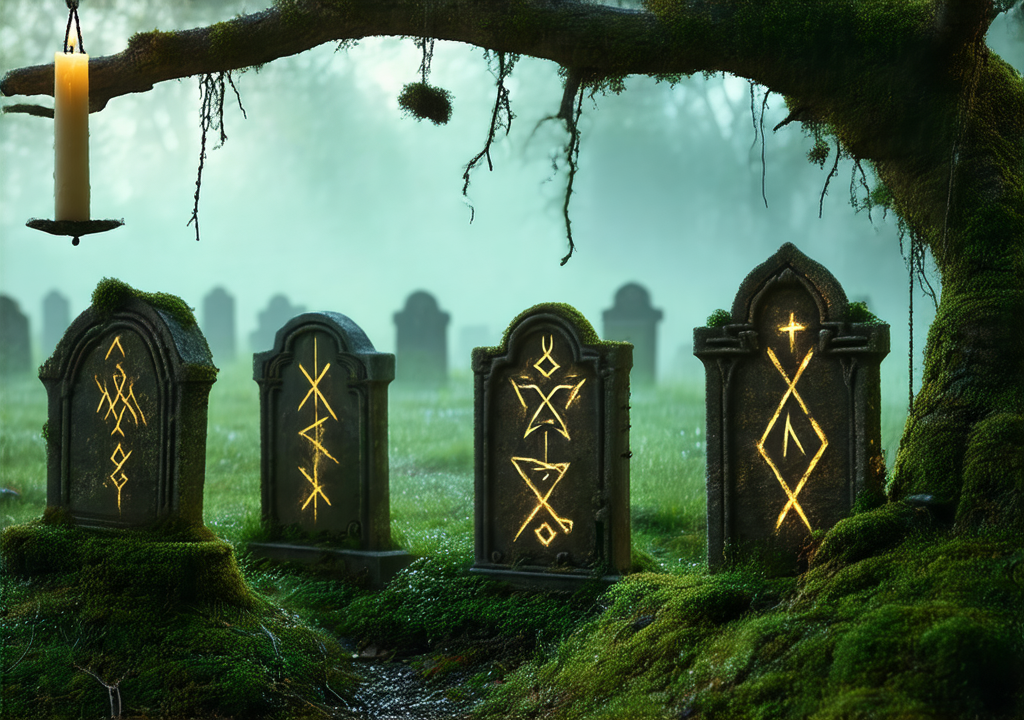
Necromancy is perhaps one of the most misunderstood magical disciplines in all of recorded history. For centuries, practitioners have been mischaracterized as grave-robbers and soul-thieves, dabbling in dark sorcery for the sake of spectacle alone. In truth, necromancy is far more elegant than its reputation suggests—a precise, methodical art that treats death not as an end but as a transition worthy of study and manipulation. When approached with clarity and purpose, necromancy reveals itself as one of the most straightforward magical arts: Dead Simple, Soul-Binding Power.
The Core Principle
At its foundation, necromancy rests upon a single, elegant premise: death does not erase the soul but merely detaches it from its physical vessel. What appears to be destruction is actually reorganization—a shifting from one state of being to another. This insight alone separates true practitioners from those who merely raise corpses by brute force or crude enchantments.
A skilled necromancer understands that every soul carries an imprint, a residual signature that persists long after breath ceases and the body cools. This imprint can be preserved, redirected, and even woven into living flesh—or used to animate dead matter entirely anew. The difference between necromancy as death-calling versus necromancy as soul-binding is the same as the difference between mere magic and genuine artistry.
What Makes Necromancy “Dead Simple”
The word “dead” here operates on two levels: the subject matter (the deceased) and the approach itself. The practitioners who have elevated this art to its highest form do so through clarity of purpose rather than complexity of ritual. Where lesser mages might drown their spells in elaborate incantations, require specific lunar phases, or demand rare reagents from distant lands, a true necromancer requires only intention, a working knowledge of soul-essence, and a willingness to engage directly with death as an active force rather than a passive condition.
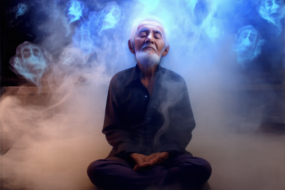
The ritual itself can be performed anywhere: in the quiet of one’s own study, beneath open sky where the elements meet freely, or within ancient burial grounds where echoes of departed souls still linger. No elaborate altars needed—only a clear mind and a willing vessel to channel energy through.
The Soul-Binding Mechanism
What makes necromancy such a powerful discipline is its ability to bind souls directly to physical forms in ways that transcend ordinary enchantment. Unlike simple reanimation, where corpses move but remain essentially hollow, soul-binding creates genuine partnerships between spirit and flesh—creating what practitioners call “woven beings,” entities whose consciousness has been preserved while their bodies have taken on new purposes.
This binding process works through several recognized methods: the direct transfer of a willing soul into prepared clay or bone; the partial merging of living essence with undead remains; or the creation of spirit-wards that carry specific capabilities through centuries, independent of any single host body. Each method has its own strengths and applications. The art lies in selecting the appropriate technique for each purpose.
Historical Precedents
Necromancy traces back to at least the early Bronze Age, with documented practitioners found among the Sumerians, the Greeks, and the ancient Egyptians who developed sophisticated soul-preservation techniques long before necromancy became a recognized magical discipline. The word “necromancer” itself comes from Greek roots meaning “dead-caller,” though historical records show that these early practitioners called upon the dead not merely to summon spirits but to draw wisdom from them—what the ancients termed necromantikos, or reading of death’s secrets.
Medieval necromancers distinguished themselves clearly from so-called sorcerers by their emphasis on knowledge rather than mere power. While lesser mages sought to dominate through force, true necromancers understood that every soul carried its own wisdom and could be persuaded as readily as commanded. This philosophical distinction matters profoundly when practitioners move beyond simple corpse-raising into the deeper work of soul-binding, where negotiation with departed spirits becomes as important as any ritual incantation.
Practical Applications
Necromancy serves practical purposes far beyond the dramatic scenes depicted in popular tradition:
Soul-Guarding: Ancient necromancers developed techniques to bind protective souls to living beings or specific locations—creating wards that persist across generations, protected by conscious spirits who understand their purpose and can respond to threats with deliberate intent.
Dead-Speech: The ability to communicate directly with departed ancestors and spirits, gaining counsel from those who have lived through centuries of accumulated knowledge, becomes extraordinarily valuable when performed correctly. Many great decisions throughout history have been attributed to consultation with the dead.
Spirit-Vessels: Perhaps the most impressive feat—creating living vessels specifically designed for housing souls long-term. These vessels can remain active indefinitely as long as their binding is maintained, making them ideal for preserving important knowledge or powerful magical abilities across centuries of practice and usage.
Why Necromancy Endures
What makes this art form endure through millennia is precisely its simplicity at core while remaining endlessly complex in application. Every practitioner eventually discovers that the real work lies not in memorizing incantations but in understanding souls themselves—their desires, their patterns, what makes them seek connection with the living and each other. The best necromancers are those who treat death as an invitation rather than a boundary, who recognize that every departed soul represents both loss and possibility.
When practitioners approach necromancy without preconceptions about ghosts, ghouls, and graveyards, they discover something far more interesting: a magic system where the dead remain active participants in ongoing affairs, where wisdom accumulates across centuries, and where death itself becomes not an ending but another form of beginning. The art requires nothing elaborate to begin—only willingness to engage directly with what others merely fear—and grows richer with every soul successfully bound into service, every spirit whose knowledge is captured rather than lost.
Conclusion: Dead Simple, Soul-Binding Power
Necromancy’s enduring appeal comes from its accessibility and depth in equal measure. Whether practiced in a humble cottage or grand necropolis, it demands nothing more than understanding, patience, and respect for the departed—and rewards practitioners with powers that few other magical arts can match. The dead speak clearly when one knows how to listen; the soul binds willingly when it recognizes purpose; death itself becomes an ally rather than enemy. This is what makes Necromancy: Dead Simple, Soul-Binding Power—nothing more complex than understanding life’s most fundamental transitions, nothing less powerful than controlling both living and departed through the same elegant mechanism.


Recent Post


Gallery






Featured Videos




No Comments