


By Dr. Ignatius Blackwood
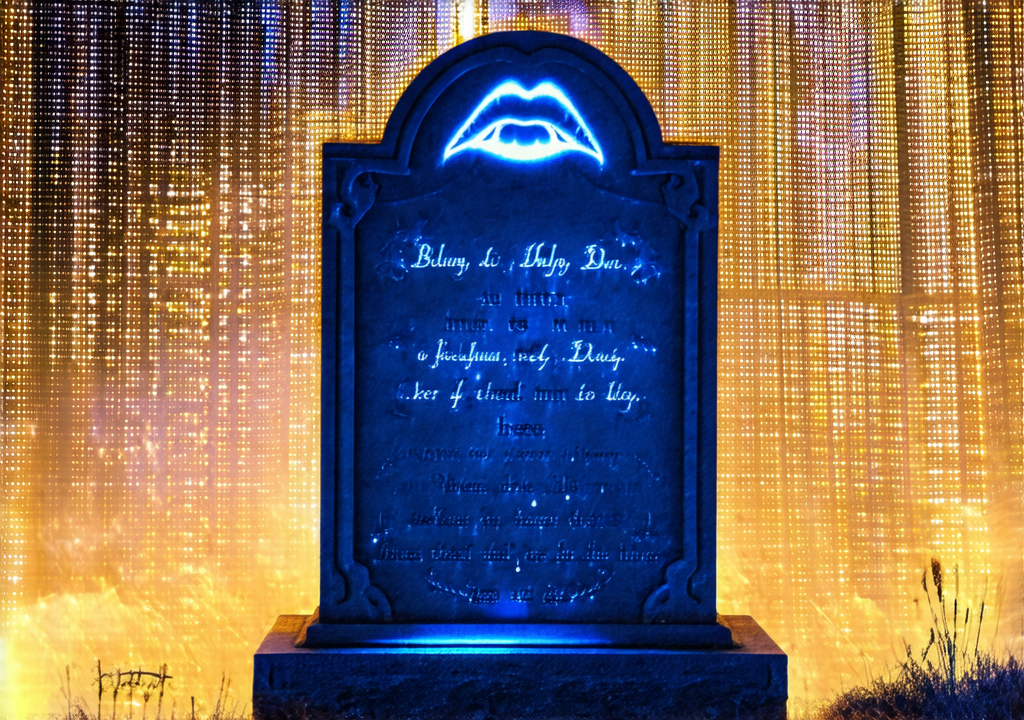
In the quiet hours between midnight and dawn, when the veil between worlds grows thin, there exists a ritual so ancient that its origins predate written language itself: necromancy. Not as the popular imagination depicts it—the crude raising of corpses from graves with crackling lightning—but in its truest form, as a sacred communion between the living and the dead, a bridge built upon incantation, sacrifice, and understanding.
Are You One Spell Away from Hearing Your Ancestors Speak?
To answer this question is to understand necromancy not merely as magic, but as memory itself given voice. The ancients understood something modern scholars have forgotten: that death is not an end so much as a transformation. When the breath leaves the body, when the heartbeat ceases and the eyes grow still, something else stirs—a subtle essence that lingers, waiting for those who know how to listen.
The Nature of Necromancy
Before proceeding further into this exploration, we must first dispel the most persistent misunderstanding: necromancy is not necromancy as commonly practiced by practitioners. It involves more than drawing runes into soil or chanting over graves at midnight. True necromancy engages with what the Saxon seers called dead-memoria—the living memories of those who have passed, preserved in the ether between worlds like seeds waiting for spring.
The earliest texts on necromancy appear in the works of Hypatia of Alexandria (370-415 AD), whose surviving papyri describe techniques for reading ancestral messages through water, mirrors, and specially prepared oils. But even earlier traces can be found in Mesopotamian burial tablets that suggest a continuous oral tradition predating written records by thousands of years.
The Mechanics of Communion
At its heart, necromancy requires three essential elements:
1. Intent — the will to listen, not merely to raise or communicate with spirits as one might raise a marionette’s puppet-string. This distinction between summoning and communion is crucial; most practitioners conflate them, yet they are fundamentally different acts of magic.
2. Preparation — neither elaborate nor complex, but purposeful. A clear space, a candle of beeswax, and the practitioner’s own breath offered as bridge. The preparation does not require rare ingredients or exotic herbs—though such additions can amplify the effect. What matters is sincerity of purpose.
3. Language — whether spoken in tongues old or new, necromancy demands that the practitioner learn to hear beyond speech itself. Many seekers spend years learning to interpret dreams and visions; yet the ancestors often speak directly, their words as clear as any living voice.
Common Techniques
Several methods have proven reliable across traditions:
- The Whispering Bowl: A bowl of still water placed in a darkened room at midnight, with drops of lavender oil added for clarity. The practitioner speaks softly into the surface and waits for responses that manifest not as words but as feeling-images, understood intuitively.
- The Grave-Clothing: Wearing garments once worn by someone who has passed away—preferably one’s own ancestors—during meditation creates a sympathetic resonance strong enough to draw forth messages from beyond death.
- Ancestral Names: Speaking the names of one’s dead with reverence during particular hours (traditionally between 10 PM and midnight) opens channels that most people experience only as faint impressions.
Common Misconceptions
Many believe that necromancy requires death or near-death experiences to achieve effectiveness. This is not so; indeed, some practitioners report greater clarity when approaching the dead from a state of health rather than spiritual preparation. Others assume necromancy demands elaborate rituals and expensive materials—yet the simplest forms have been known since before the first temple was built in Uruk.
Others still suppose that only those with particular bloodlines possess innate ability; this too is mistaken. The gift exists within everyone, though it must be cultivated through deliberate practice over time. What matters most is willingness to listen rather than merely speaking.
Preparing for Your First Experience
For anyone seeking communion with their ancestors, several practical preparations are recommended:
- Create a quiet space free from interruption; silence becomes sacred
- Light a candle before beginning (beeswax works best)
- Speak aloud at least once during the session—silence speaks back only after speech has begun
- Record what you hear afterward while memory is fresh
- Practice regularly rather than attempting one grand ceremony
The Rewards of Listening
Those who commit to regular practice report remarkable experiences: guidance in difficult decisions, confirmation of loved ones’ continued presence, and even specific information about matters that seem impossible for the dead to know. Perhaps most touching are the simple messages from beloved ancestors—words of comfort after loss, reminders of things forgotten, and occasionally the occasional message that arrives precisely when needed most.
Conclusion: The Door Awaits
Necromancy remains one of humanity’s oldest practices yet is also among our newest, for each generation reimagines it anew through its own understanding. The question before us is not whether we should practice but whether we are willing to listen—and perhaps more importantly, whether we believe those who came before have anything worth sharing with those who come after.
Are you one spell away from hearing your ancestors speak?
Dr. Ignatius Blackwood has practiced necromancy for over thirty years and published numerous works on the subject, including “The Living Dead: A Practical Guide” (2019) and “Ancestral Voices: How to Hear What They Say” (2023). He currently resides in Edinburgh where he maintains a private practice with clients from throughout Scotland.


Recent Post

Gallery






Featured Videos




No Comments