


By Dr. Elara Thornfield
Professor of Occult Studies, Cambridge University Press
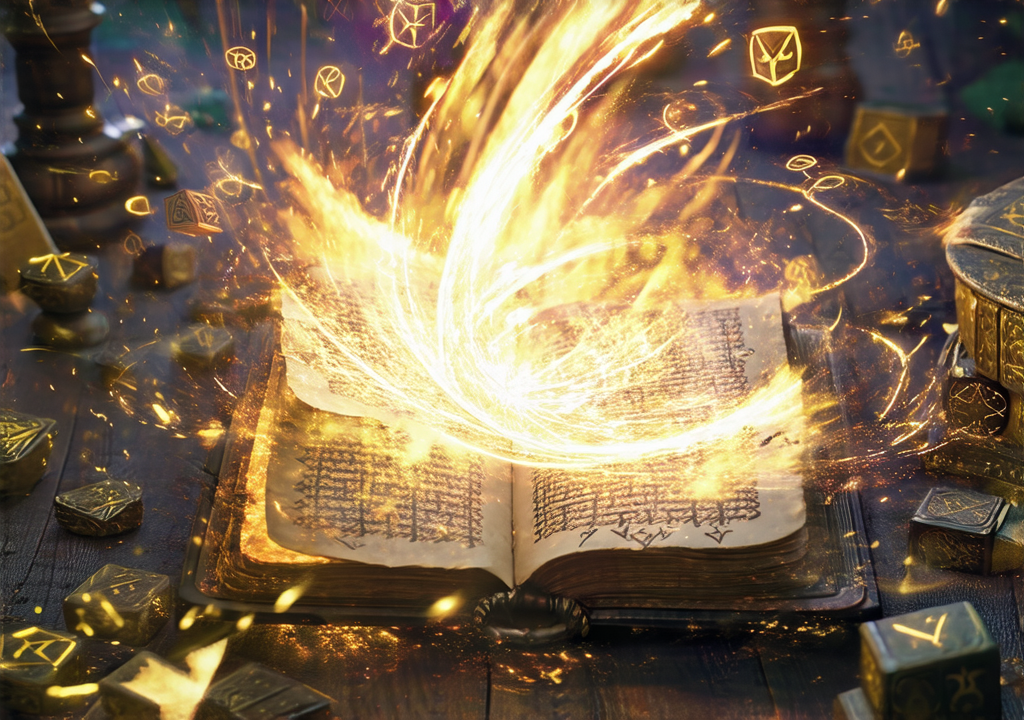
The history of witchcraft is a tapestry woven through millennia of human belief, where curses and hexes have traveled from ancient hearths to modern spellbooks, carrying with them the weight of tradition and the flexibility of interpretation. To understand these malevolent forces is to understand humanity itself—our fears, our desires, our capacity for both kindness and vengeance in equal measure.
Ancient Origins: The Whispering Earth
Long before written records, when humans huddled around fires beneath vast, star-filled skies, the earliest curses took root in human imagination. Archaeologists have discovered clay tablets from Mesopotamia dating back nearly 4,000 years inscribed with cuneiform spells—incantations intended to ward off evil spirits or curse enemies. The Sumerians believed that a spoken word carried power, that certain combinations of syllables could bend reality itself.
When the Hebrew people composed their scriptures, they embedded within those pages some of the most enduring examples of biblical curses and blessings. In Genesis 12:3, God’s promise to Abraham carries both blessing for those who bless him and curse for those who curse him—a divine precedent that would echo through centuries of religious thought.
The Classical World: Greek and Roman Curses
The ancient Greeks developed sophisticated systems of magic, particularly in the realm of binding spells—katadesmoi, inscribed on lead or metal plates and buried beneath buildings or enemies’ graves. A remarkable example survives from Athens, where a curse tablet discovered in 1980 names specific individuals and lists their transgressions: “I hand over to Hekate [the name] for being falsely accused… let them be cursed by the powers of the dead.”
Roman magic was equally intricate. The Ars Magica tradition recognized two types of curses: those that protected (apotropaic) and those that harmed (malefic). The distinction mattered, for in Roman thought, every spell had a purpose and a direction—like an arrow fired across the landscape of human affairs.
Medieval Incantations and the Witch Trials
As Christianity spread through Europe, pagan practices merged with Christian theology, creating a rich syncretism of belief. The medieval period saw the rise of professional sorcerers in court records—from 13th-century England to Renaissance Italy—where the line between healer and witch grew increasingly porous.
The notorious Malleus Maleficarum (the Hammer of Witches), published in 1486 by Heinrich Kramer, established a framework for understanding witches that would endure for centuries. It described witchcraft as a tangible threat to Christian society and provided detailed procedures for identifying and prosecuting witches. The text became foundational to the witch trials that would follow across Europe.
Early Modern Witchcraft: Spells in Action
The early modern period brought us the most famous collections of magical texts, many of which survive today. Malleus Maleficarum was but one example among many; practitioners compiled spell books containing everything from love potions to protective charms against the evil eye. The publication of the English Statutes Against Witchcraft in 1604 reflected growing concern about witchcraft’s role in disrupting social order.
William G. Thomas, in his study of medieval and early modern magic, argued that magical practices during this period were not merely superstitious remnants but sophisticated systems capable of producing real effects on the body and the world around us.
Modern Witchcraft: From Folklore to Practice
The 20th century witnessed a remarkable revival of interest in witchcraft, particularly following Margaret Murray’s influential (though now largely disputed) work suggesting continuity between ancient pagan practices and modern witchcraft. This period saw the emergence of ceremonial magic—the structured practice of invoking divine names, using elaborate rituals, and drawing on Hermetic and Kabbalistic traditions as sources of magical power.
Writers like Gerald Gardner helped define what we now call Wicca, a modern Pagan religion centered around seasonal festivals and ritual practices. But beyond organized religions, countless practitioners developed personal relationships with spirits, deities, and the natural world through spells, talismans, and meditation.
Contemporary Perspectives: Curses in Practice
Today’s witchcraft is as diverse as its practitioners. Wiccan witches use spell jars to hold their intentions—small glass containers filled with herbs, crystals, and written petitions sealed with wax. Hoodoo practitioners draw on African American folk traditions for protective charms and hexes alike, while modern druids continue ancient Celtic customs in gardens and groves across Europe.
What remains constant through all these periods is the basic intuition behind every spell: that intention can shape reality, that words have power, and that certain combinations of symbols, sounds, and materials can influence both the visible world and the invisible forces upon which it depends.
Conclusion: The Continuing Magic
From storybook illustrations to practical spellbooks on modern shelves, from medieval grimoires to contemporary witchcraft communities, curses and hexes remain not mere superstitions but genuine practices with deep historical roots. They remind us that humans have always sought ways to shape their world through intentional action—to protect what they value and to strike against what threatens it.
In an age of scientific explanation and rational skepticism, the persistence of magical practice suggests something fundamental about human nature: our capacity for wonder, our desire to connect with unseen forces, and our belief that our intentions matter—not just in prayer but in spell, charm, and hex.
Whether we choose to believe in magic or not, the stories endure because they tell us who we are and what we value enough to protect through time, through words, through intention and will.


Recent Post


Gallery






Featured Videos







No Comments