


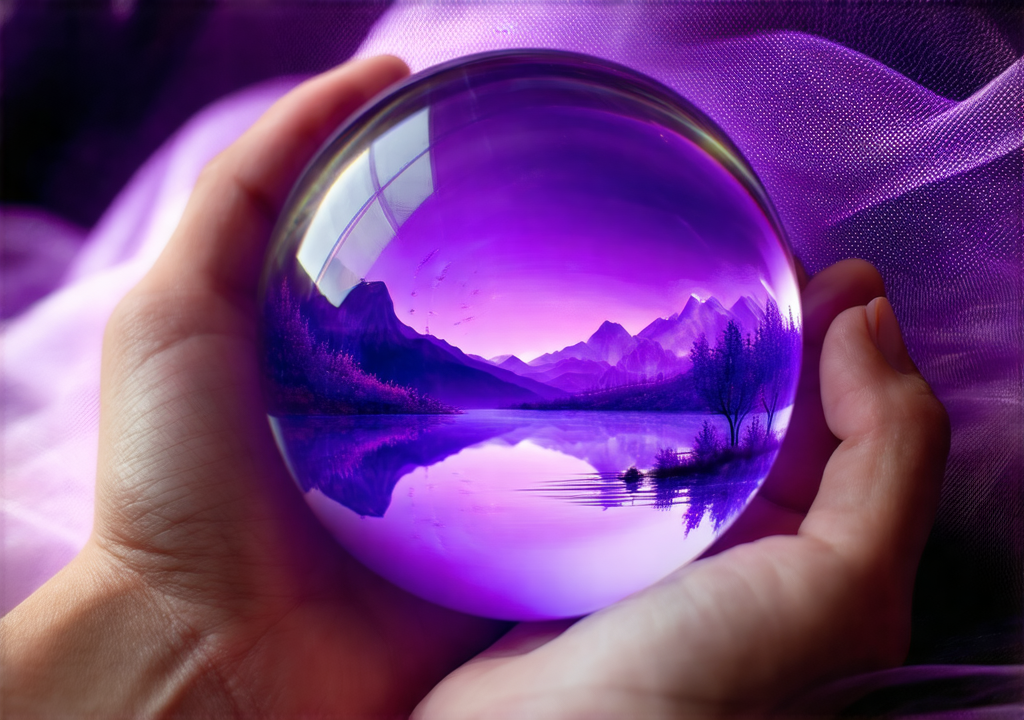
By Euphemia Thornthorne
For centuries, witchcraft has been relegated to the margins of mainstream culture—cast as something reserved for those who dwell in stone cottages, brew potions from forest herbs, and cast long shadows on moonlit nights. Yet beneath this romantic veneage lies a practice of profound depth: ceremonial witchcraft, an ancient discipline that transcends any single tradition and offers timeless wisdom to anyone willing to engage with it mindfully.
The question “Is Witchcraft Just for Witches?” seems straightforward enough. The answer is equally simple. Witchcraft belongs to everyone.
What Is Ceremonial Witchcraft?
At its core, ceremonial witchcraft involves deliberate ritual actions performed according to specific principles and intentions. Unlike casual magic—where one might simply wave a wand and hope for the best—ceremony demands precision: the right timing, the proper materials, meaningful gestures, and focused intent. This is where distinction matters most. A ritual is not merely a performance of ancient forms but an intentional creation of meaning.
When witches speak of ceremony, they refer to a structured way of connecting with forces that shape our lives—forces we cannot see but can feel strongly in the body, emotions, and dreams. These forces include planetary influences, elemental energies, ancestral wisdom, and subtle currents flowing through time itself. To practice ceremonial witchcraft is to participate consciously in these flows rather than remaining passive within them.
Why Ancient Rituals Remain Relevant Today
In an age of digital noise and fragmented attention, ancient rituals offer something rare: presence. The act of lighting a candle, arranging herbs in pattern, or speaking words aloud during ceremony grounds us in our bodies while connecting us with larger patterns beyond ourselves. This grounding effect is not mystical—it’s neurological. Ritual activates the parasympathetic nervous system; it slows breathing and heart rate; it creates space between stimulus and response where choice becomes possible.
Consider what happens when a person lights a candle before beginning their morning ritual. The flame draws attention. The act of placing hands upon earth or stone connects them to physical reality itself. When they speak certain words aloud, whether ancient Latin incantation or simple English intention, they activate symbolic pathways in the brain that strengthen memory and emotional resonance. Ritual is not primitive superstition; it’s sophisticated pattern recognition.
How Witchcraft Works—And Why It Works Now
The particular strength of witchcraft lies in its accessibility while maintaining depth. Anyone can light a candle; few understand how deeply a carefully timed ceremony might transform a difficult season. Consider the seasonal wheels that guide witches through their year: Yule, Imbolc, Ostara, Beltane, Midsummer, Lammas, Mabon, Samhain—each marking transitions where ancient peoples observed changes in nature and understood themselves as part of those great cycles.
In modern life, these seasonal markers become especially valuable. We live against the grain of natural rhythms: artificial light extends our day indefinitely; indoor heating defeats winter’s cooling effect; supermarket produce arrives regardless of season. Witchcraft reminds us that we are not separate from nature but participants in its ongoing story—and this recognition has profound psychological benefits.
The Practical Application of Ancient Wisdom
What makes ceremonial witchcraft particularly useful today? Several factors:
Intentional Living: Ritual creates structure around intention. When one performs a specific ceremony regularly—whether morning meditations, evening gratitude practices, or full-moon invocations—the pattern builds over time into lasting transformation. The body learns to associate certain gestures with particular states of being, eventually making those states more accessible without conscious effort.
Community and Connection: Witchcraft creates communities not through shared belief systems alone but through shared practice. Whether in formal covens or informal circles, participants gather not merely to pray together but to act together—to create meaning through doing rather than mere thinking about it.
Self-Discovery Through Practice: Ceremonial witchcraft offers a mirror for self-knowledge. The rituals provide external form; the inner work reveals what we need most deeply. Many practitioners report that their magical practices became channels for profound personal insight—not mystical revelation but genuine psychological understanding arriving through symbolic channels that speak directly to deeper layers of consciousness.
Embracing Witchcraft as Practice, Not Label
The beauty of ceremonial witchcraft lies in its openness: one need not claim any particular identity to practice it authentically. The rituals are not limited by dogma or doctrine; they are tools for experiencing reality more fully and living more intentionally. They require commitment but welcome participation from anyone willing to engage honestly with both tradition and their own inner knowing.
Whether someone calls themselves a witch or not, the ancient rituals remain available—waiting in candle flames and herb-scented air, waiting for anyone ready to light them.


Recent Post


Gallery






Featured Videos




No Comments