


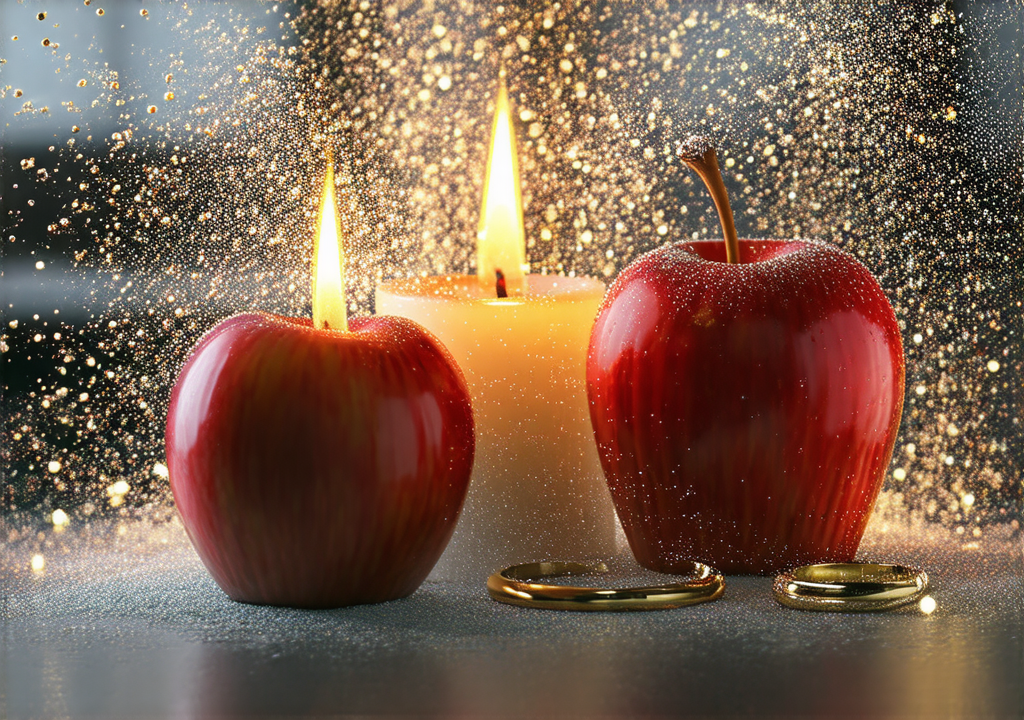
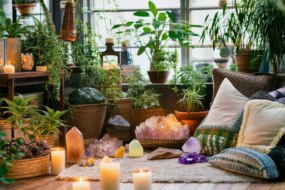
The air fills with lavender smoke as I light a beeswax candle on my altar, placing it beside sprigs of rosemary, crushed rose petals, and a small pile of sea salt. My hands move instinctively over the symbols carved into my desk—the sigil of protection, the crescent moon for intuition, and the pentagram that grounds all intention. Outside, traffic hums along the modern city streets, but inside this quiet room I feel something ancient stirring in my chest. This is ceremonial witchcraft at its most intimate: a personal ritual practiced with deliberate care, bridging centuries of tradition with contemporary life.
I’ve been practicing witchcraft for over two decades now, working within various traditions before settling into what I call “ceremonial witchcraft”—a practice that emphasizes the use of sacred space, precise timing, and focused intention in magical workings. And lately, something remarkable has happened: a growing movement has embraced this path, with practitioners seeking depth amid the surface-level trends of wellness culture. The question isn’t whether ceremonial witchcraft is having a moment; it’s why it’s happening now, and what this resurgence means for those who take it seriously.
The Roots of Ceremonial Witchcraft
What distinguishes ceremonial witchcraft from casual or everyday magical practice is the deliberate use of ritual elements that connect practitioners to a lineage of older traditions. We draw upon the methods of ancient alchemists, medieval grimoire writers, Renaissance magicians, and various folk practitioners who understood magic not as an occasional occurrence but as a structured art requiring specific techniques.
The ceremonial practitioner does not merely cast spells; we prepare for them. Our altars become miniature cosmologies, our candles chosen according to planetary hours, our incense burned in patterns that correspond to the intention at hand. We study the lunar calendar, noting how each phase affects different workings—banishing on waning moons, growth on waxing ones, divination during eclipses and full moons.
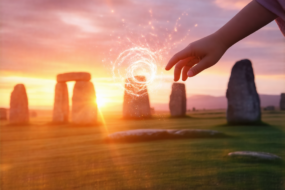
This deliberate approach has roots stretching back thousands of years. Ancient Egyptians used specific herbs and symbols in their healing rituals; medieval European folk healers maintained carefully recorded grimoires detailing the timing and ingredients for different workings; Renaissance magicians like John Dee and Cornelius Agrippa developed elaborate systems connecting magic to astronomy, mathematics, and theology. These practices didn’t disappear—they evolved, adapted, and waited for new audiences to rediscover them.
Why Now?
I often hear people ask why witchcraft seems suddenly popular when it has been practiced continuously throughout human history. The answer lies in what I call the “crisis of meaning”—a condition where modern society, with its emphasis on efficiency and materialism, begins seeking something deeper, more authentic connection to nature and spirit. People are tired of consumer culture’s superficial solutions; they want rituals that match their inner lives.
The digital age paradoxically creates a hunger for the tangible: candles, herbs, handwritten journal entries, hand-drawn symbols. We spend hours staring at screens, and so we turn to practices that involve real sensory experiences—the smell of burning sage, the texture of pressed petals, the visual beauty of an altar arranged with care.
Moreover, modern life offers us unprecedented access to information. Young witches today don’t need to discover their tradition by accident or through oral transmission alone—they can read grimoires online, follow practitioners on social media who share detailed practices, and connect globally with communities that maintain diverse traditions while respecting local variations. This democratization of knowledge has accelerated ceremonial witchcraft’s growth significantly over the past decade.
Practices for Modern Practitioners
At its heart, ceremonial witchcraft remains practical. The witch prepares offerings before traveling—perhaps a simple pouch containing protective herbs and crystals placed beneath their pillow or car mirror. They light specific candles during moonlit meditations to invoke particular energies. They set boundaries using sigils carved on parchment and worn as amulets.
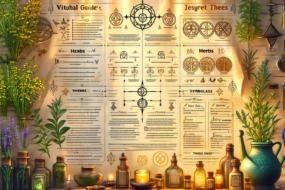
I particularly favor the use of herbal correspondence, where different plants correspond to different planetary influences—moonstone for lunar workings, lavender for calming magic, rosemary for remembrance and protection. These aren’t arbitrary assignments but rather based on centuries of observation and tradition. When I prepare a tea to help me sleep, I add lavender because it corresponds to the Moon’s gentle energies; when seeking clarity during difficult decisions, I use chamomile paired with moonwater charged under a full moon.
The practice also embraces diversity in ways that honor both ancient traditions and contemporary sensibilities. Practitioners draw upon Western hermeticism alongside Eastern spiritual practices like Ayurveda and Chinese medicine. Some incorporate elements of shamanic journeying; others focus primarily on divination systems like tarot, runes, or astrology as central parts of their magical work.
Living Witchcraft in a Modern World
What I find most compelling about this current resurgence is how ceremonial witchcraft adapts rather than rigidly adheres to tradition. The modern witch might use an app to track lunar phases while simultaneously preparing herbal poultices according to traditional recipes. They might read grimoires digitally but practice divination using hand-drawn cards they’ve created themselves.
This flexibility makes ceremonial witchcraft relevant across different lifestyles: Whether a single parent practicing at home, a couple sharing magical duties in their shared household, or someone with full-time job who works magic during brief moments of available time—ceremonial witchcraft meets them where they are rather than demanding adherence to rigid structures that might have suited the medieval period but not contemporary life.
The practices themselves remain accessible without requiring expensive tools or elaborate preparations. A simple candle ritual can be as powerful as a full moon circle; a focused intention whispered while preparing tea connects practitioner and practice in meaningful ways.
Looking Forward
As I look toward the future of ceremonial witchcraft, I see a tradition that continues to grow—not by abandoning its roots but by deepening them through new discoveries and broader participation. The practitioners who will shape this path forward are those who honor both the ancient wisdom we carry and our modern capacity for innovation.
So here I am, pen in hand, candlelight flickering across my journal as I write these words about a tradition that has always been present but is now finally being recognized with the depth it deserves. This isn’t merely passing fashion; this is magic returning to its rightful place—not as something outside ordinary life but as an essential part of living consciously and deliberately within it.
The ancient wisdom continues, evolving through each practitioner’s hands as they light their candles and set their intentions. Modern magic lives on because we need it—needing ritual in our daily lives, needing connection to the natural world even while walking concrete streets, needing practices that remind us we are more than mere consumers of goods but participants in an ongoing dialogue between past and present, spirit and matter, intention and manifestation.


Recent Post

Gallery






Featured Videos




No Comments