


By Elara Moonstone
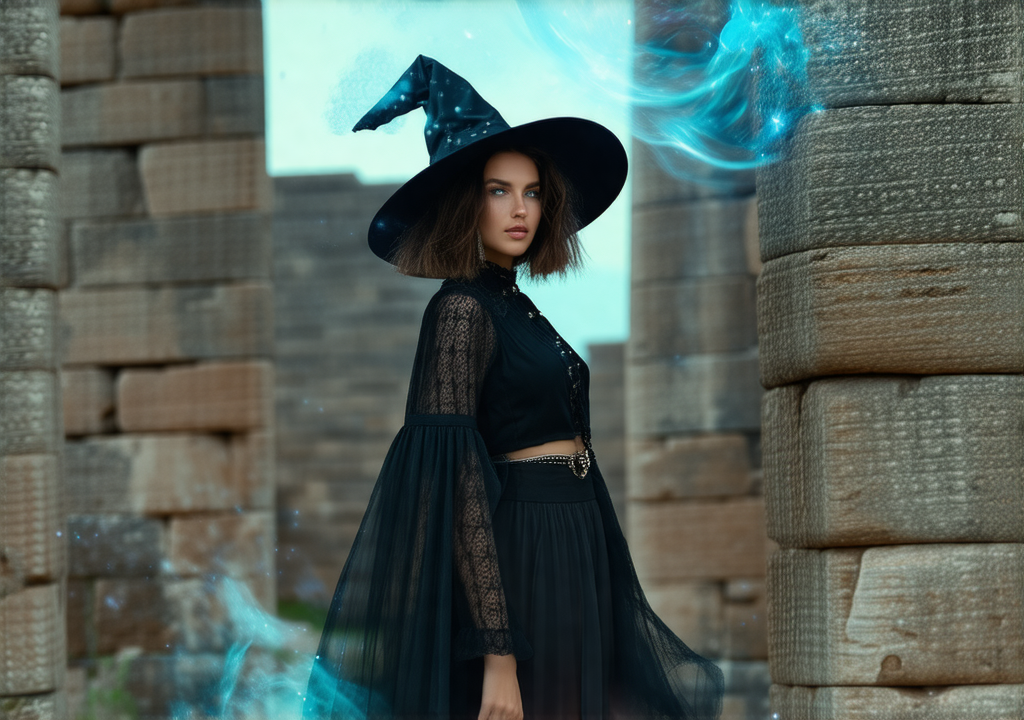
This 2,000-Year-Old Practice Is Having an Unbelievable Comeback — and the evidence is everywhere, from viral TikTok videos showing candlelit altars to the proliferation of witchy aesthetics in popular media. Ceremonial witchcraft, with its roots stretching back through millennia, has quietly been gathering momentum before exploding into modern consciousness.
What Is Ceremonial Witchcraft?
At its core, ceremonial witchcraft is the practice of magic performed within structured rituals and ceremonies. Unlike casual spell-casting or everyday witchery that might involve a quick herb tea or protective charm, ceremonial witchcraft demands intentionality, precision, and ritual form. Think of it as high magic — deliberate, purposeful, and deeply rooted in tradition.
This ancient discipline encompasses everything from the pagan practices of the Druids to the elaborate rituals found in Wicca, as well as the magical traditions preserved through medieval grimoires and modern neo-pagan movements. The practice involves specific tools — wands, cauldrons, athames (ritual knives), pentacles — each chosen for their symbolic and practical significance.
The Historical Roots
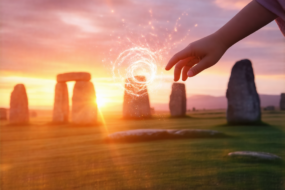
The roots of ceremonial witchcraft trace back to ancient civilizations where magic was not separate from science or religion but woven into the fabric of daily life. Egyptian priests performed complex rituals involving incense, offerings, and precise verbal formulas. Greek mages worked with herbs and celestial alignments. Celtic druids conducted ceremonies beneath oak trees during seasonal festivals.
Perhaps most remarkably, much of this tradition survived through centuries of religious upheaval — from the early Christian persecutions that drove many witch practitioners underground to the witch trials of Europe and America. Rather than dying out entirely, these practices adapted, hidden in folk traditions and passed down through oral transmission before finding their way into written form once again.
Why Now? The Modern Resurgence
Several factors have contributed to this remarkable revival of ceremonial witchcraft:
The Search for Meaning: In an increasingly secular world where traditional religions no longer hold universal sway, people are seeking deeper connections with the natural world and ancient wisdom. Ceremonial witchcraft offers a framework that bridges science and spirituality, offering rituals that feel both timeless and personally meaningful.
Digital Accessibility: Social media platforms have democratized knowledge about witchcraft in ways never before possible. YouTube tutorials on candle magic, Instagram grids featuring altar designs, and online communities sharing grimoires and recipes have created an unprecedented influx of practitioners. The hashtag #witchtok alone has billions of views, creating a digital marketplace where ancient practices meet modern aesthetics.
The Rise of Personalization: Modern witchcraft allows individuals to create personalized rituals that fit their unique lives and beliefs. Unlike rigid religious structures, ceremonial witchcraft is accessible to anyone willing to learn — whether someone chooses to follow Wiccan paths, Druid traditions, or forge entirely new ceremonies combining elements from multiple sources.
The Cultural Moment: We live in an era where everything old becomes new again — vintage fashion, retro music, classic literature. Witchcraft fits neatly into this pattern of revival, with many practitioners finding that ancient practices feel refreshingly modern when practiced authentically.
Modern Practices and Their Appeal
Modern ceremonial witchcraft encompasses a wide range of practices:
- Sabbats and Esbats: Seasonal celebrations aligning with solar events (solstices, equinoxes) and lunar cycles
- Spellwork: Purposeful casting using herbs, crystals, and other materials within ritual contexts
- Divination: Practices like tarot reading, rune work, scrying, and pendulum divination
- Elemental magic: Working with earth, water, air, fire, and spirit in ceremonial settings
Each practice carries its own history while remaining open to modern interpretation. A contemporary witch might create a ceremony that combines elements from Celtic traditions, Egyptian symbolism, and personal intentions — all within a single gathering.
The Cultural Impact
What’s remarkable about this resurgence is not just the number of practitioners but their diversity. Ceremonial witchcraft now includes:
- Young people seeking alternative spiritual paths
- Professionals using magic as part of mindfulness practices
- Artists and writers drawing inspiration from traditional witch lore
- Communities finding connection through shared ritual practices
The practice has even influenced mainstream culture — from Netflix shows to fashion collections, the “witchy” aesthetic appears everywhere, making ceremonial witchcraft feel both ancient and contemporary.
Looking Ahead
As we move forward, ceremonial witchcraft seems poised for continued growth. With each generation rediscovering these traditions, new practitioners bringing fresh perspectives while honoring ancient wisdom. The practice that survived persecution, cultural shifts, and technological upheaval is experiencing a remarkable renaissance — one where the old ways meet modern life in unexpected and meaningful ways.
The magic hasn’t faded; it’s merely been waiting patiently for us to rediscover its power.


Recent Post
Gallery






Featured Videos




No Comments