


By Elara Vessington
There’s a peculiar phenomenon we observe in the witchcraft community, one that tends to recur regardless of era or setting: novices often mistake folk magic for something simpler than it truly is. They pick up what they think are basic spells from old books and popular blogs, practice them diligently, and then feel cheated when their results don’t quite match the expectations set by the aesthetic trappings of the tradition.
What these beginners fail to grasp—and what the old practitioners rarely mention until too late—is that folk magic is not the layover spellwork it appears to be. It’s actually a sophisticated system of correspondence and subtle energy manipulation, often more powerful than ceremonial high magic despite its humble exterior. The difference between success and failure in folk practice lies less in memorizing complex formulas than in understanding what makes these methods so effective when applied correctly.
The Hidden Architecture Beneath Folk Magic
Folk magic operates through principles that differ markedly from those of ceremonial forms. Where grand rituals rely on precise geometry, specific invocations, and elaborate symbolic apparatus, folk magic tends toward simplicity and directness. It works with the materials at hand—whether that’s kitchen herbs, found objects, or household items—and channels energy through intention rather than through complex ritual structures.
The practitioners of old understood this distinction well. A folk healer might not have known Latin incantations or used elaborate pentacles in their work, but they understood how to read the subtle signs and connect with the forces at work around them. They knew that a handful of rosemary, properly prepared and infused with intention, could accomplish as much as an hour-long ceremony performed by someone who had memorized every detail correctly.
Why Folk Magic Gets Underestimated
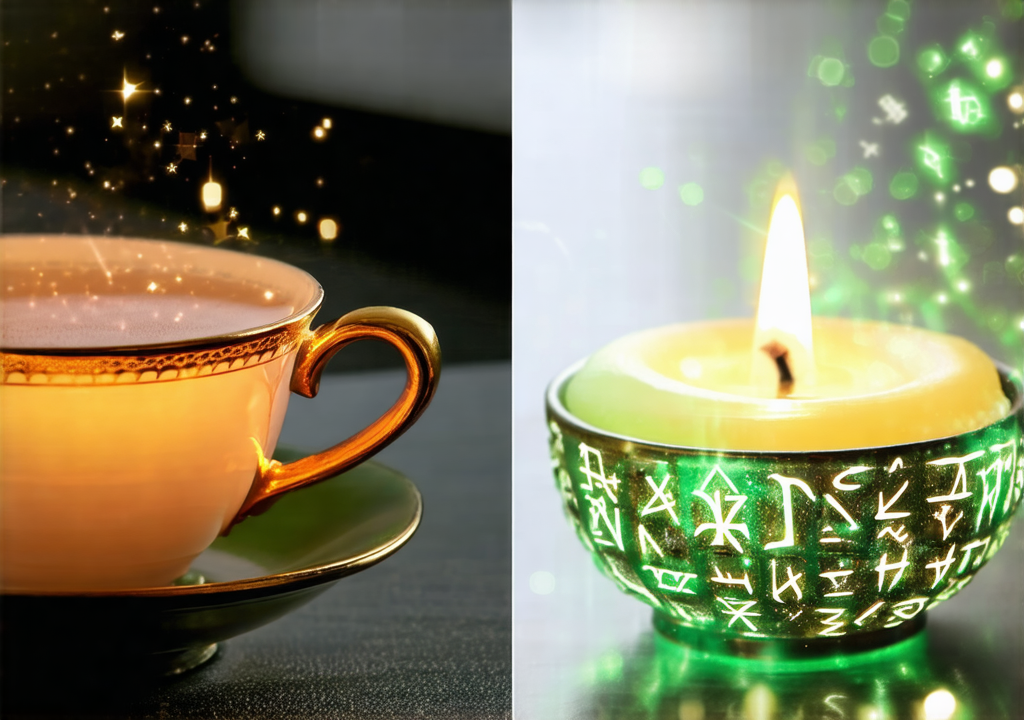
Consider what happens when beginners encounter folk magic for the first time: they see its simplicity and assume it lacks depth. They watch a practitioner prepare tea from dried herbs, sing softly over it while stirring counterclockwise, then drink it while visualizing healing energy entering their body—and they think, “Is that all?” And technically, yes, it is. That is the method. But what they’re missing is the precision of intention behind each element, the careful alignment of timing and purpose, and the understanding that folk magic works through different channels than those we typically associate with dramatic magical performance.
The real art lies in learning to read between these lines—the subtle knowledge that separates practitioners who have mastered folk magic from those who merely follow recipes without understanding what they’re doing.
The Secret Knowledge Passed Down Through Generations
What’s rarely told to beginners is how much the old folk traditions contain within their seemingly simple practices. A recipe for a protection spell might call for three herbs and specific instructions on when to gather them, but those same practitioners knew which herbs were most effective based on moon phase, seasonal timing, and even the temperature of the air during collection. They understood that folk magic doesn’t require elaborate equipment or expensive materials—it requires attention to detail in how you prepare your tools and set your intention.
Practical Wisdom for Beginners Entering Folk Magic
For those beginning their journey into folk magic, I offer this guidance: Approach each practice not as a recipe but as an invitation to discover what works within your own experience. Pay close attention to the results of your work—not just whether you felt something during the ritual but also what happened afterward. Did your intention manifest in ways that aligned with your purpose? Were there unexpected signs or coincidences confirming your work? These are the indicators that matter most, far more than any elaborate ceremonial setup.
Learn to trust your own experiences over dogma. The old practitioners didn’t always know why certain practices worked—they knew that they worked and passed them down accordingly. Don’t feel pressured to understand everything before beginning; begin with intention, observe results, adjust, and continue learning through doing.
Conclusion
The truth about folk magic is that it’s both simpler than most beginners expect—and more complex than they realize when they approach it properly. It doesn’t require extensive knowledge of ancient languages or elaborate apparatus. What it requires is an open mind, willingness to learn from tradition while respecting individual experience, and the patience to discover for yourself what works within your own practice.
Begin with intention, observe results carefully, and let the practice teach you as much as you teach it. The old practitioners would have told you this: magic isn’t about doing everything correctly—it’s about understanding how to work with what’s around you in ways that resonate with deeper currents of energy. Once you learn this truth, folk magic reveals itself not as beginner magic at all—but as the most accessible form of true witchcraft.
Elara Vessington has practiced ceremonial and folk magic for over two decades. She writes regularly on traditional methods, herbal lore, and the hidden connections between different magical traditions.


Recent Post



Gallery






Featured Videos







No Comments