


By Althea Thornfield
There is something profoundly anchoring about the rituals that have survived through centuries of change, persecution, and transformation. From the smoldering resins of ancient Greek pyres to the quiet candlelit corners of modern witch’s cottages, certain practices have endured because they connect practitioners to a living lineage of wisdom—wisdom that has been refined by time itself rather than invented in isolation.
1. The Circle Casting Ritual
The casting of a circle is perhaps the most recognizable of all magical practices, yet its origins stretch back millennia. Ancient Greek magicians would draw circles around their altars while invoking divine protection; Roman priests performed sacred dances within marked boundaries during solstice celebrations; early Christian mystics traced protective circles in chalk and salt around their dwellings against malevolent forces.
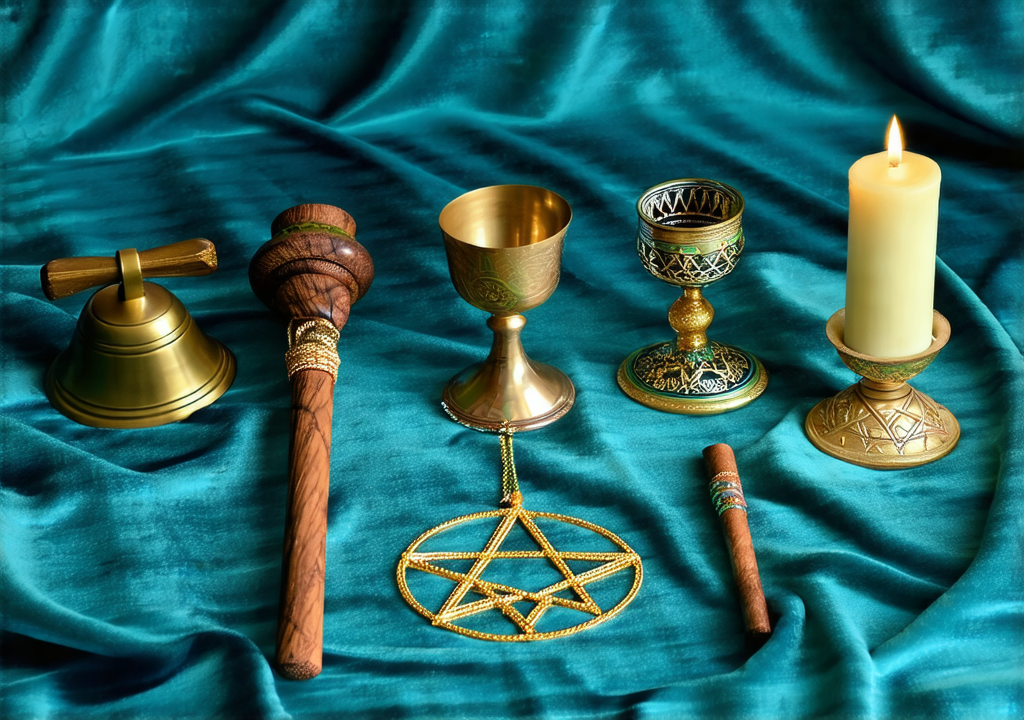
The modern practice involves marking a circle of protection—often with salt, stones, or chalk—and then calling upon the elemental powers to strengthen it. A skilled witch will use incense, spoken invocations, and sometimes specific tools such as a wand or athame to trace the boundary between ordinary space and sacred ground. The ritual is not merely about creating boundaries; it is about establishing a vessel in which magic can safely work.
2. Candle Magick
Candle magic dates back to ancient Egypt, where priests would burn specially prepared candles during temple ceremonies. By medieval times, this practice had evolved into a sophisticated art form across European traditions, with each candle representing different planetary influences and purposes.
The ritual involves selecting candles of specific colors corresponding to the desired outcome—white for purity and general workings, red for love and passion, green for prosperity and growth—and then anointing them with oils while reciting intention-focused prayers or incantations. The burning candle becomes a vessel through which intentions rise toward the heavens on currents of smoke and flame. Many practitioners keep dedicated candles in their ritual kits and light them during meditation, spell-casting, and daily magical work.
3. Herbal Incense Burning
The practice of burning herbs to purify spaces dates back to ancient Egyptian temples, where frankincense was burned before the gods as an offering—and so much more—creating a fragrant barrier against malevolent spirits. Early witchcraft traditions expanded on this practice, using specific herb combinations for different purposes: rue for protection, lavender for purification and sleep, sage for cleansing, and rosemary for remembrance.
In traditional settings, practitioners would burn these herbs over charcoal in iron bowls or ceramic incense holders, often while walking around their dwelling to purify each room. This ritual is believed to clear stagnant energy, invite divine presence, and create a sacred atmosphere conducive to magical work. Many modern witches continue this practice during meditation, before working with candles or crystals, and even as part of daily life—lighting incense in corners where negative energy tends to accumulate.
4. Herbal Potions and Tinctures
The art of brewing herbal potions has been practiced since the earliest recorded healers of Mesopotamia prepared elixirs from plants they called “roots of power.” In medieval Europe, apothecaries became central figures in communities across England and beyond—where a skilled apothecary could prepare tinctures for everything from melancholy to magical visions.
In witchcraft traditions, potions are carefully measured combinations of herbs, oils, and sometimes minerals that serve specific purposes: protection, healing, divination, or transformation. The brewing process itself is ritualistic—the ingredients must be prepared according to lunar phase (often under a waxing moon for growth-related work), with the appropriate incantations spoken over them as they steep in wine or water. Potions are then stored in glass vessels and used according to need.
5. The Moon Cycle Tracking Ritual
The connection between witchcraft and lunar cycles is ancient and enduring. Greek priests conducted their ceremonies under different moon phases; medieval Europeans timed planting, harvesting, and magical work according to the moon’s course through zodiac signs; early American witches observed that certain magick worked best when performed during specific moonlit hours.
This tradition involves tracking not only the four major lunar phases—new moon, full moon, waxing, waning—but also the moon’s journey through zodiacal signs and its monthly positions within various constellations. Many practitioners observe this cycle daily by journaling about what they feel is happening in their own lives during each phase; some perform specific rituals under the new moon for intentions, others during full moons for culmination and release. This practice has become increasingly popular in recent decades as a way to root magical work into natural rhythms.
Conclusion: Why These Rituals Endure
What makes these five practices so enduring is that they are not merely mechanical—each carries within it the wisdom of countless practitioners who have refined them over centuries. They connect us, across time and space, to those same practitioners who walked ancient groves and lit candles in stone temples—those ancestors whose hands once held our tools, whose eyes looked up at stars we now know as constellations, whose words were spoken in tongues but understood by the soul even when forgotten by history.
The next time you light a candle or burn some herbs, you may wish to remember: you are participating in rituals older than most written records—rituals that have survived through plagues and persecutions, across continents and centuries.


Recent Post

Gallery






Featured Videos




No Comments