


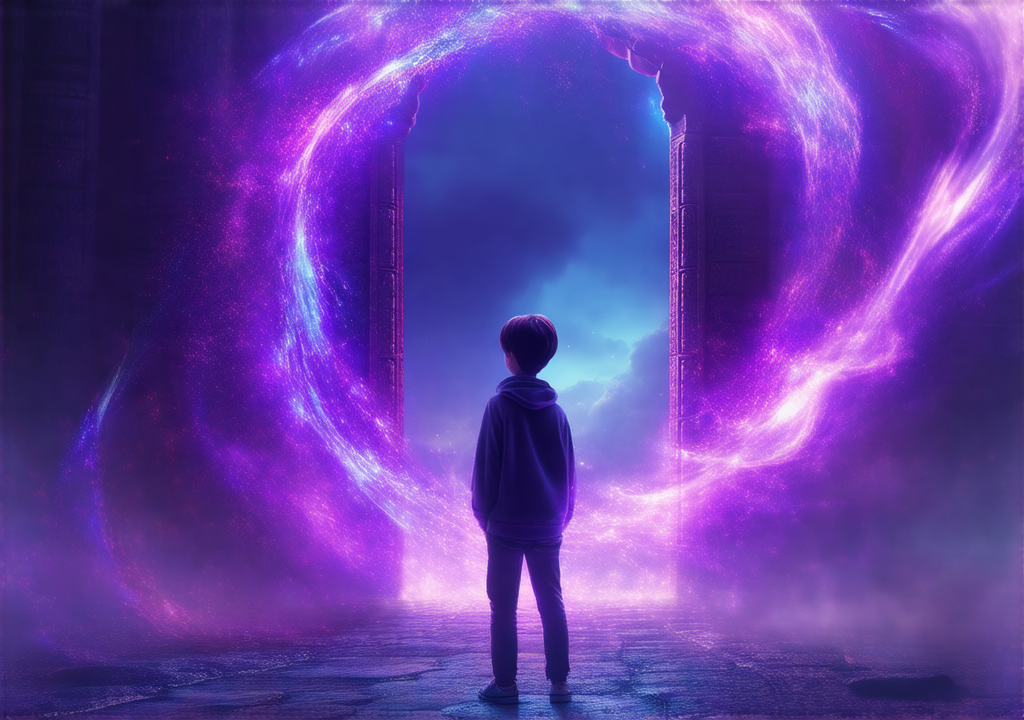
Ceremonial witchcraft is an ancient art form that bridges the gap between mundane reality and the unseen realms of spirit, symbol, and divine will. Unlike folk magic—which often relies on intuition and simple household practices—ceremonial witchcraft demands intentionality, structure, and a deep respect for tradition. It is the magic of ritual: where every gesture, word, and object carries meaning, and where the practitioner weaves their desires into the fabric of existence through deliberate action.
At its heart, ceremonial witchcraft is about transformation. When you perform a ceremony, whether it be casting a circle or invoking an elemental spirit, you are participating in something far greater than yourself. You become both participant and conduit, channeling forces that have existed since before memory into forms that can affect change in the physical world. The word “ceremony” itself derives from the Latin cæmonia, meaning “ritual observance,” which speaks to its roots in sacred practice rather than mere habit or tradition.
The Foundations of Ceremonial Witchcraft
Any serious student of this craft must first understand its foundational elements: the four classical elements, the principles of correspondences, and the art of ritual preparation.
The elemental framework—earth, air, fire, and water—serves as the bedrock upon which ceremonies are built. Each element carries specific qualities that can be invoked, balanced, or directed according to the purpose of the working. Earth provides stability and grounding; air brings clarity and communication; fire offers transformation and purification; water delivers emotion and intuition. Many practitioners also incorporate a fifth element—spirit or quintessence—that acts as the binding force between them all.
Correspondences are the language through which ceremonies speak to one another. Every object, color, incense, gemstone, and direction carries specific associations that can amplify or modify the effects of a working. For instance, rosemary and lavender purify; cinnamon and orange enhance prosperity; white candles invoke purity and new beginnings. Understanding these correspondences is what transforms a simple ritual into something potent and precise.
The Ritual Space: Where Magic Takes Form
Before any ceremonial witchcraft can begin, the space must be prepared. This begins with casting the circle—a protective boundary that separates the sacred from the profane. Some practitioners use physical materials such as chalk or salt; others rely on visualization alone. What matters is not the method but the intent behind it. A well-circled space becomes a microcosm, a temporary sanctuary where the practitioner can work with focused power.
Altars serve as focal points for ceremonial work. They need not be elaborate—indeed, many traditional witchcraft practitioners prefer simplicity—but they should reflect the practitioner’s intentions and carry objects of personal significance. The altar is where earth meets heaven, where material offerings meet spiritual aspirations. On it you might place a chalice for water, a athame or wand for fire, an incense burner for air, and a cauldron for earth—all arranged according to the directions they represent.
The Practice of Ritual
Ritual itself is not mere repetition but rather a living art that deepens with practice. Each ceremony you perform builds upon those before it; each experience adds layers of meaning and power. Ceremonial witchcraft does not require years of study to begin, nor does it demand mastery before participation. What matters most is sincerity, focus, and willingness to learn through doing.
Practitioners often follow structured formats when performing ceremonies: opening the circle, invoking directions or spirits, presenting offerings, declaring intentions, closing with gratitude. But there are no absolutes—some practitioners prefer open-ended meditation over rigid formulas; others find comfort in familiar structure amidst chaos. The choice belongs to you alone.
Working With Spirits and Forces
Ceremonial witchcraft frequently involves communication with spirits: ancestral guides, elemental beings, planetary energies, or deities from various traditions. Whether you view these entities as literal spirits or psychological archetypes depends on personal belief; what matters is the relationship established during ceremony. Invocations can take many forms—from simple prayers to elaborate invocations calling upon specific divine names and attributes.
Some practitioners work exclusively with one deity tradition; others blend multiple pantheons according to their needs. The important thing is not which spirits you work with but how deeply you understand them, what relationship you establish with each, and whether your practice feels genuine rather than performative.
Getting Started: Why Beginners Belong Here
Many assume that ceremonial witchcraft requires years of study or expensive materials—but this simply isn’t true. What matters is beginning where you are, using what you have, and committing to the path of growth through deliberate action. A simple candle ceremony performed with genuine intention can be more powerful than an elaborate one performed mechanically. Begin with gratitude for what exists around you; begin with curiosity about what lies beyond; begin by honoring each day as itself a small ceremony in its own right.
Unleash the magic within yourself, and watch as daily life becomes increasingly enchanted.


Recent Post


Gallery






Featured Videos




No Comments