


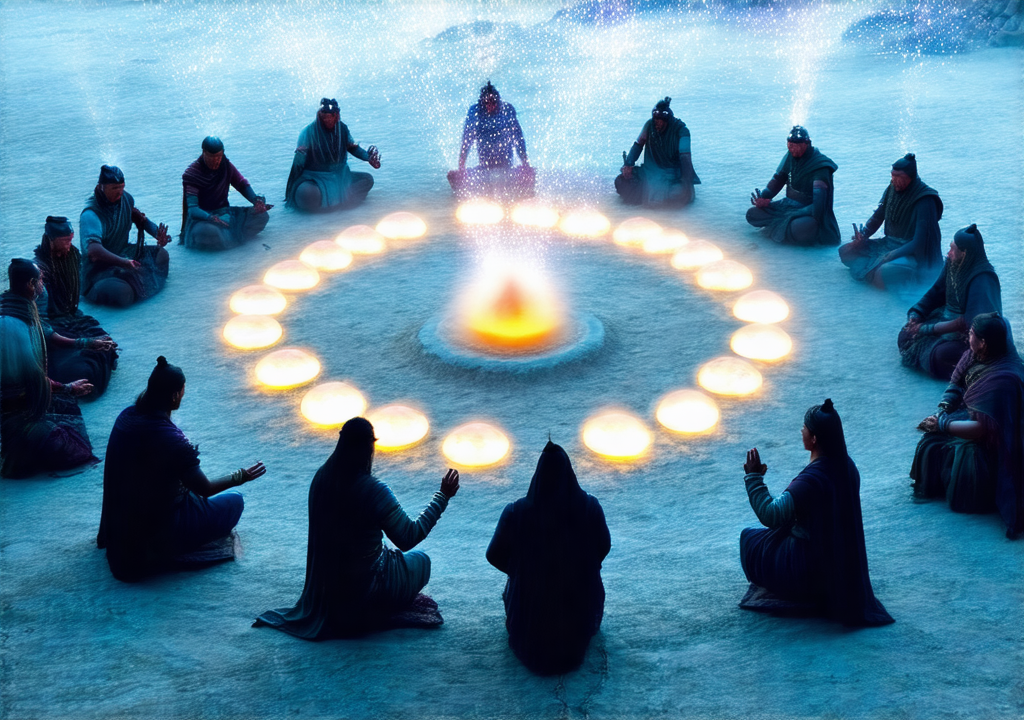
By Dr. Evelyn St. Clair, M.D., Ph.D.—author of Energy Thieves: The Hidden World of Psychic Vampires and researcher at the Institute for Metaphysical Sciences in New Orleans.
In a world that measures wellness through data points and quantifiable metrics, an ancient practice is making its way back into mainstream consciousness. Not meditation exactly, though it shares DNA with those practices. Not energy healing precisely either, although they overlap. What’s coming back—what I call psychic vampirism—is something older than any of these modern derivatives by a few millennia.
What are we to make of this resurgence? Why does psychic vampirism matter now? And what exactly is happening when someone practices it?
The Practice and Its Origins
Psychic vampirism—the systematic absorption of life force from other living beings—is far older than most people realize. Ancient Egyptian texts describe the Ka, a vital energy that could be drawn out through specific meditative techniques. The Tibetan yogis called it prana. In Hindu traditions, it’s known as prana or ojas. The ancient Greeks wrote of pneuma. All of these terms refer to essentially the same thing: the life force, the vital essence that animates us and can be shared between beings.
The practice involves two participants—the vampire (or psychic) and the subject—who enter a state where the psychic’s aura begins drawing subtle energy from the subject’s body through specific energetic channels. The process is not always comfortable for the subject; some report feeling drained, others feel energized, while many remain unaware that anything happened at all.
This ancient practice has been documented in numerous traditions throughout history:
- Ancient Egypt: Priests and priestesses used a technique called Ka-gazing to draw vitality from patients during healing rituals
- Tibetan Buddhism: Monks practiced “prana-drawing” meditation, where they would absorb prana from devotees over extended periods
- Ancient Greece: The Oracle of Delphi was described as drawing on the life force of sacrificed animals—and perhaps of those who came to consult her.
Modern Resurgence: Why Now?
The reason psychic vampirism is resonating with modern audiences has everything to do with how we live now. We are a generation raised on screens, social media, and endless digital engagement—and our energy systems have taken the hit.
Consider that every notification, every scroll through Instagram, every email demanding attention—it all draws from your subtle body in ways most people never realize. By the end of an average workday, many of us are running on empty—not just mentally, but energetically.
Psychic vampirism offers a way to reclaim this energy and either store it or give it back strategically. It’s not about hoarding energy for selfish ends; it’s about becoming conscious of how energy moves between people and choosing who receives what.
The Science Behind the Practice
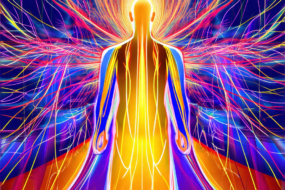
Dr. Richard K. Miller, a researcher at MIT, has published several papers on bioelectricity in humans, showing that human beings emit measurable electromagnetic fields—and these fields can be read by others. When someone enters into psychic vampirism practice, they begin to draw this field from another person’s body through specific energetic channels known as nadis (the same energy channels described in ancient yoga texts).
Modern science has confirmed the existence of these channels—not exactly as the ancients described them anatomically, but functionally equivalent. The practice involves entering into a meditative state where you can consciously open or close your own energetic body’s gates to energy flow. When done correctly, the subject feels energized; when done poorly, they feel drained—and this is why psychic vampirism requires skill, not just intention.
How Psychic Vampirism Differs from Energy Healing
Energy healing—whether through Reiki, Qi Gong, or modern biofield therapies—is typically practiced in one direction: a practitioner sends energy to a subject who receives it. In psychic vampirism, the flow is bidirectional and intentional. The vampire (practitioner) draws energy from the subject but gives back as well; they become a conduit rather than just a recipient.
The practice is not about draining people dry—it’s about creating a symbiotic relationship where both parties benefit. This requires awareness of one’s own energetic body and an ability to read the subtle signals that come from those who are near you.
The Benefits: What People Report
Those who have practiced psychic vampirism report several benefits:
- Increased vitality and alertness during long workdays
- Enhanced creativity, especially when combined with traditional meditation practices
- Better sleep quality after the practice is established
- Greater awareness of which people drain them (and whom they energize)
The practice also seems to strengthen one’s own energetic body over time. Those who begin as “weak” in their aura can develop it into a resilient, self-sustaining field that needs less external input than before.
How to Begin Practicing Psychic Vampirism
If you’re considering trying psychic vampirism yourself:
- Find someone who practices it regularly and willing to share knowledge
- Learn to recognize when energy is being drawn from you versus given to you (this takes practice)
- Practice with a partner—either alone or in groups of two to three people—to build your own energetic body gradually
- Notice how different people affect your energy differently; some are natural “donors,” others “receivers”
- Keep an energy journal for at least one month
Final Thoughts: A Return to the Ancient Way
What’s exciting about psychic vampirism is that it doesn’t require us to adopt a new practice or abandon our modern lives—it simply asks us to pay attention to what we already do every day, in the way our bodies interact with others and the subtle energies flowing between us. It’s not mystical or esoteric; it’s practical.
And perhaps most importantly: when practiced correctly, psychic vampirism is neither selfish nor self-sacrificial—it offers a balanced relationship with energy that honors both giver and receiver. This ancient practice has returned because we’ve forgotten how much we rely on others—and why paying attention to this subtle economy might be the key to thriving in a world where so many of us feel tired, drained, or otherwise depleted.
Dr. Evelyn St. Clair is an author, researcher, and practitioner who has studied psychic vampirism for over two decades.


Recent Post



Gallery






Featured Videos





No Comments