


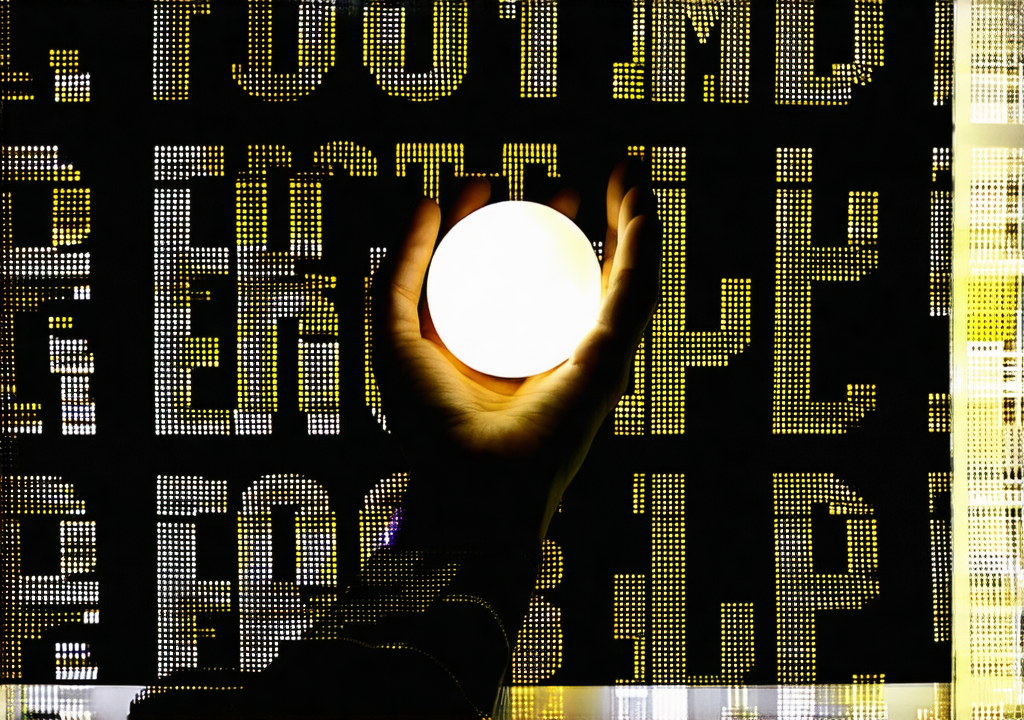
By an authority on Magical Chaos Magic
For centuries, practitioners of magic have debated whether spells work because of precise ritual form or because of genuine enchantment flowing through the practitioner’s will. Chaos magic offers a resounding answer to this ancient question: both are true, and neither is necessary. What matters most is belief itself. The act of believing in something so fully that it becomes real within your perception — this is where modern magic finds its power.
The foundational insight of chaos magic is that belief functions as a bridge between the internal world of thought and the external world of effect. When you believe a spell works, the spell works. When you believe a sigil will manifest before you, it does. When you believe in a deity during invocation, that deity appears to be present, and for all practical purposes, it is present — because presence is ultimately defined by recognition and relationship rather than metaphysical absolutism.
This may sound like simple optimism, but chaos magic goes much deeper. It suggests that the entire framework of magic consists of cultural constructs we agree upon, internalize, and then manipulate through intentional use. A sigil is meaningless ink on paper until someone believes it carries power. Once they do, it is powerful, because belief transforms meaning into action.
Chaos magicians approach magic with a pragmatic curiosity. They ask not whether certain practices are “true” in some absolute sense, but whether they work when employed correctly. This is why chaos magicians freely adopt practices from vastly different traditions — one moment invoking Jesus, the next calling upon Egyptian deities or summoning spirits through computer code. Each practice carries no inherent hierarchy; each carries whatever belief you bring to it.
The discipline of chaos magic reveals something profound about human consciousness: we are constantly building and inhabiting worlds made of our own making. When a shaman dances into trance, they enter a world of spirits just as real as the waking one — not because spirits objectively exist outside perception, but because belief constructs that reality so completely that it operates within its own logic.
Consider modern examples: when millions of people believe in money, paper becomes valuable. When thousands believe in specific deities across different cultures, those deities respond and act through prayer. When someone believes they are protected by magic during a storm or illness, their body responds differently than if they were merely waiting passively to see what happens. Belief shapes reality in ways we’re only beginning to understand.
Chaos magicians don’t worship any single tradition. Instead, they treat belief itself as the instrument of magic — like a key that opens multiple doors rather than just one lock. They know when to commit fully to a practice and when to hold it lightly, testing new methods with playful experimentation while discarding those that don’t serve them.
The most powerful practitioners understand something crucial: that any belief can be adopted, held, or set aside at will. You don’t need to permanently believe in a deity’s existence — you only need to suspend disbelief just long enough during invocation for the connection to form. Afterward, you may remain skeptical and still reap the benefits of having performed the ritual correctly.
Modern chaos magic has been particularly influenced by chaos theory itself, which demonstrates how small actions can produce large effects through complex systems. This mirrors magical practice: a brief meditative gesture (the “small action”) combined with focused intent (the “internal force”) produces an outcome far greater than what either alone could achieve.
Chaos magicians celebrate this fact — that magic works precisely because it is not always consistent, and because its results depend on context more than any external law might suggest. What works for one person may fail for another; what fails today may succeed tomorrow when applied with different intention or different belief structure. The practitioner learns to trust their own intuition while remaining open to new methods constantly developing.
The beauty of chaos magic lies in its democratizing spirit: no one is required to accept any particular cosmology, deity, or magical system as absolute truth. Instead, the practice asks only that you bring your full presence and genuine belief to whatever you choose to engage with. Your beliefs shape reality — so choose them wisely and playfully, commit fully when needed, let go gracefully when not, and watch what unfolds before you.
Belief is indeed the new magic — not because it replaces all other methods but because it transforms how we use every method available. When you believe in something, it becomes real to you; when you believe it truly enough, it becomes real for others who share that belief — and reality itself bends accordingly.


Recent Post



Gallery






Featured Videos







No Comments